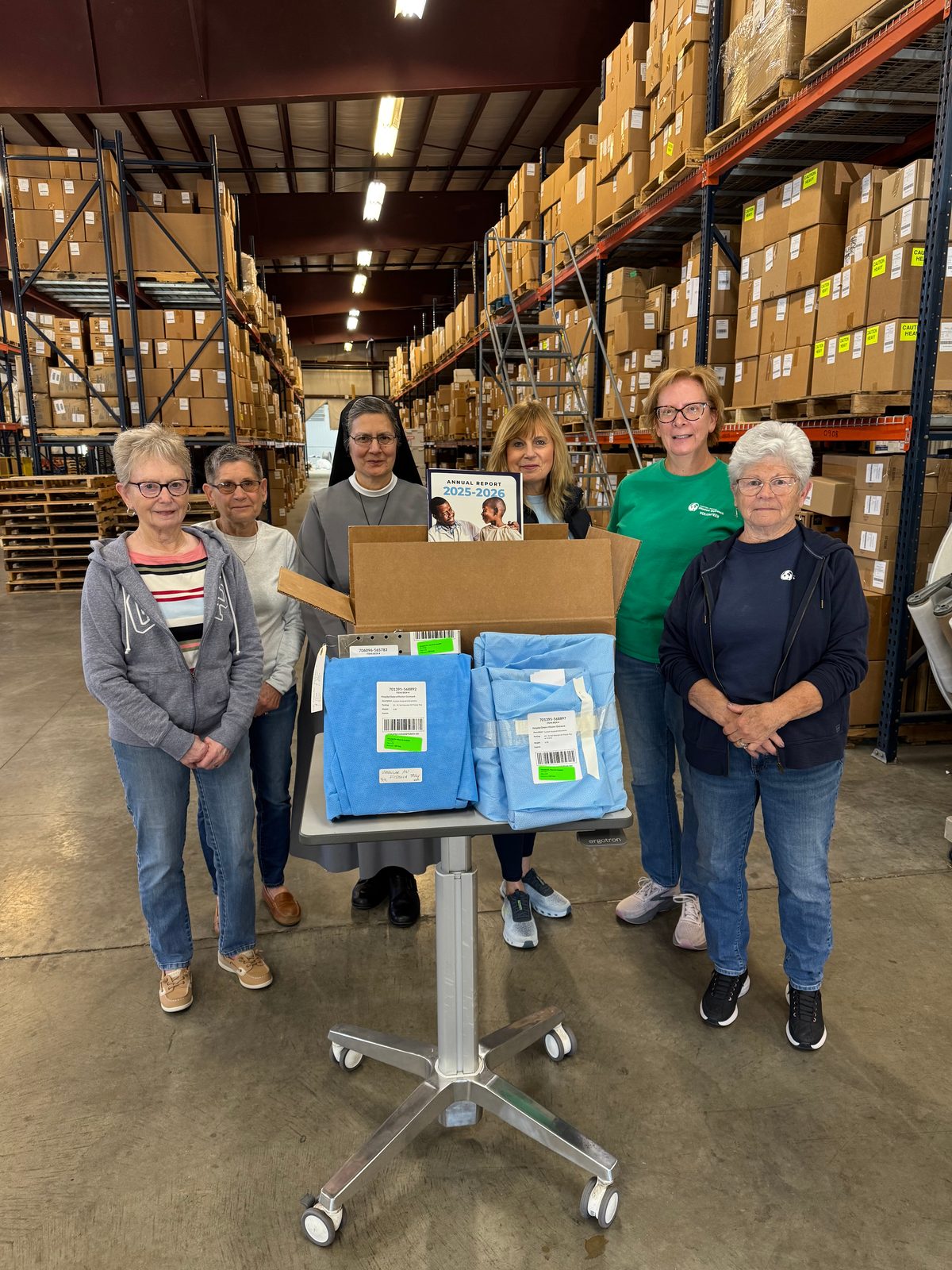
Mission · 2026
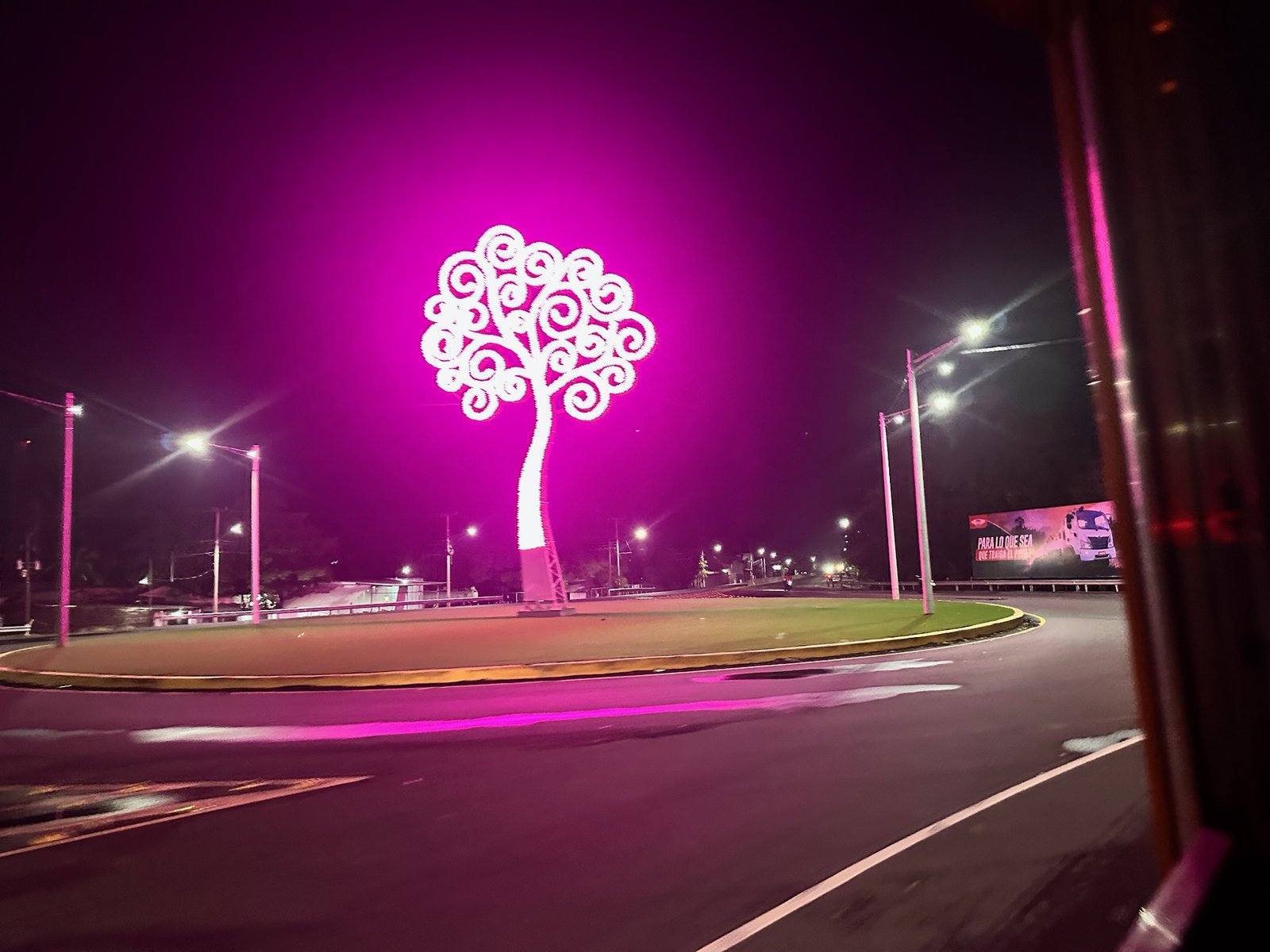
2026 · Chinandega
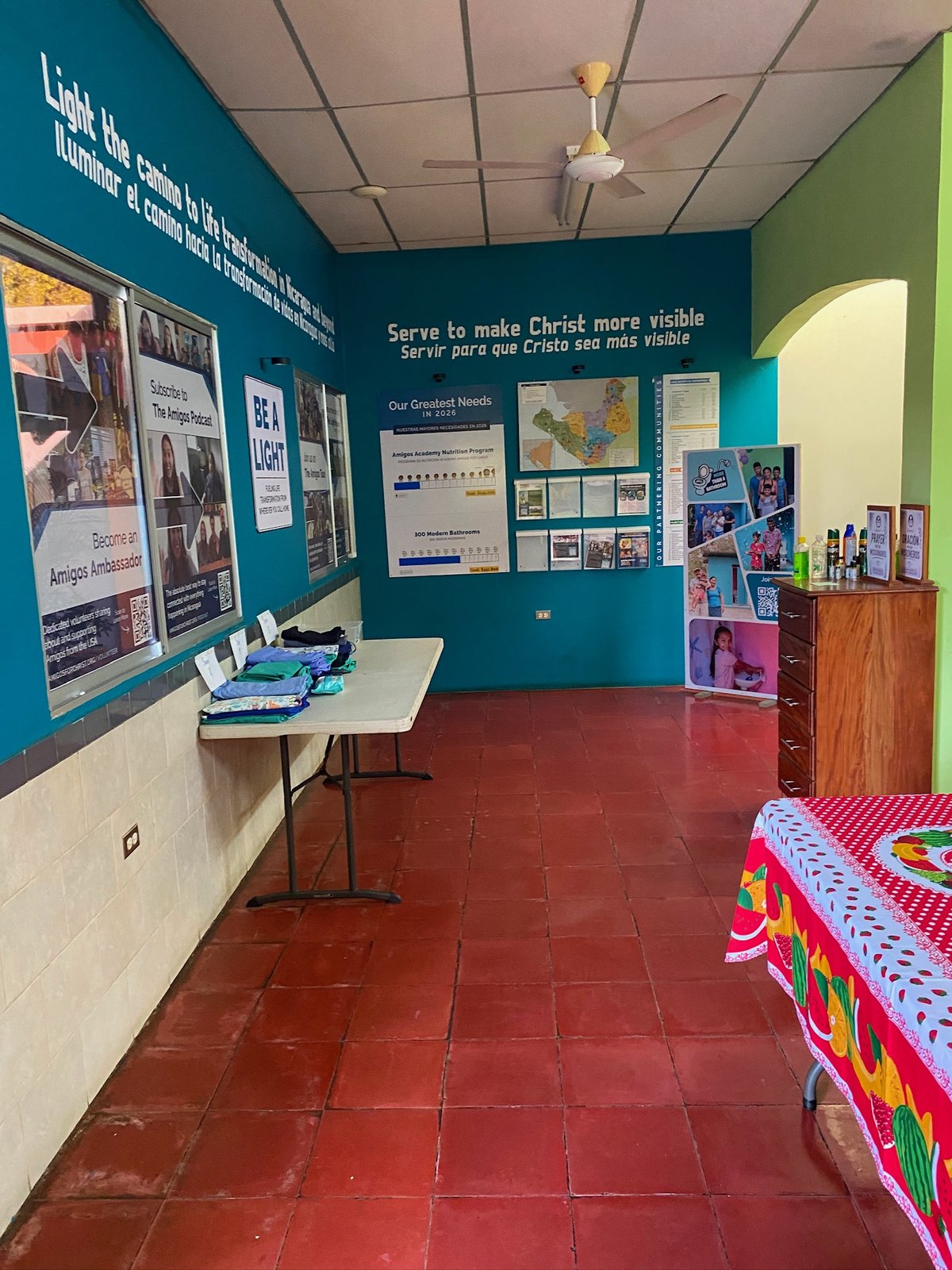
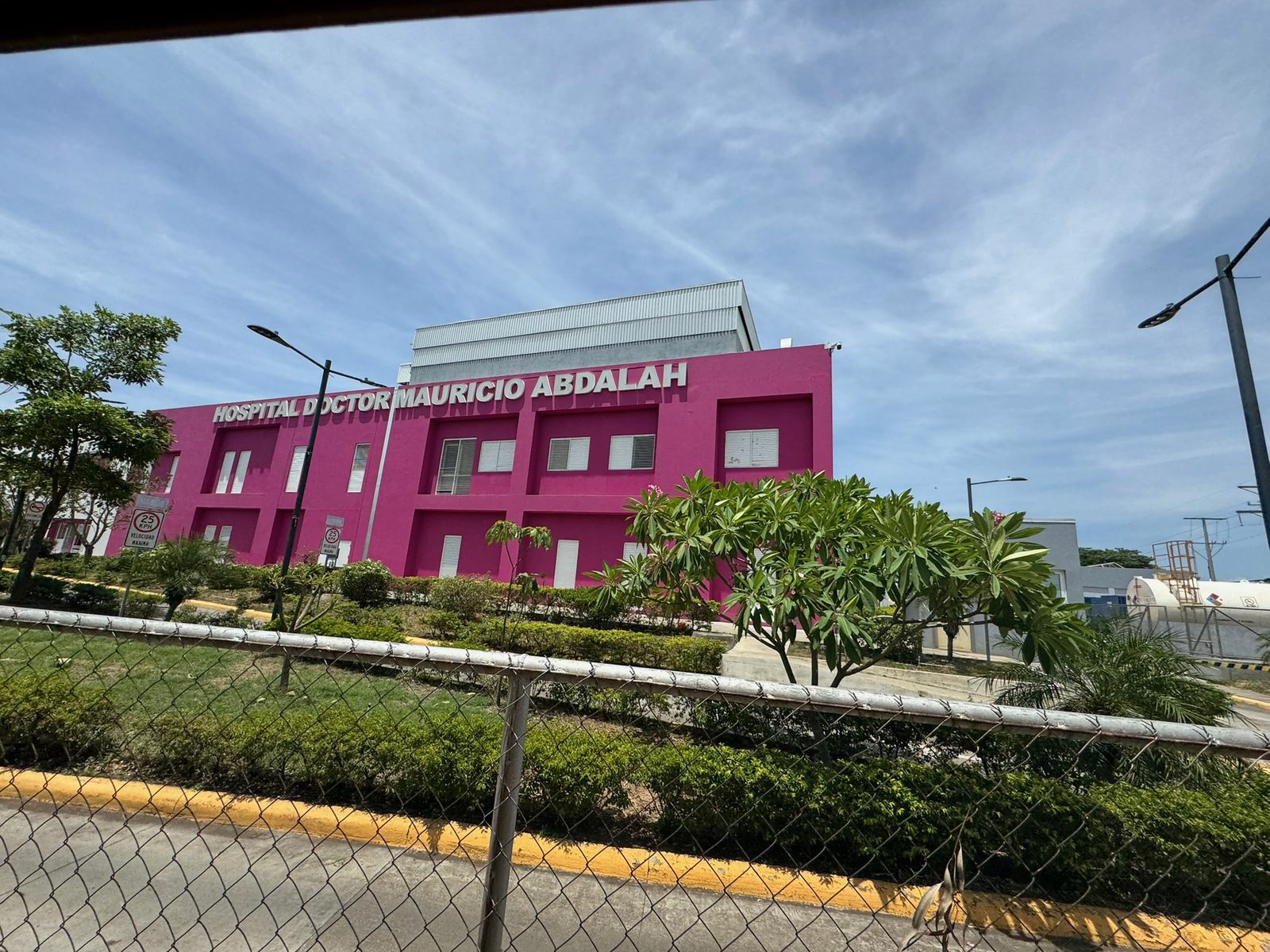
31 August–4 September 2026 · Hospital Dr. Mauricio Abdalah · Hosted by Amigos for Christ · 25 fistulas created
Chinandega · 2026
Why we came
As far as we know, this is the first mission team put together just to create and teach AV fistulas in Nicaragua.
We created 25 arteriovenous fistulas.
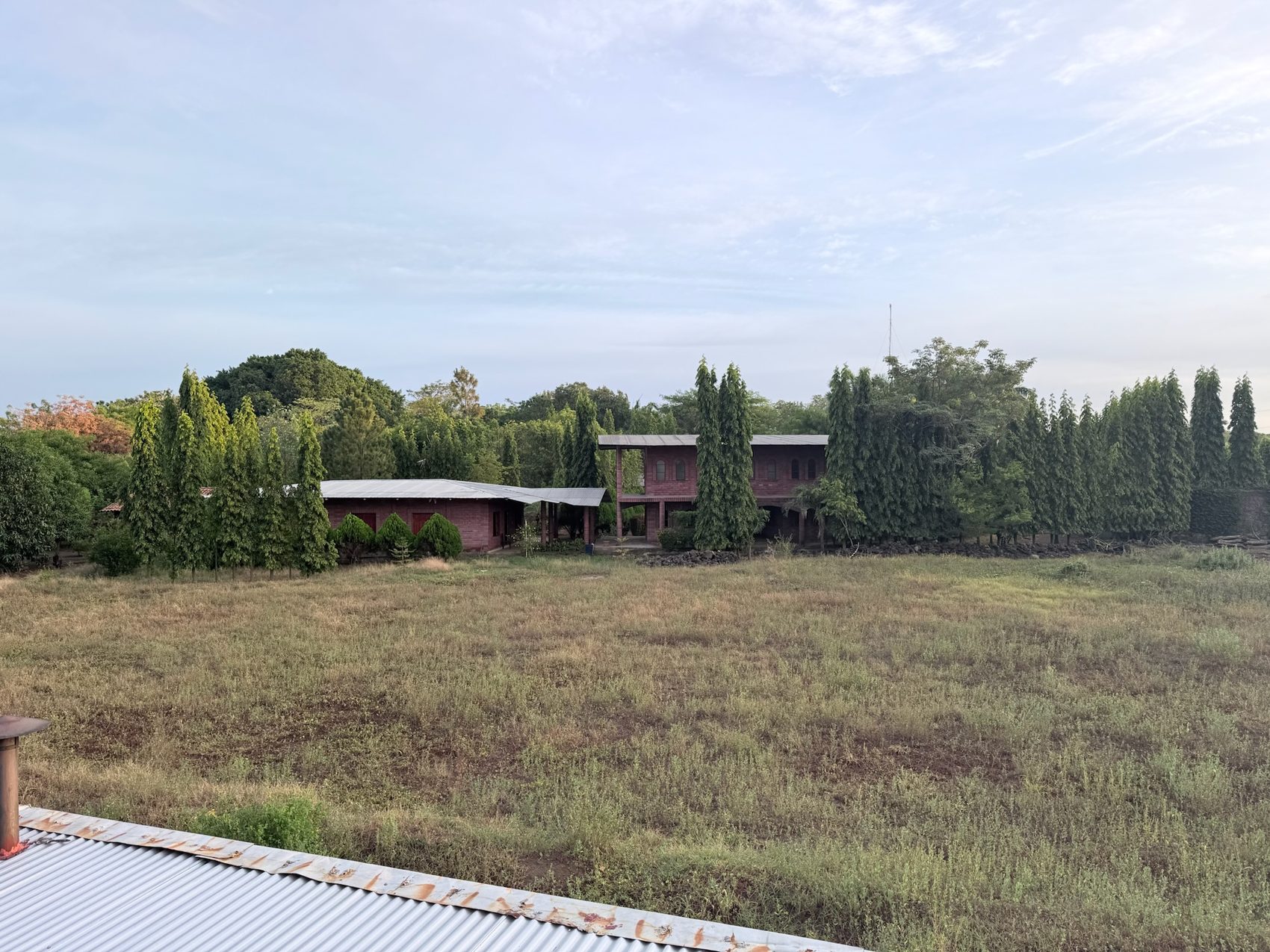
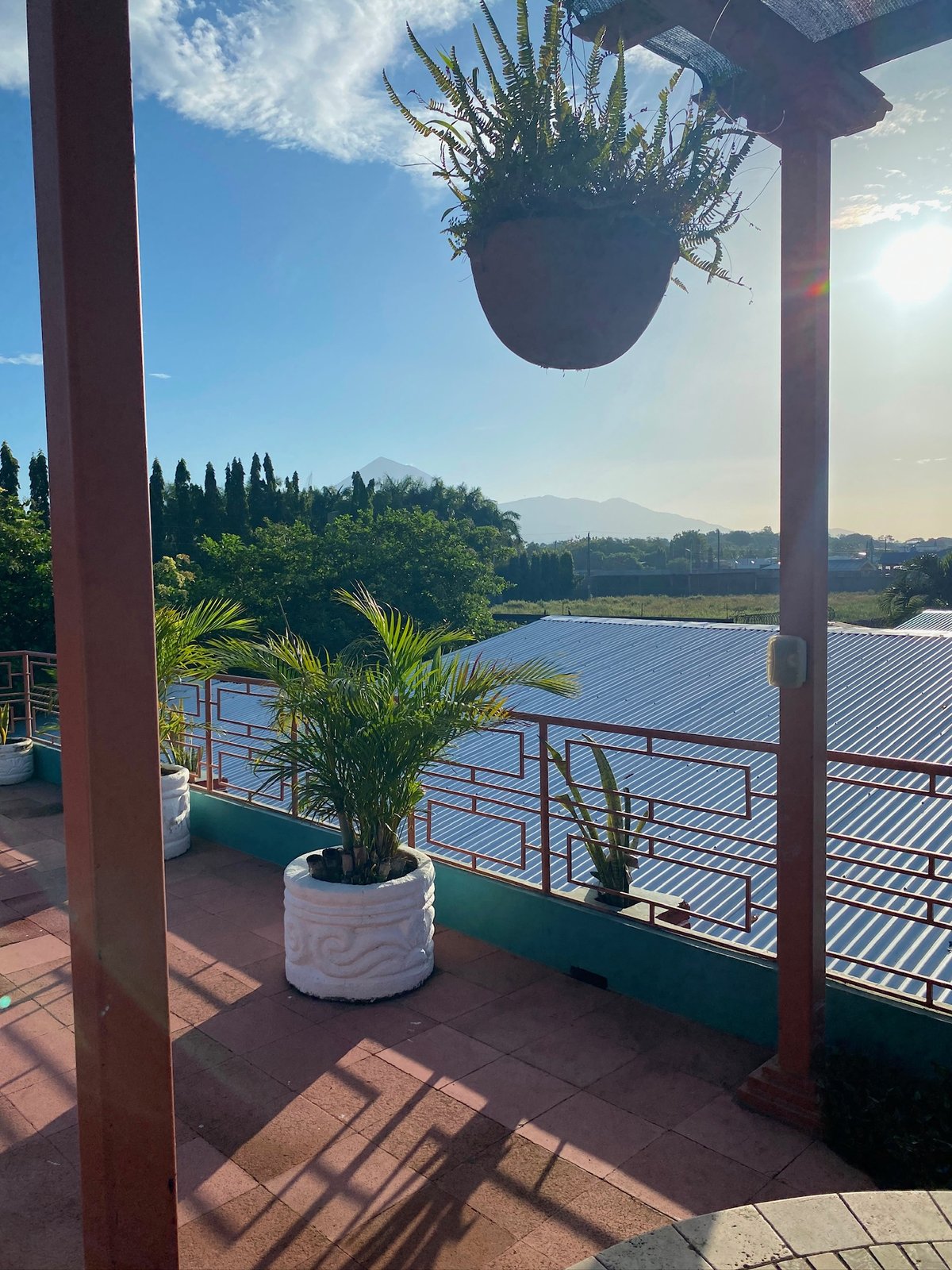
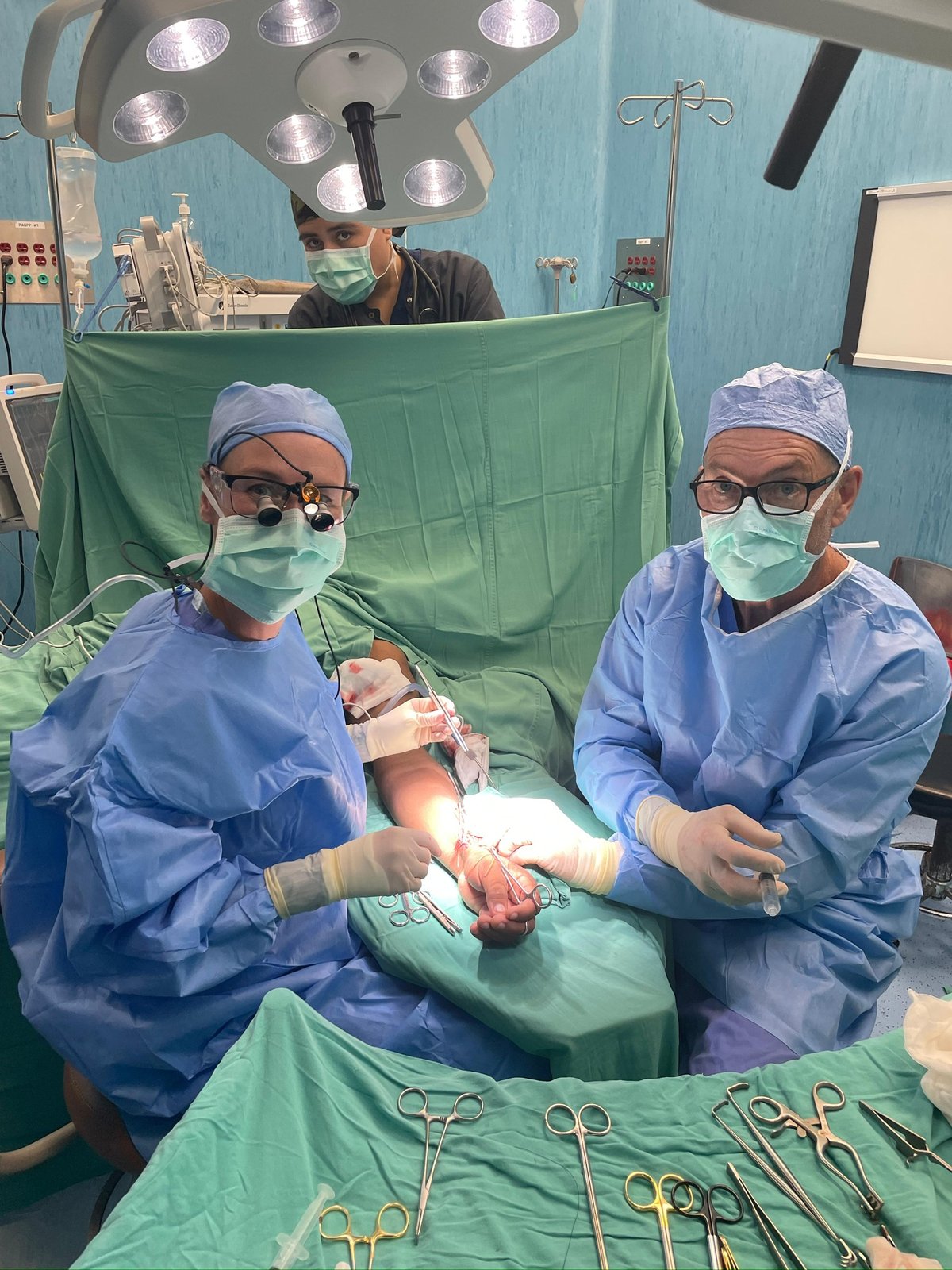
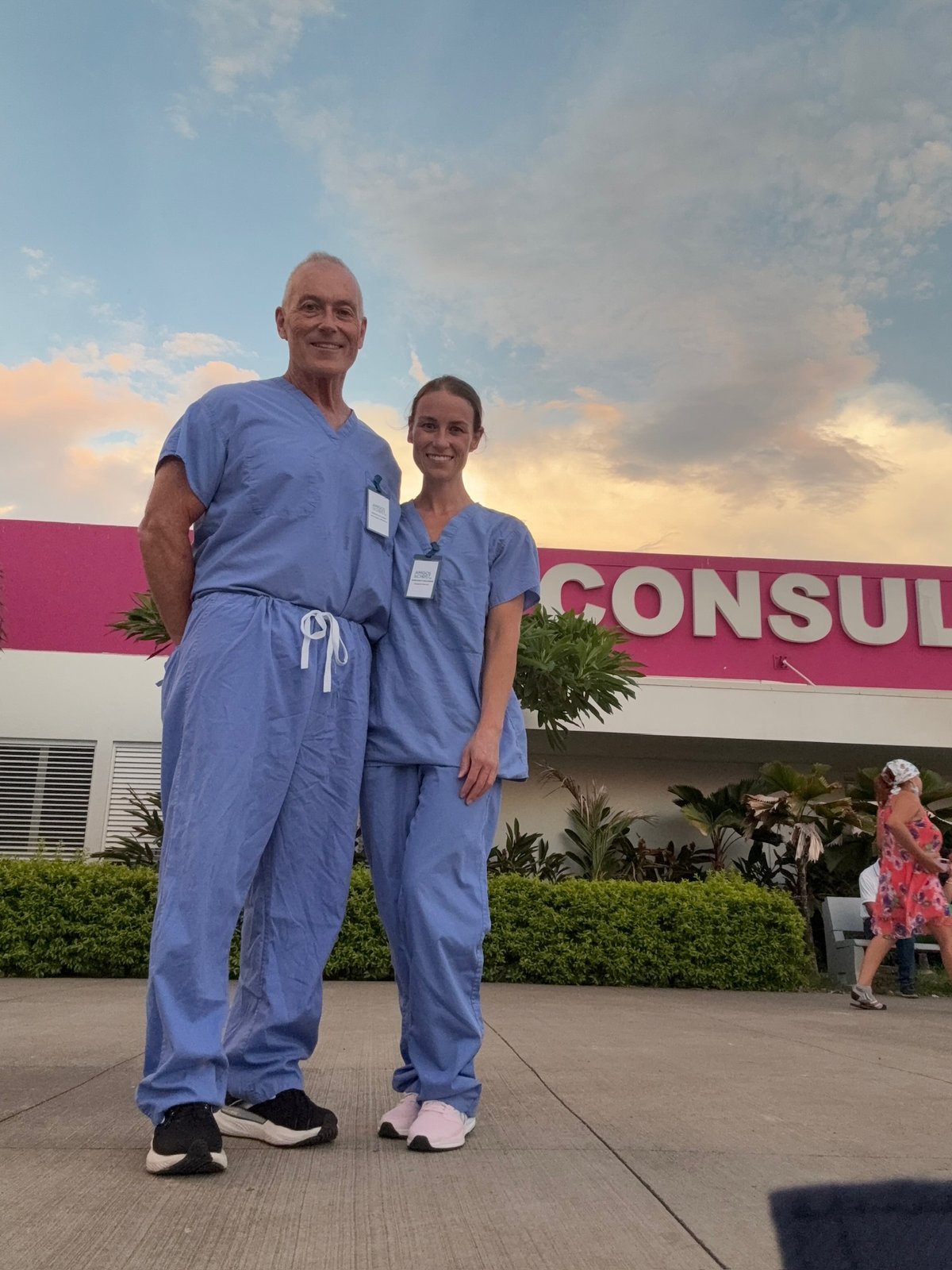
From 31 August to 4 September 2026, we stayed at the Amigos for Christ compound in Chinandega and operated at Hospital Dr. Mauricio Abdalah. We came to make arteriovenous fistulas: sew an artery to a vein so people who need hemodialysis can be needled in their own vessel instead of living with a plastic tube in the neck.
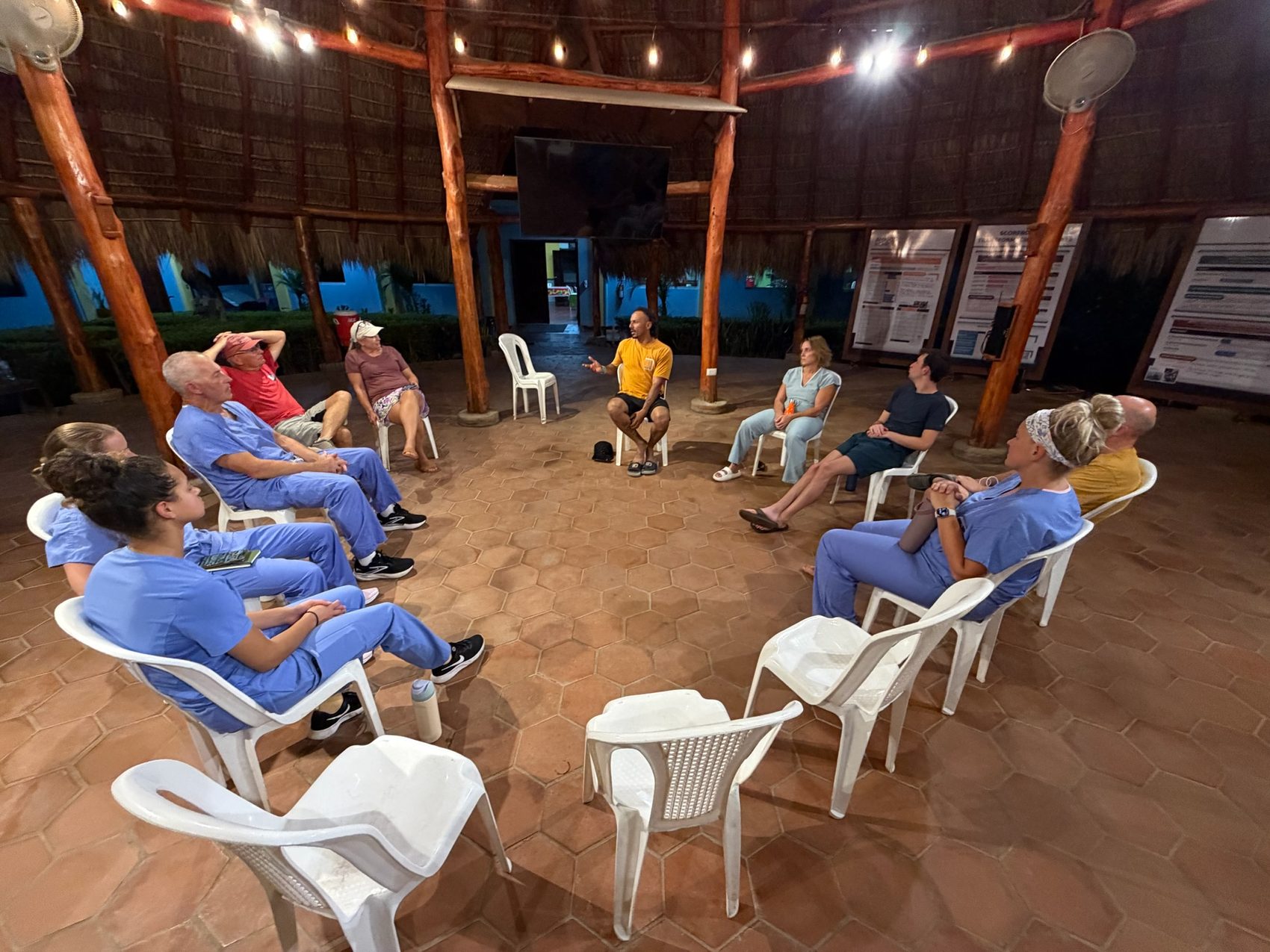
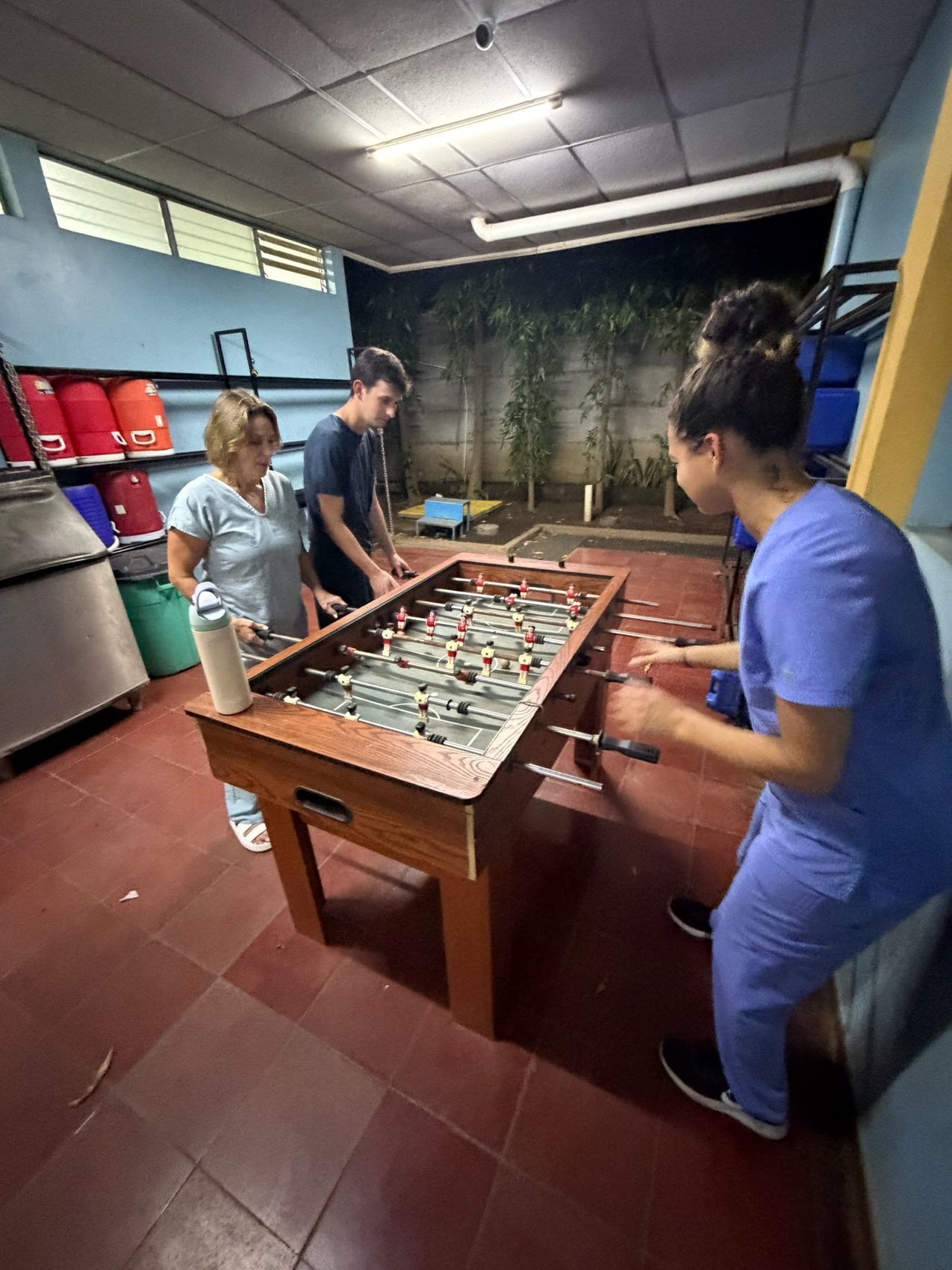
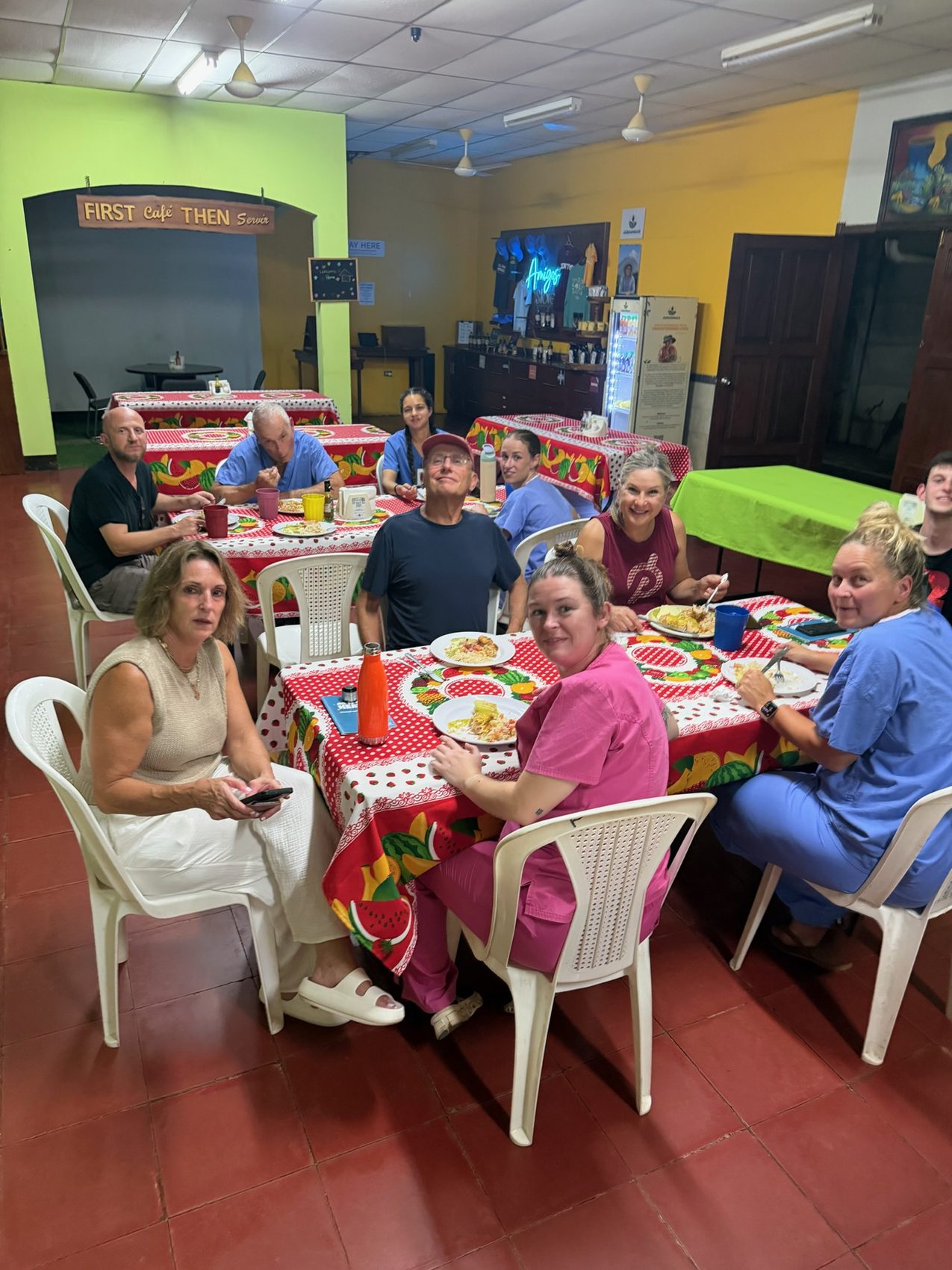
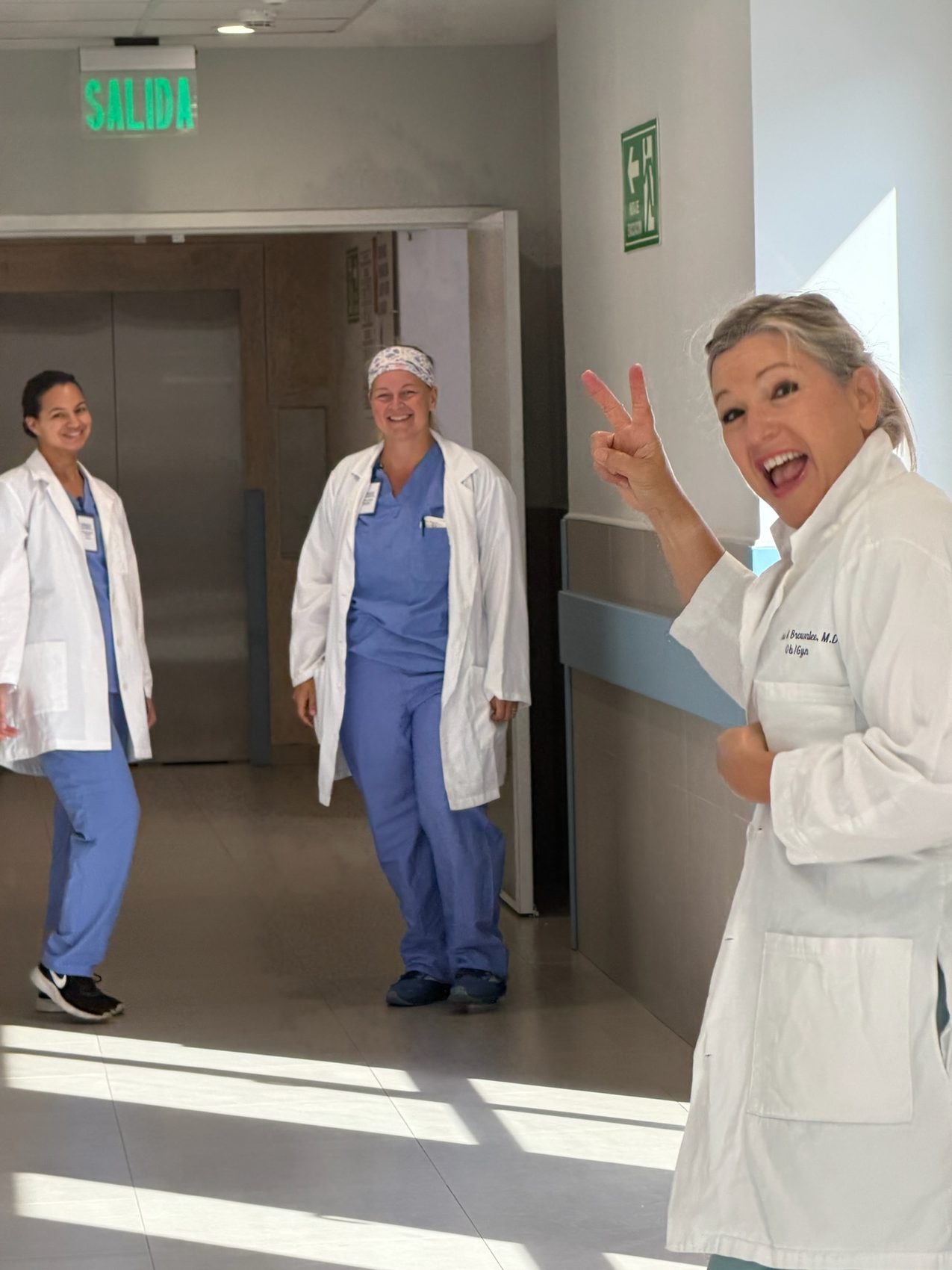
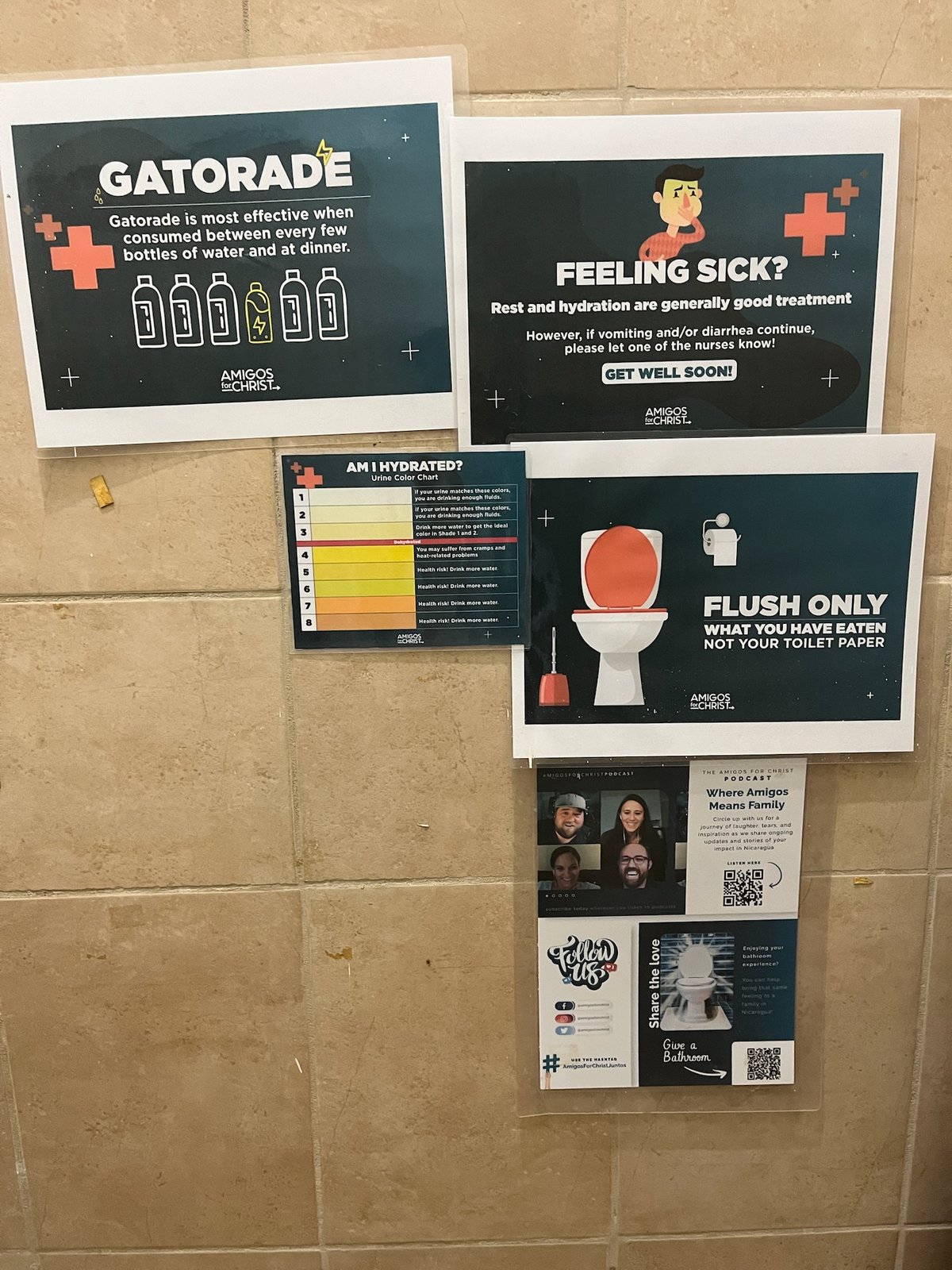
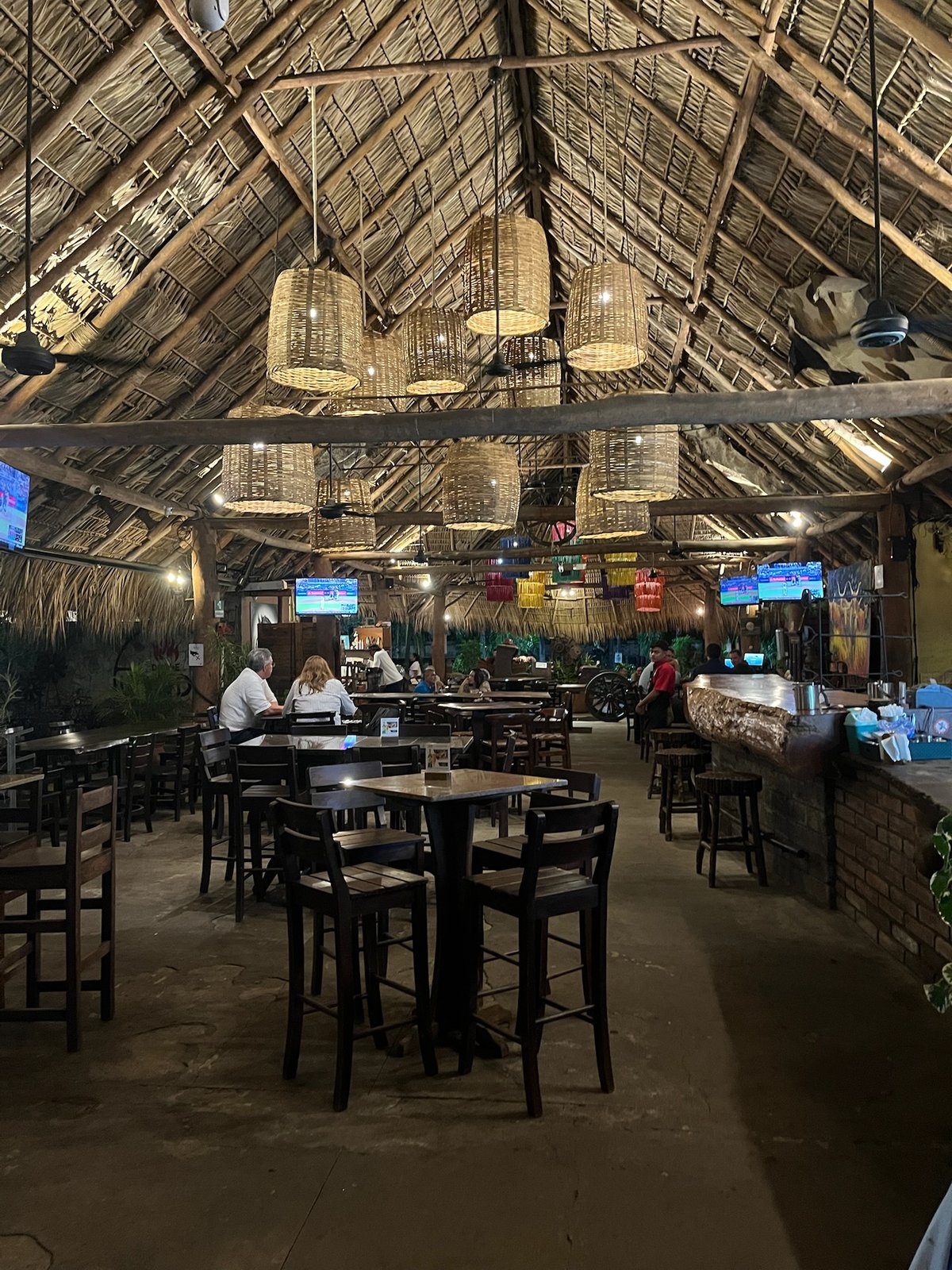
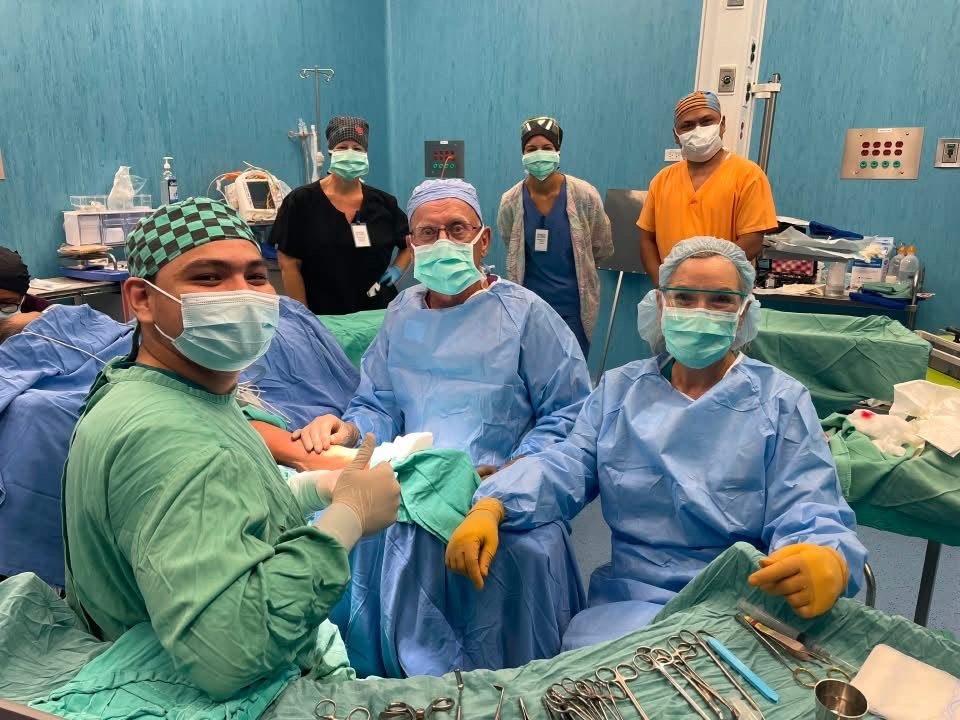
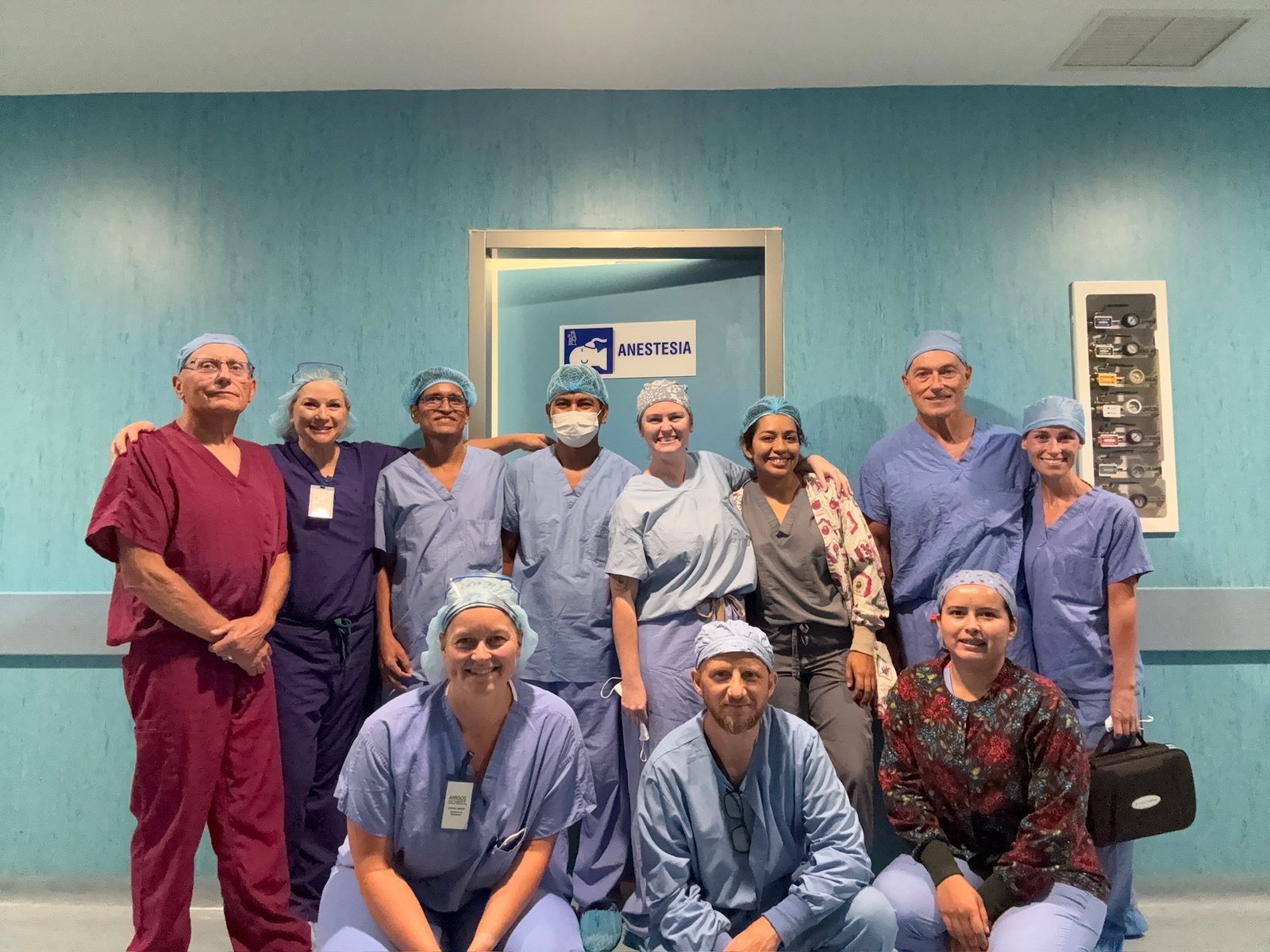
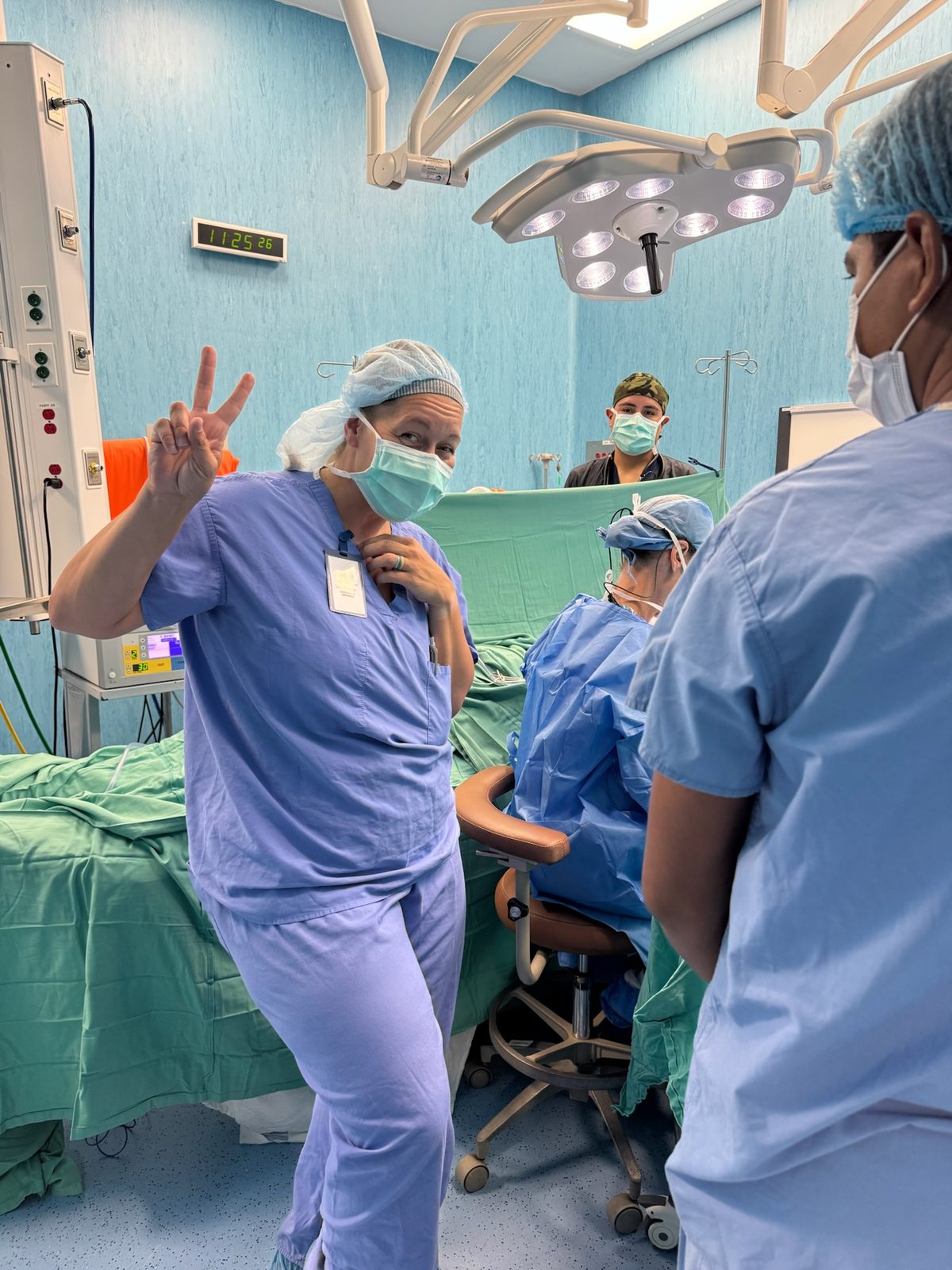
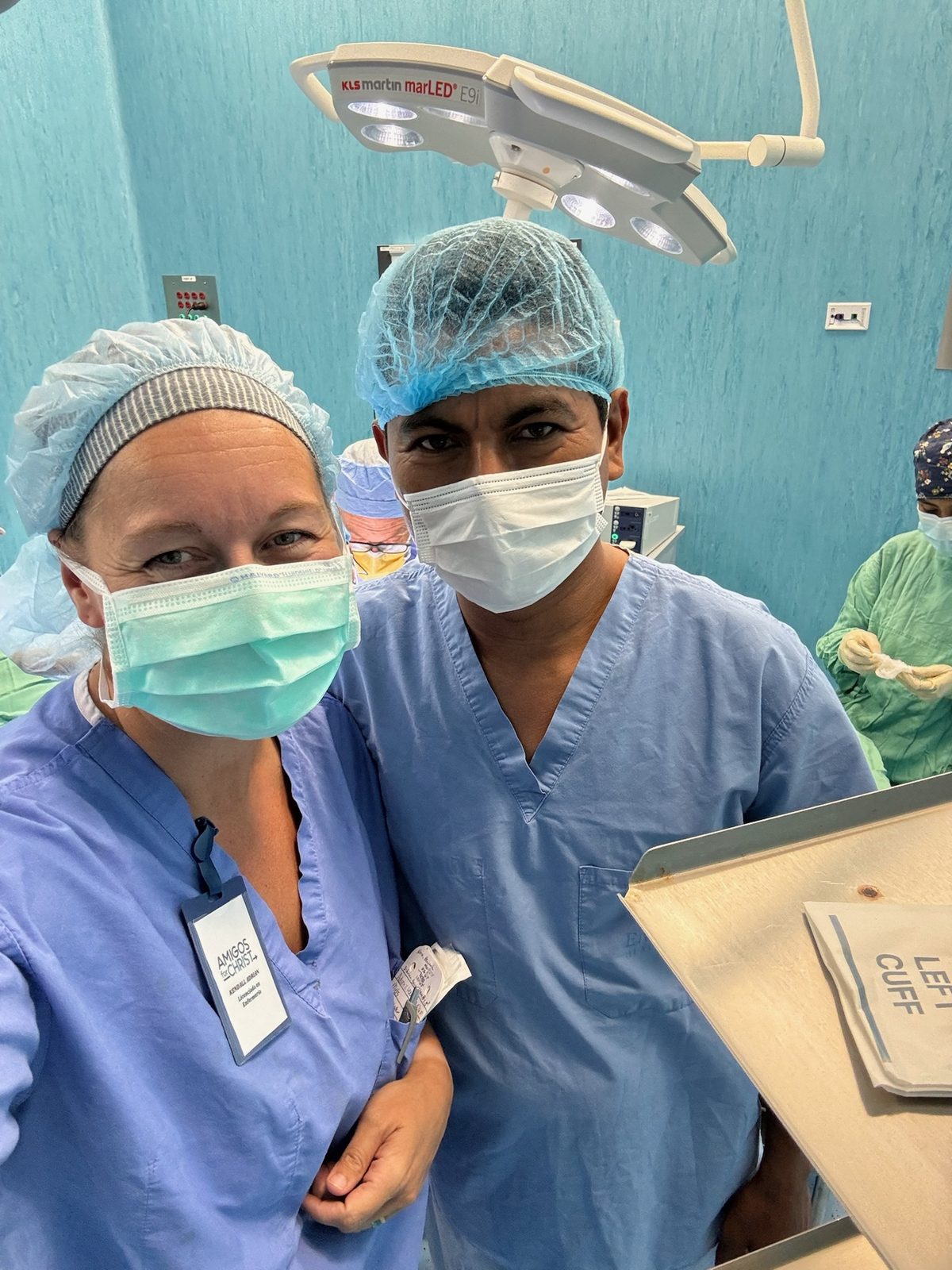
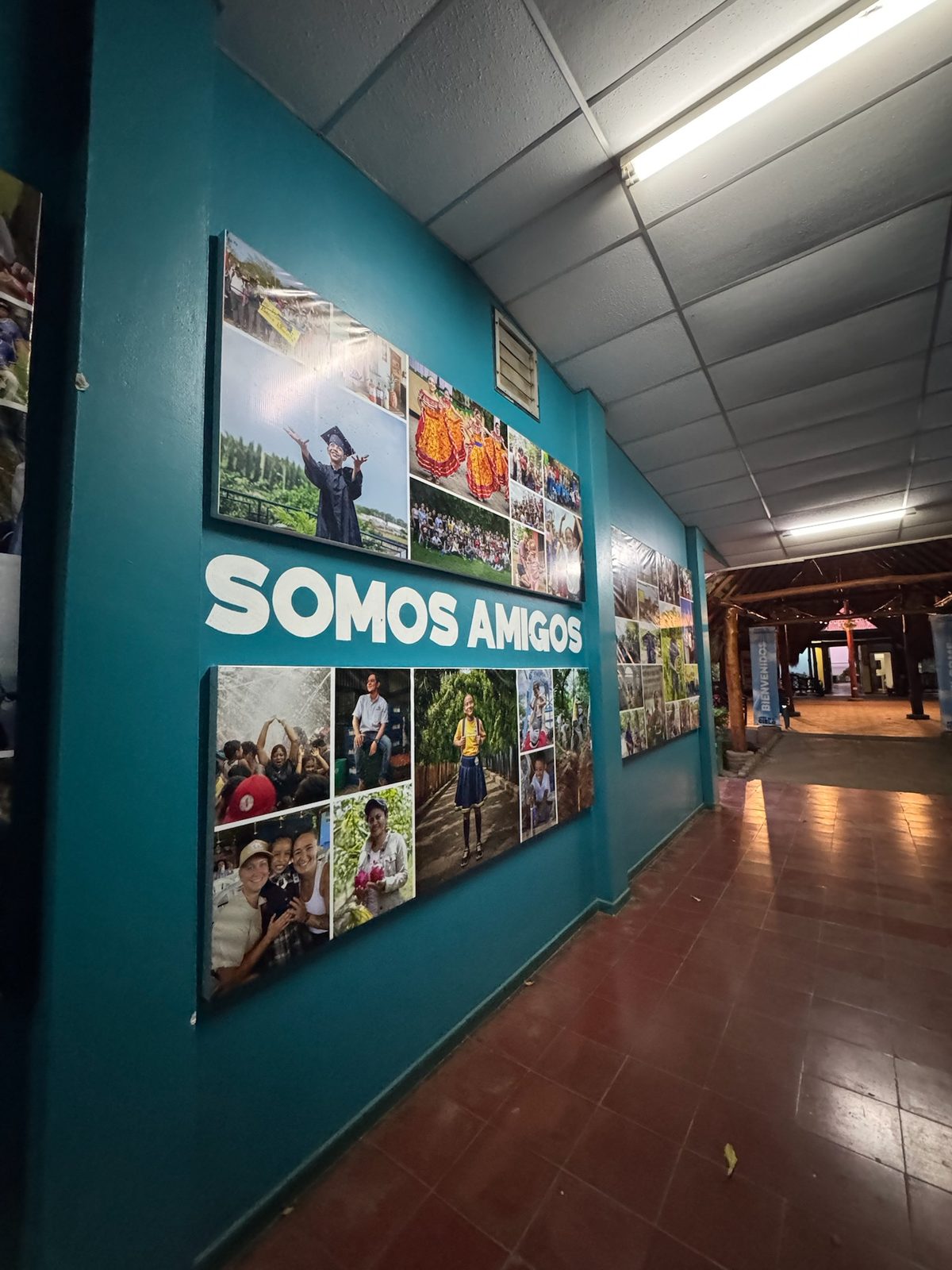
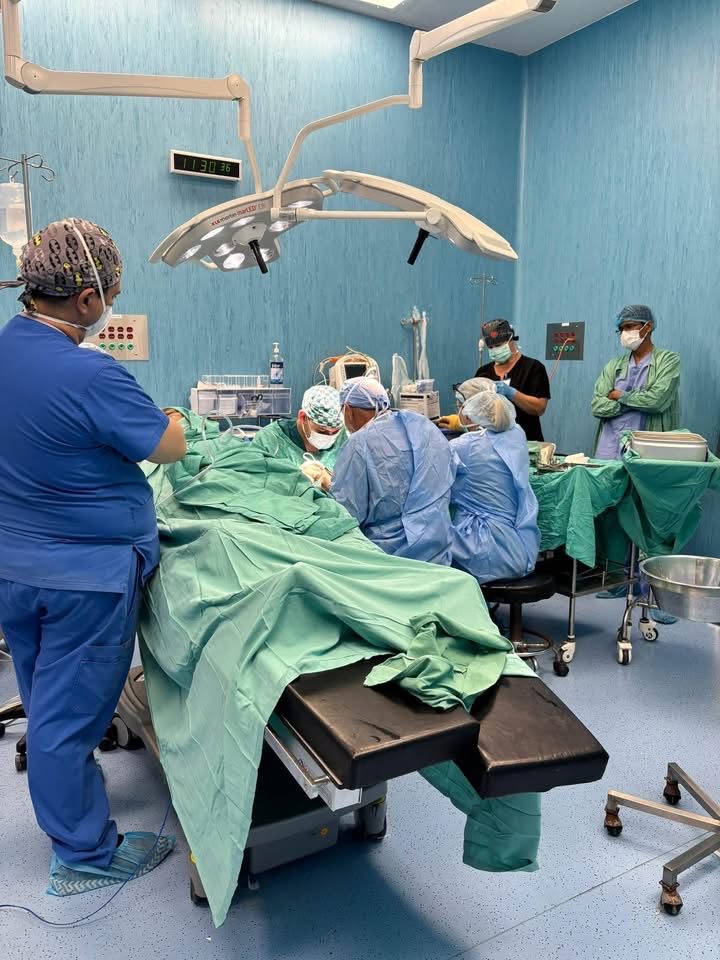
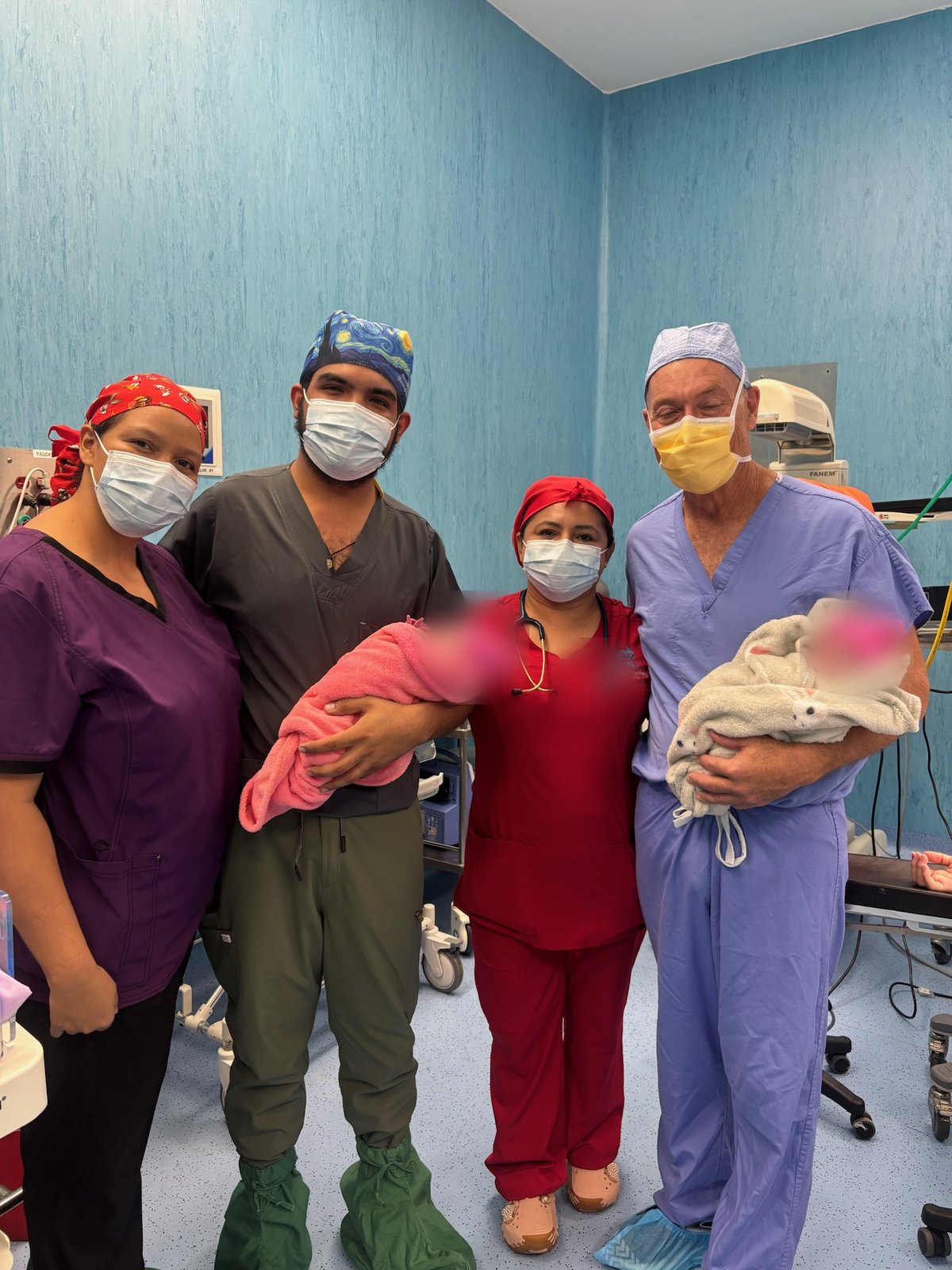
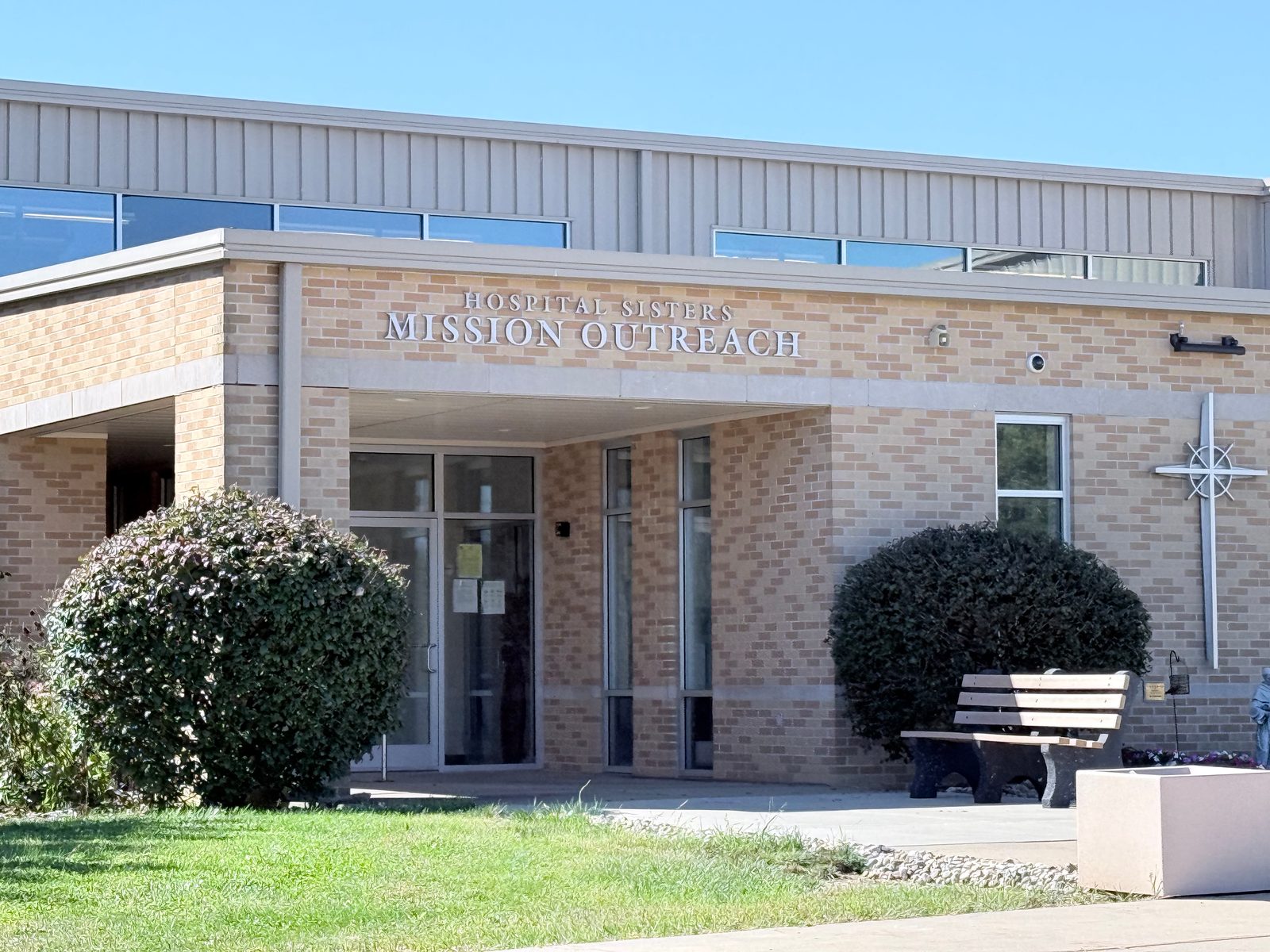
Amigos for Christ, based in Buford, Georgia, has been here a long time. We worked with Nicaraguan surgeons, nurses, and hospital staff: two teams in the same rooms, sharing tables, language, and the day’s list. When the schedule allowed, evenings ended with a devotional under the palapa.
This is our record of the 2026 week: who came, how the operating days ran, and the 25 fistulas we created. Not every arm can be sewn.
06
Inside the operation
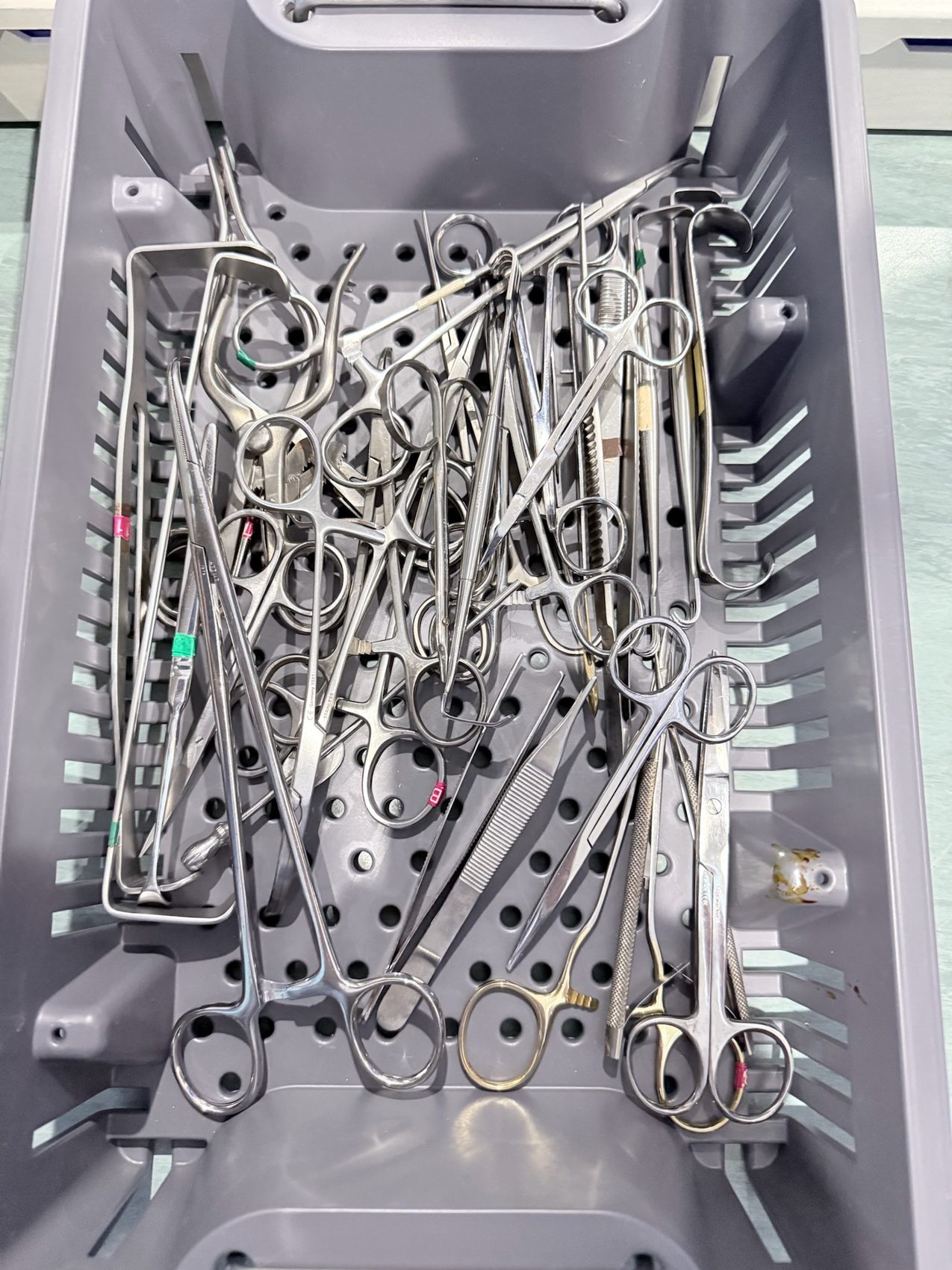
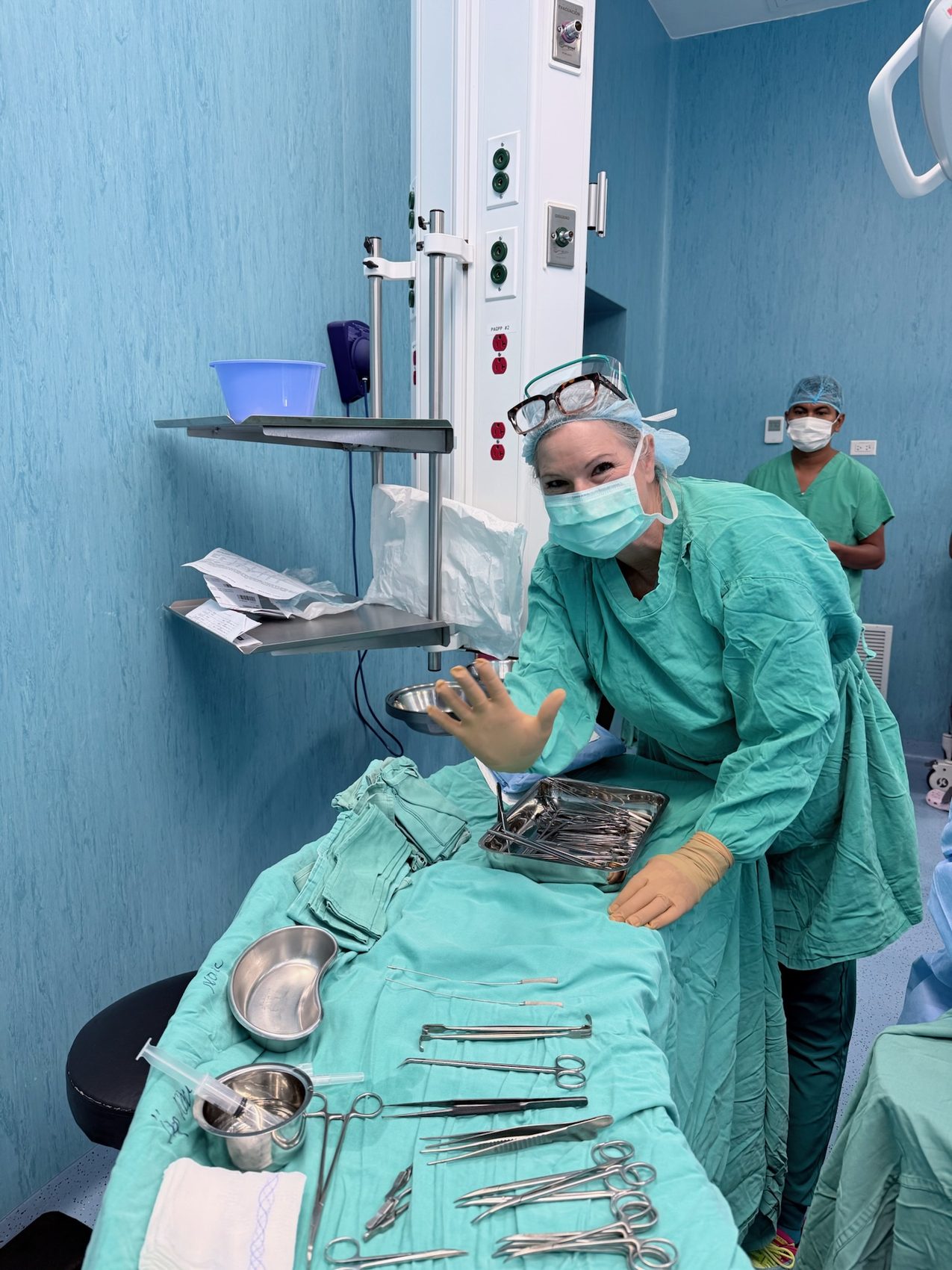
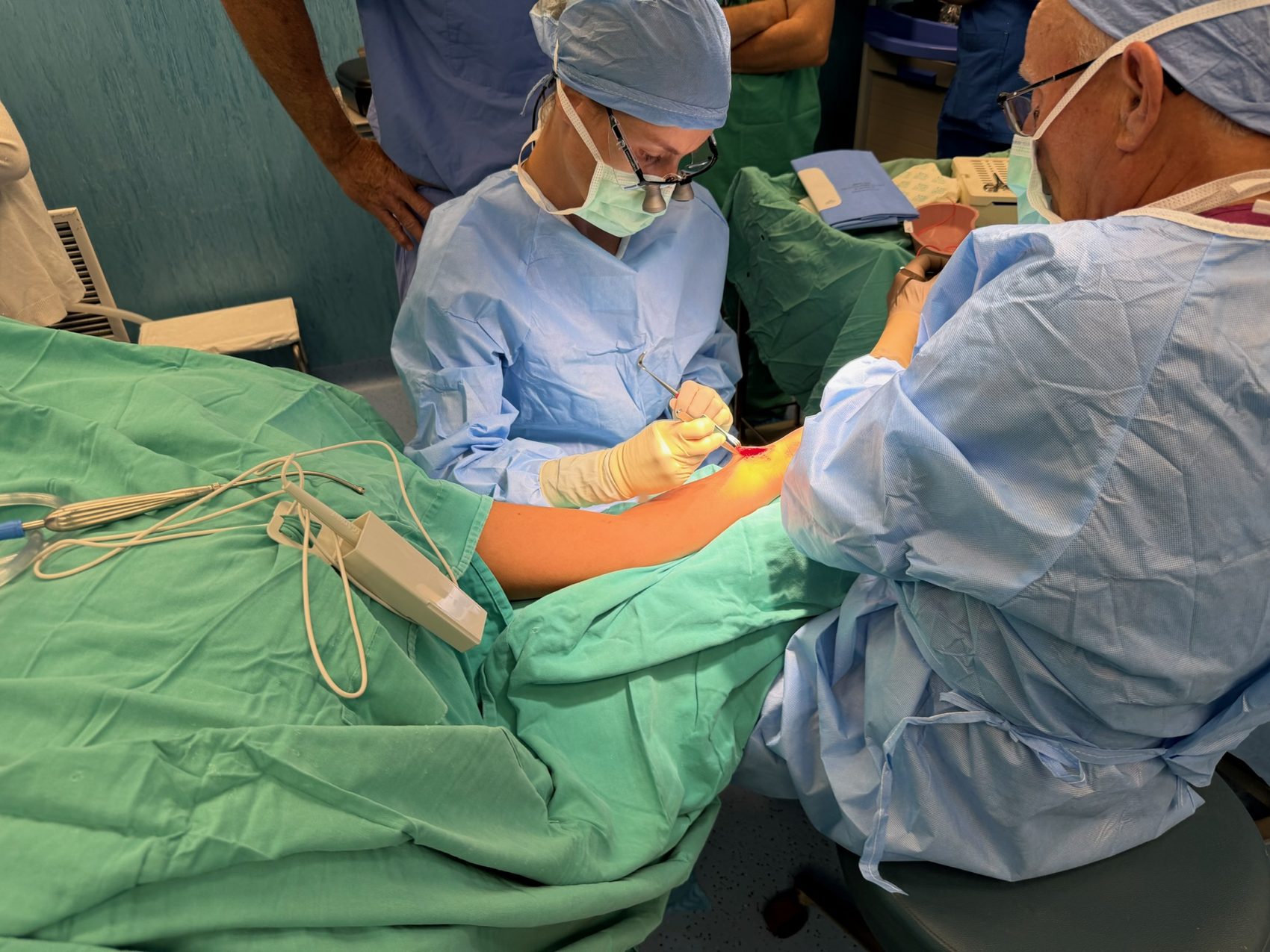
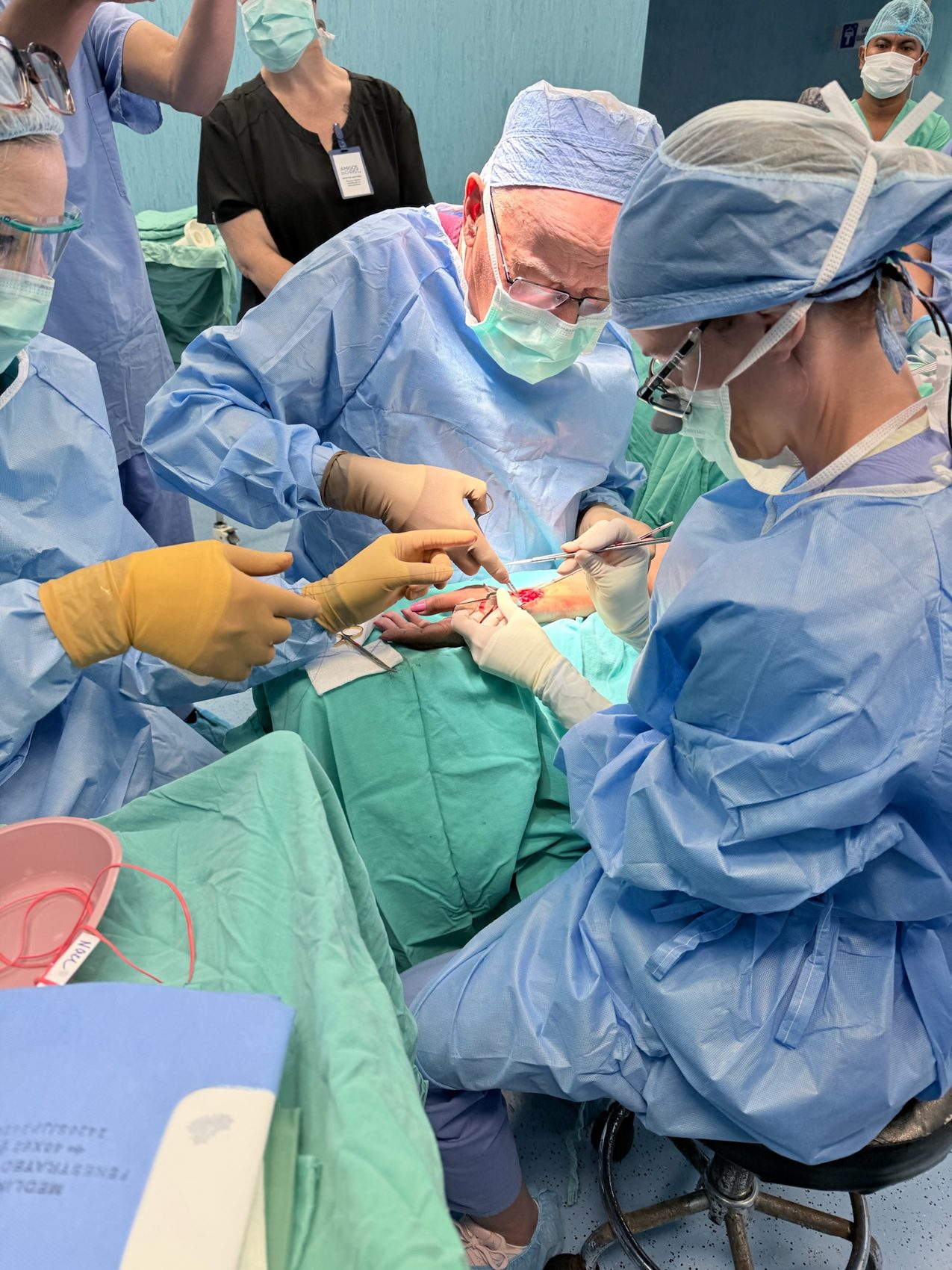
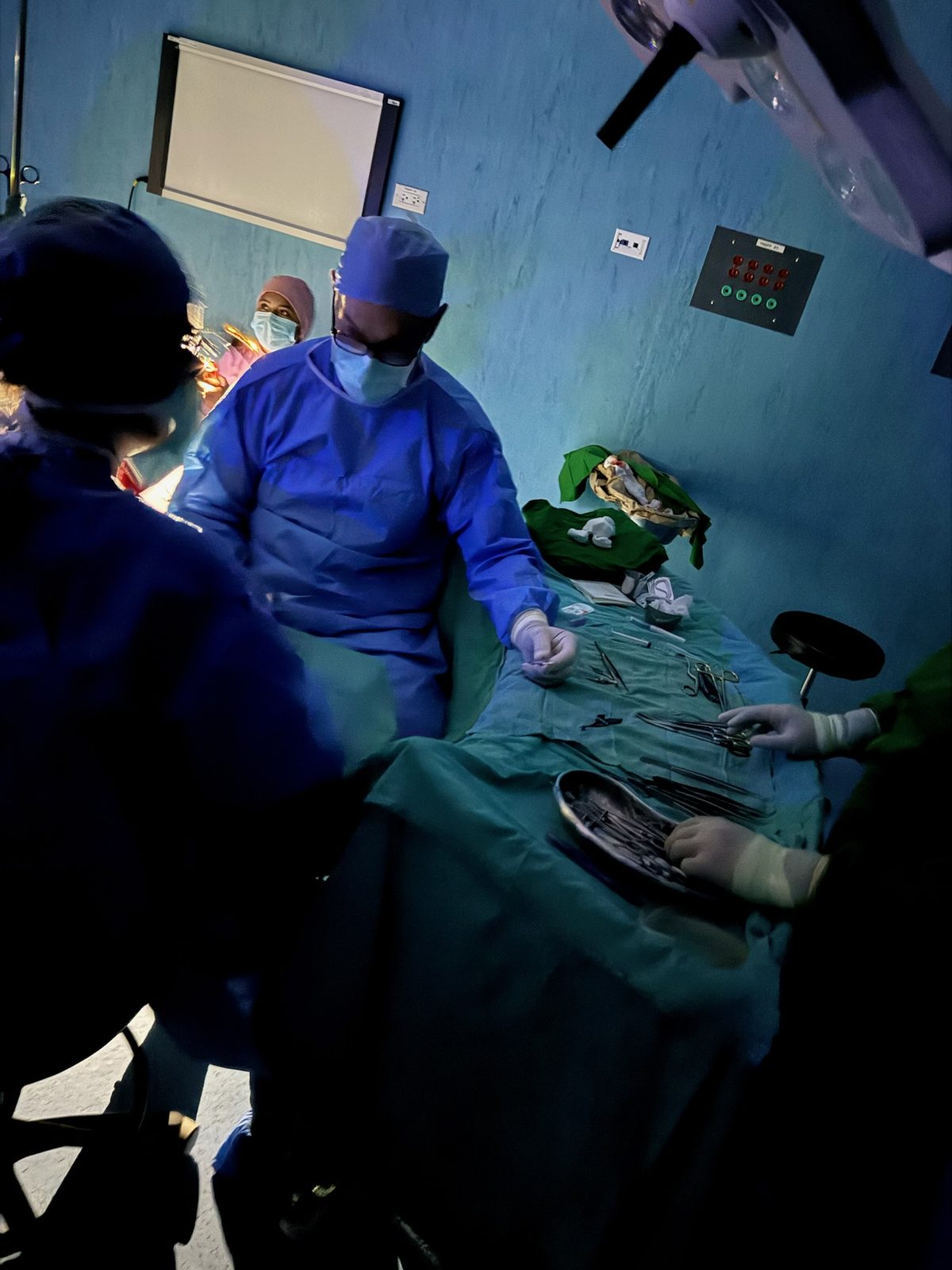
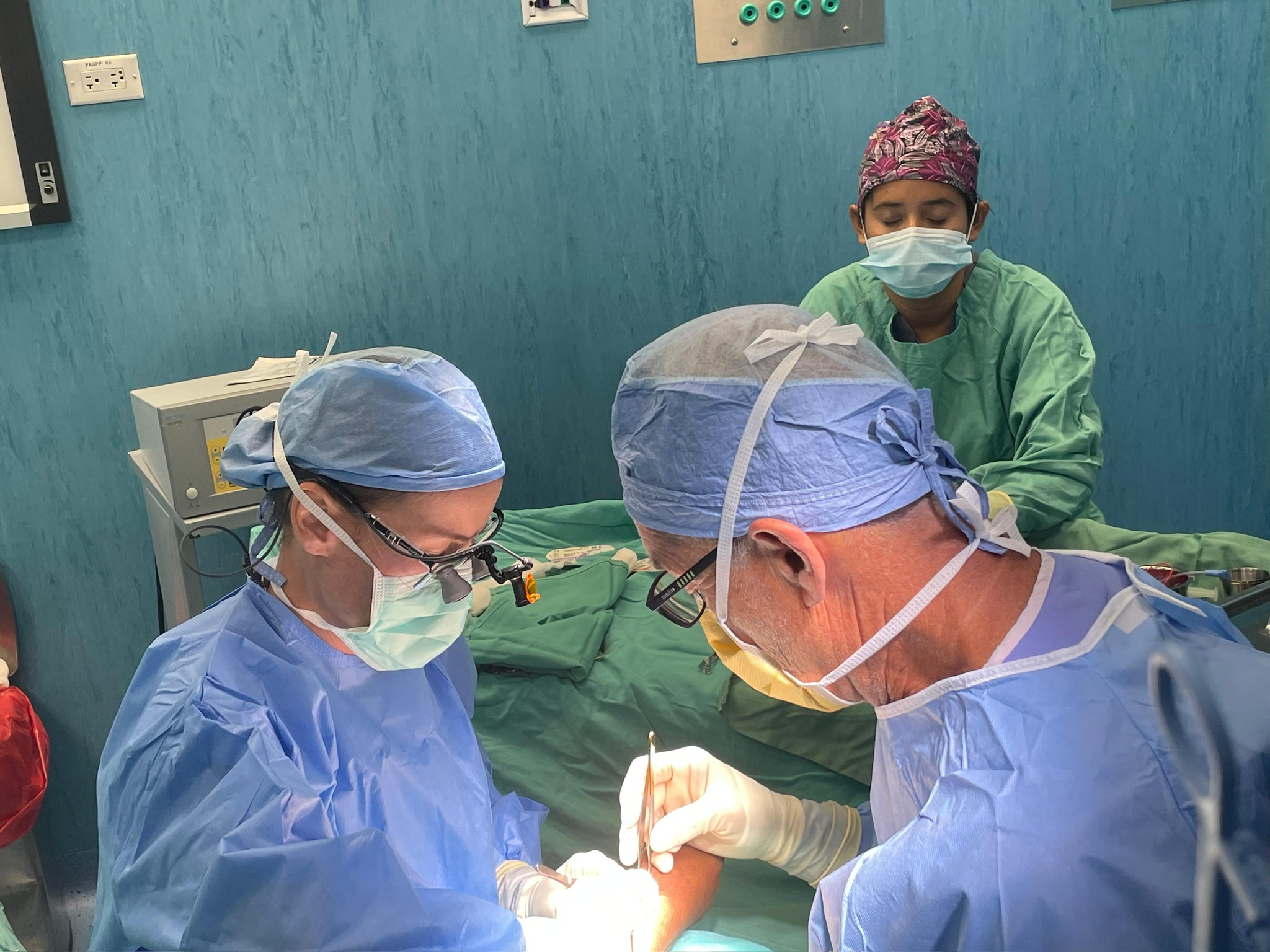
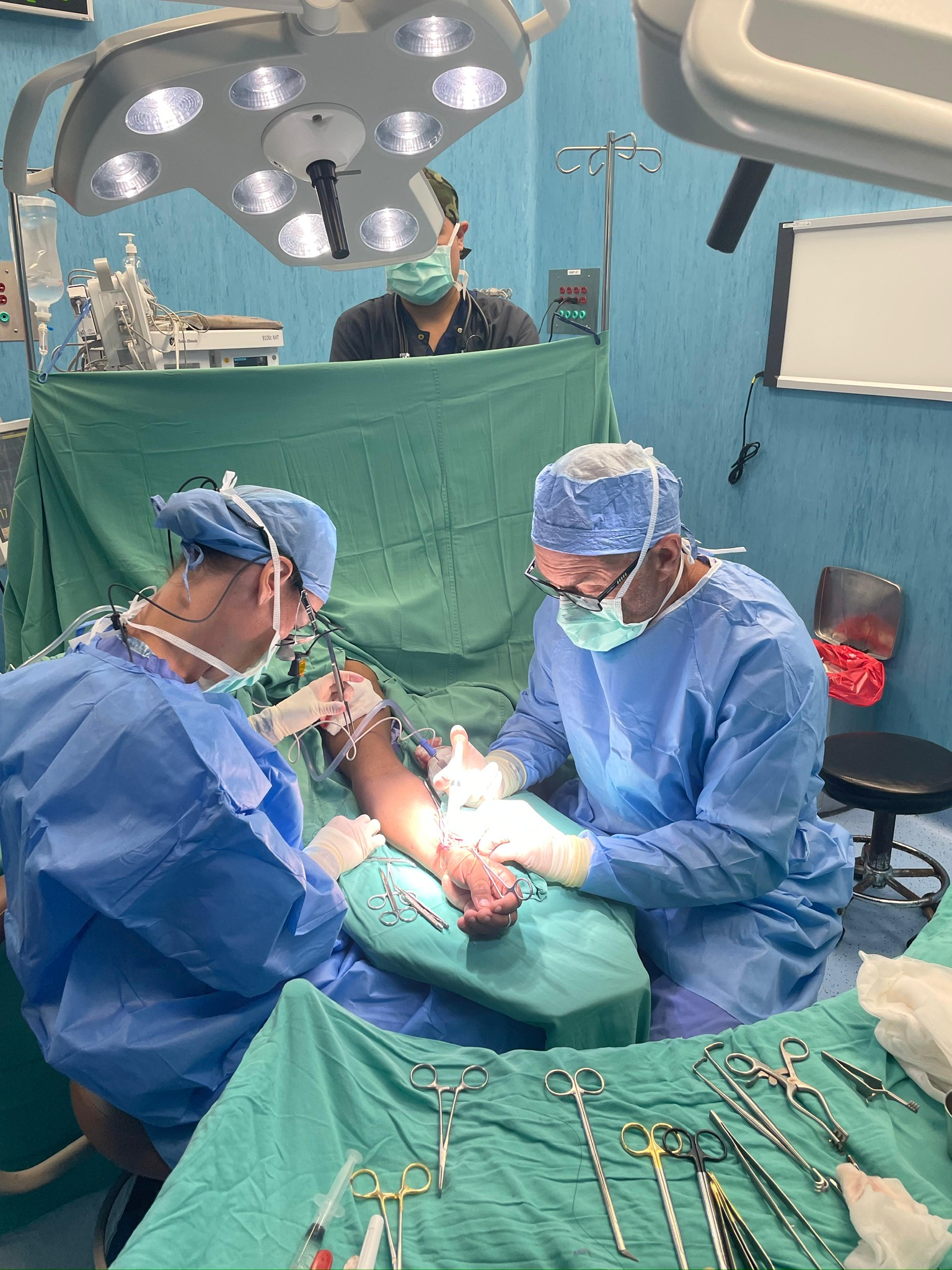
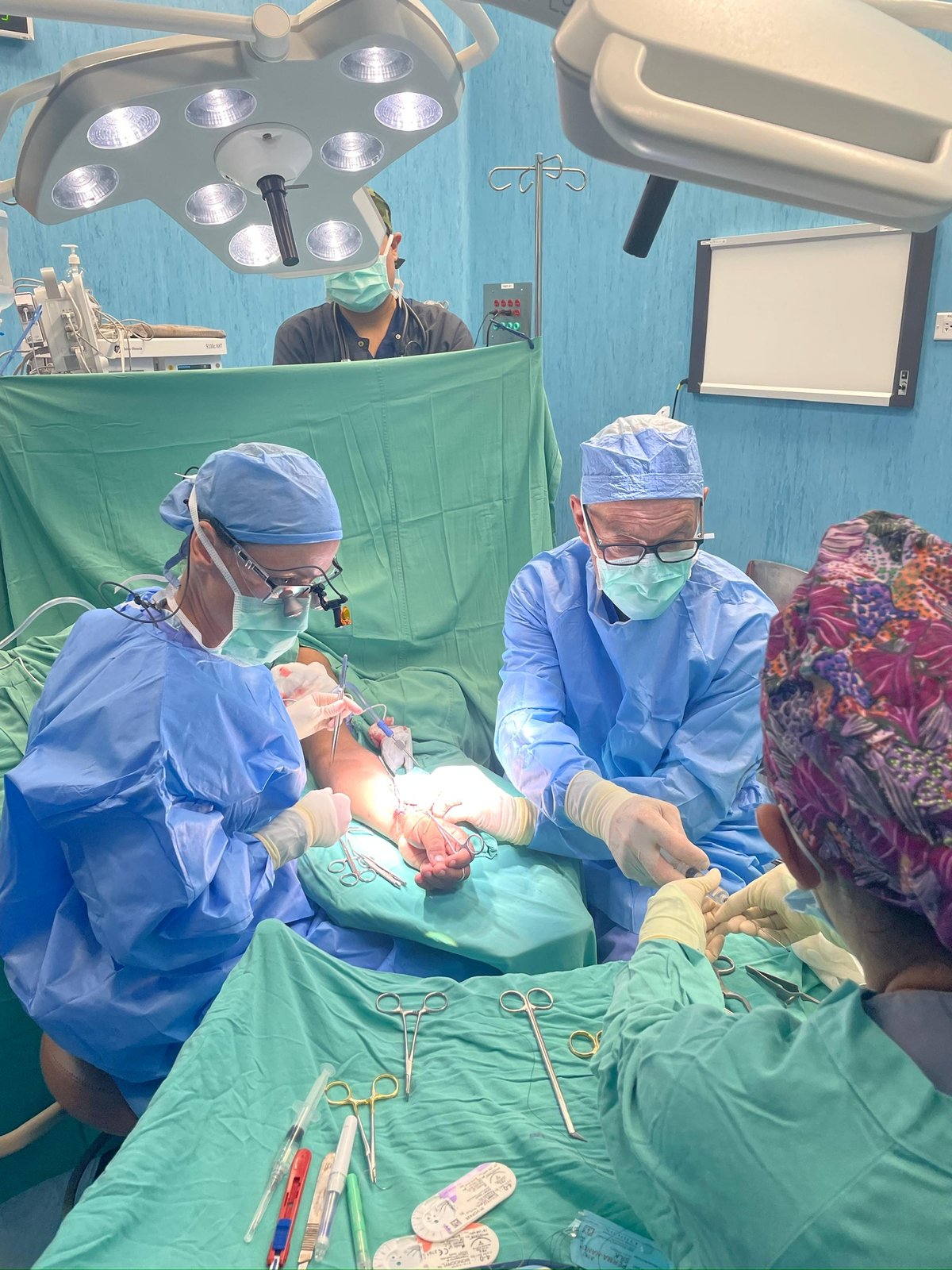
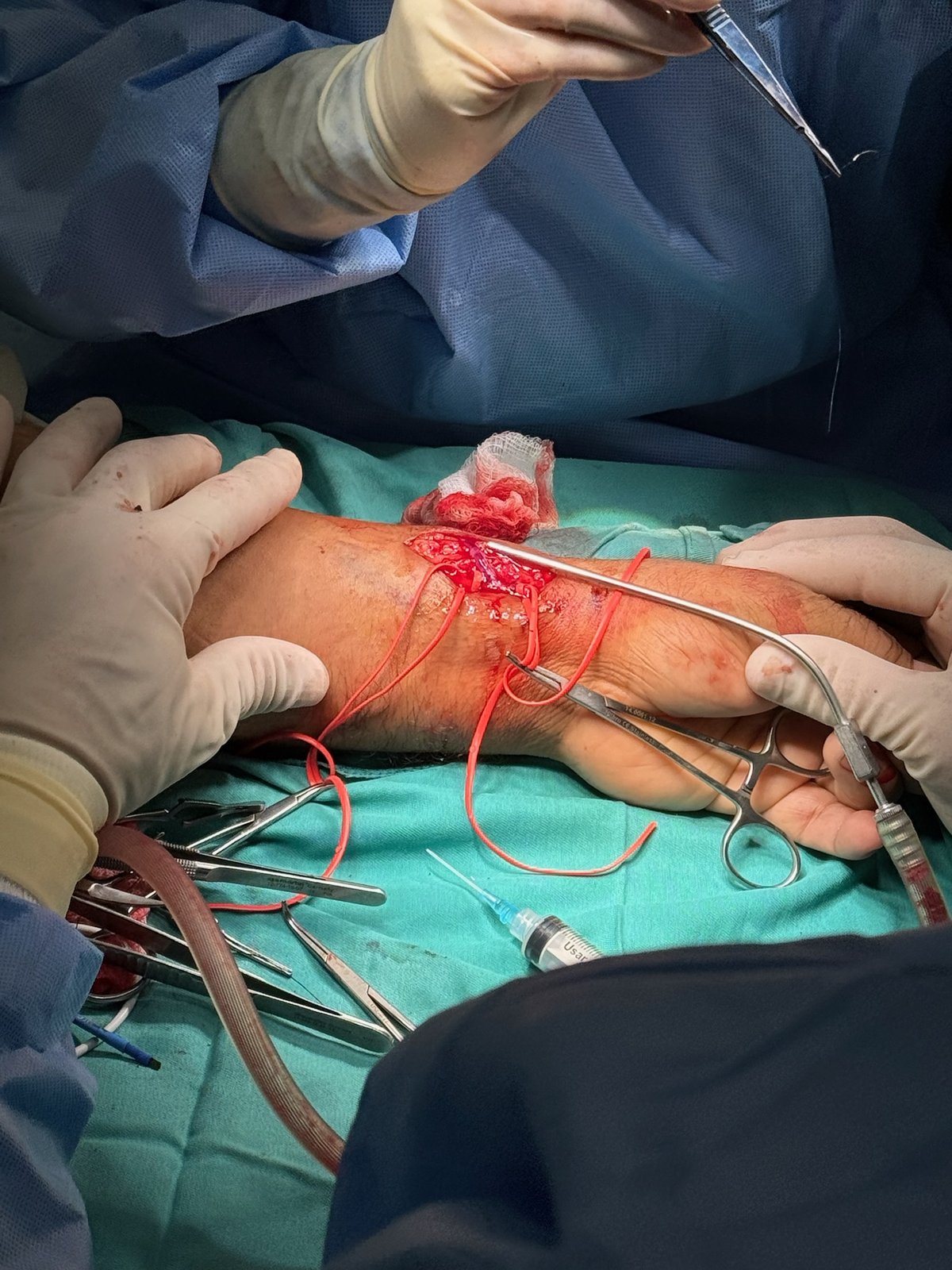
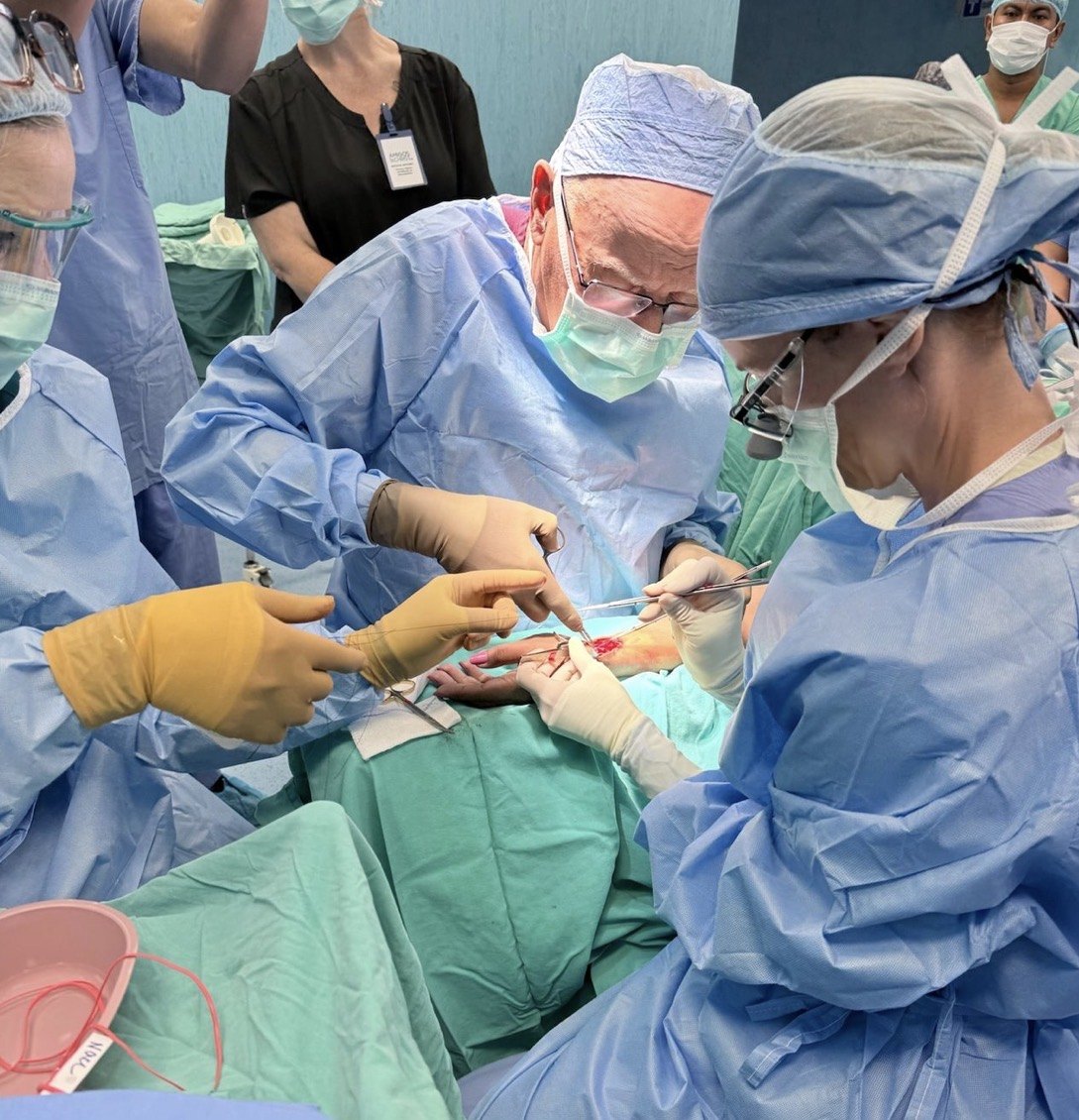
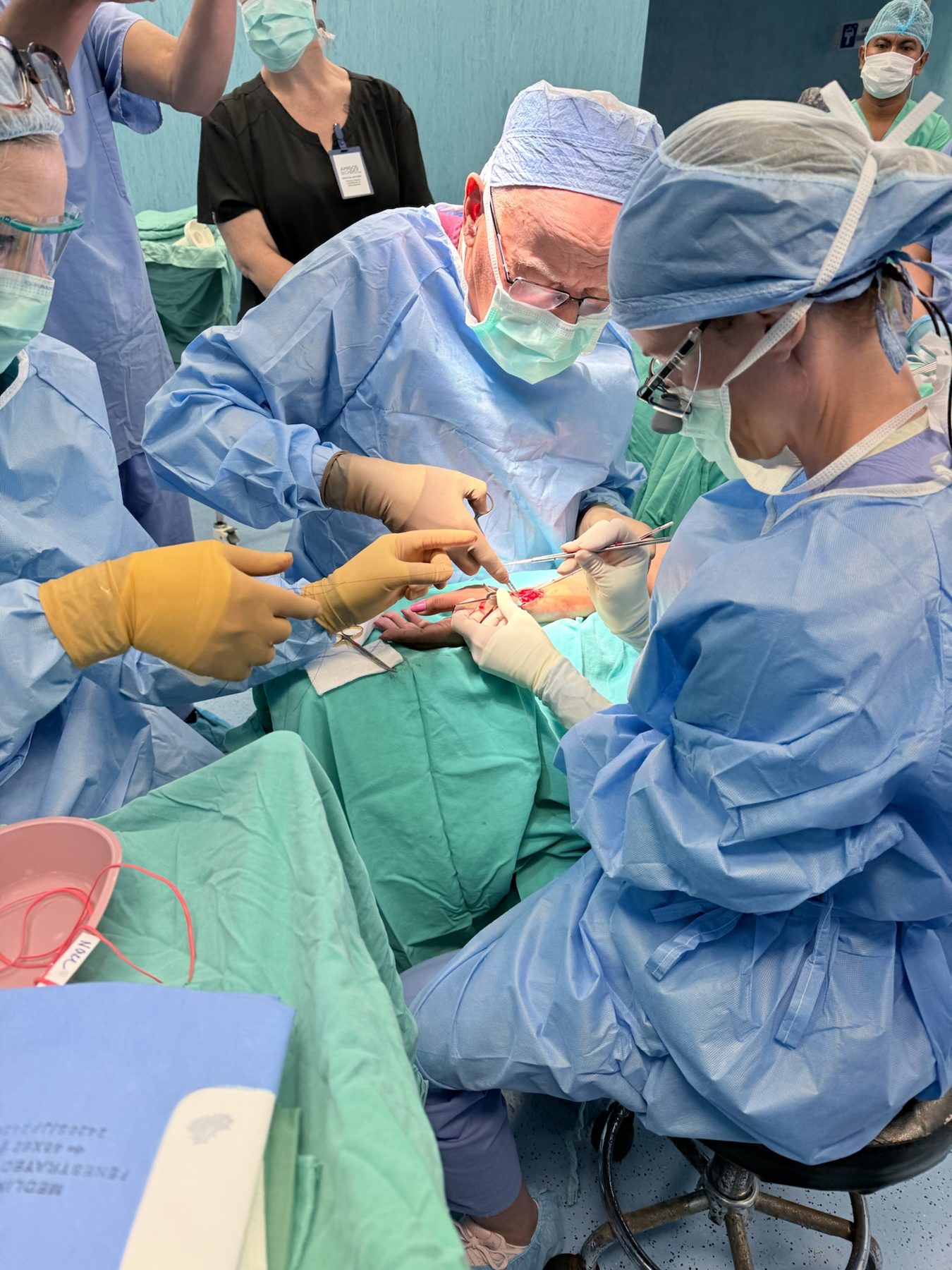
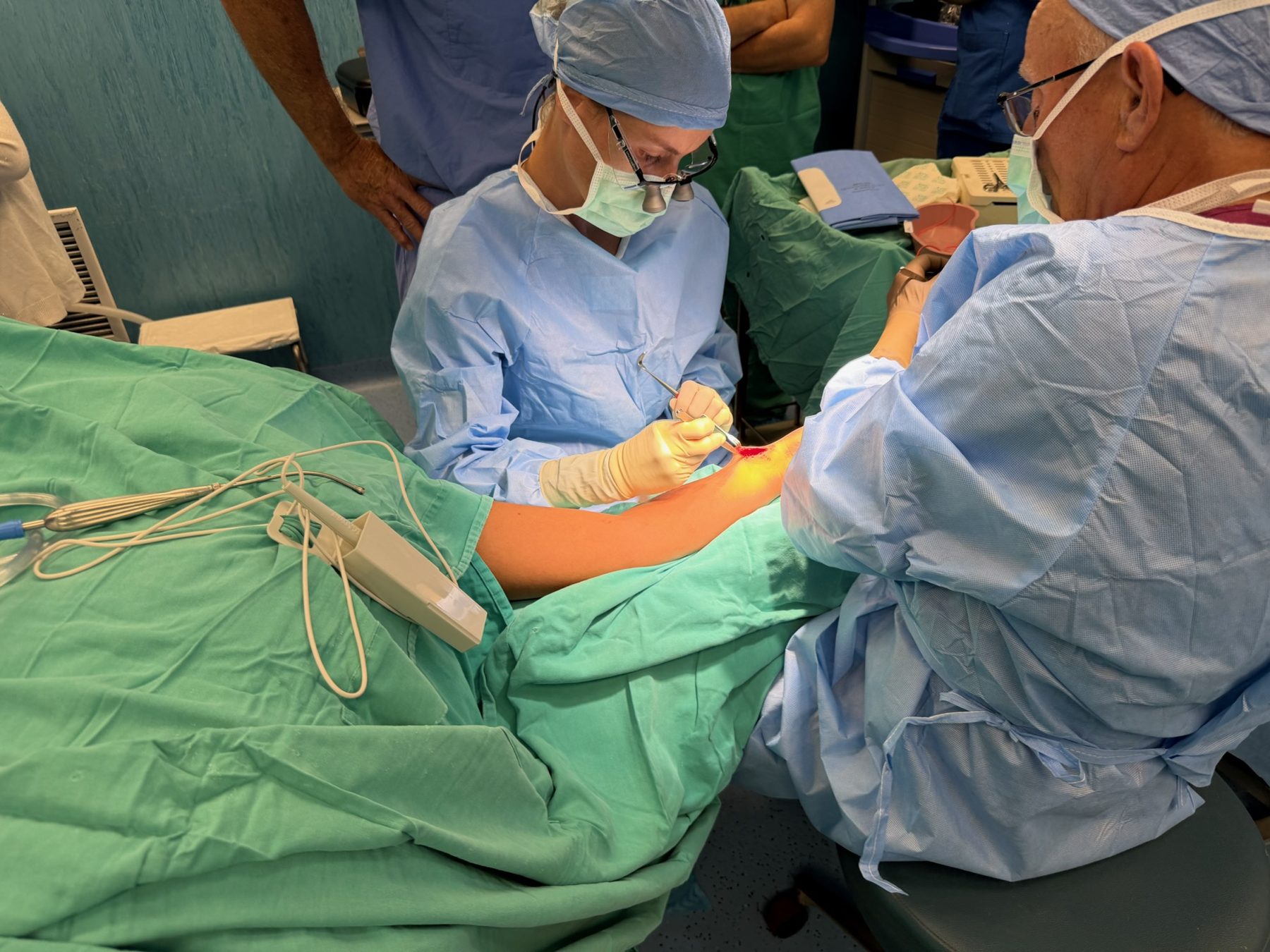
The first step is mapping the vessels so the best artery and vein can be chosen. Once those are isolated, vessel loops and bulldog clamps keep the field dry and controlled. The anastomosis itself is fine work—usually 6-0 or 7-0 polypropylene—done under loupes with Castroviejo or Potts scissors, microvascular forceps, needle drivers, rubber shods, and heparinized saline. Success is immediate and unmistakable: a palpable thrill in the vein, the low hum you can feel with two fingers.
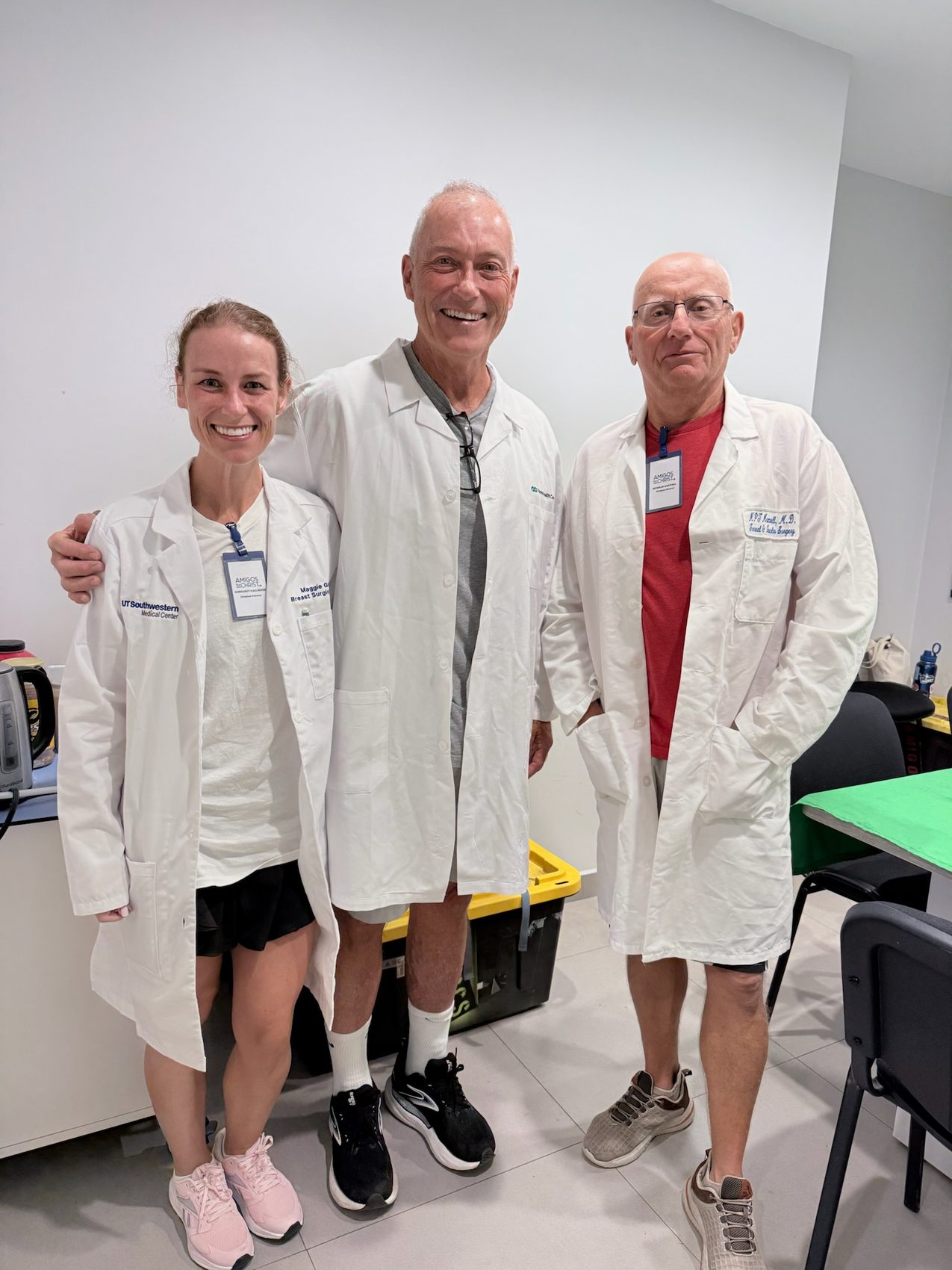
This is delicate vascular surgery. Experienced general surgeons perform it here, working shoulder to shoulder with Nicaraguan colleagues in the same rooms. Nicholas Peter Maxwell and Margaret Eileen Gallagher operate as the primary fistula surgeons. Thomas James Gallagher assists—extra hands at the table, not the lead unless asked.
- Vessel mapping
- Vessel loops
- Bulldog clamps
- 6-0 / 7-0 polypropylene
- Surgical loupes
- Castroviejo / Potts
- Microvascular forceps
- Needle drivers, shods
- Heparinized saline
07
Awake
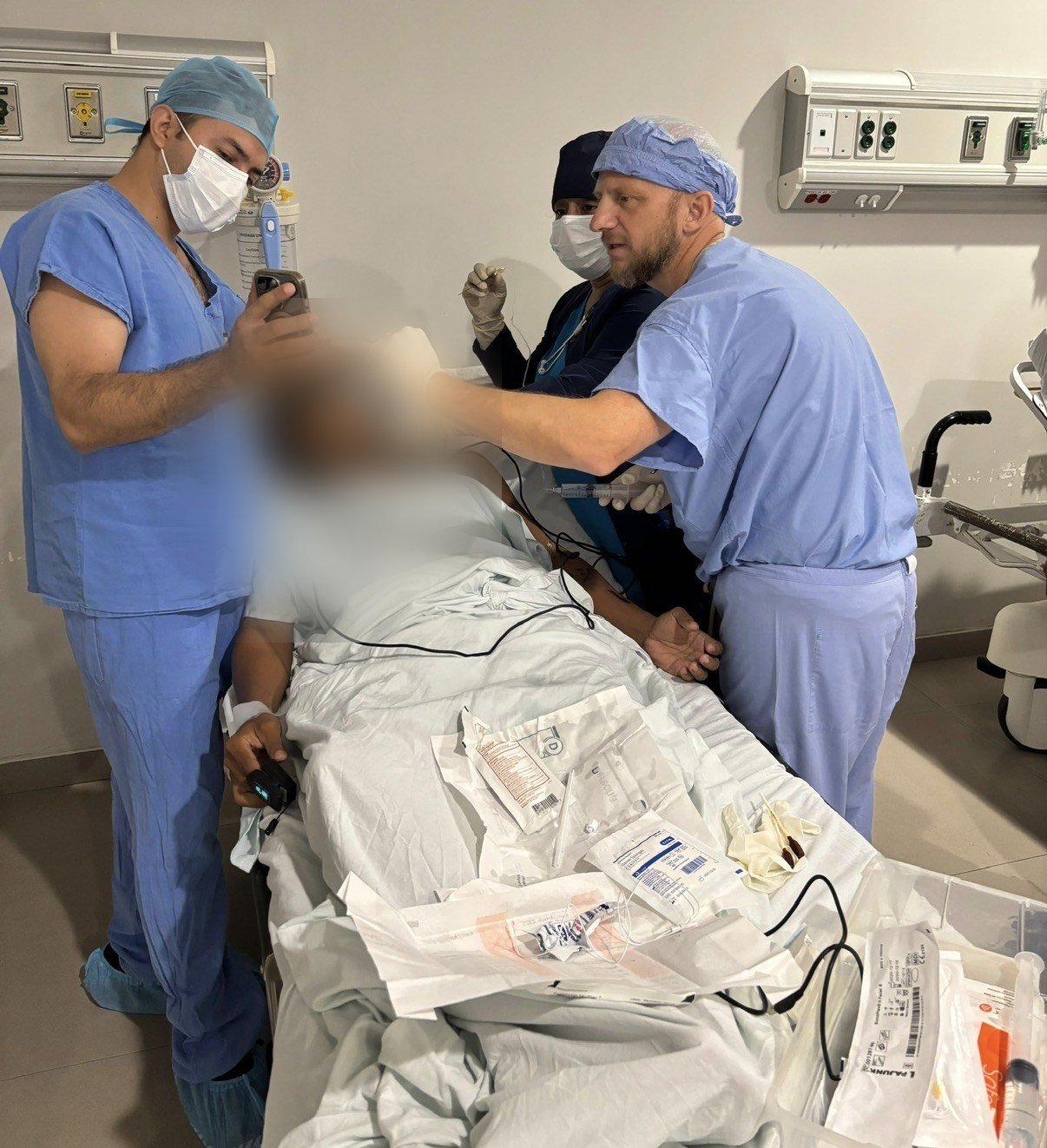
Most of these operations are done awake. Jared E. Boyd, the anesthesiologist, places a brachial-plexus block (axillary, supraclavicular, or similar) and local anesthetic at the field. We avoid general anesthesia when we can. Kidney failure already taxes the heart, potassium, and fluid balance. A quiet, numb arm is often enough, and the block helps with pain afterward.
The block is guided with a Butterfly iQ+ handheld ultrasound, a probe that plugs into a phone, so the image travels with the team instead of a cart.
08
How the week ran
Hospital protocol here is not the U.S. same-day fistula. Patients come in the night before and go home the day after: two nights in a bed, families in the hallway. Across those operating days, we created 25 arteriovenous fistulas.
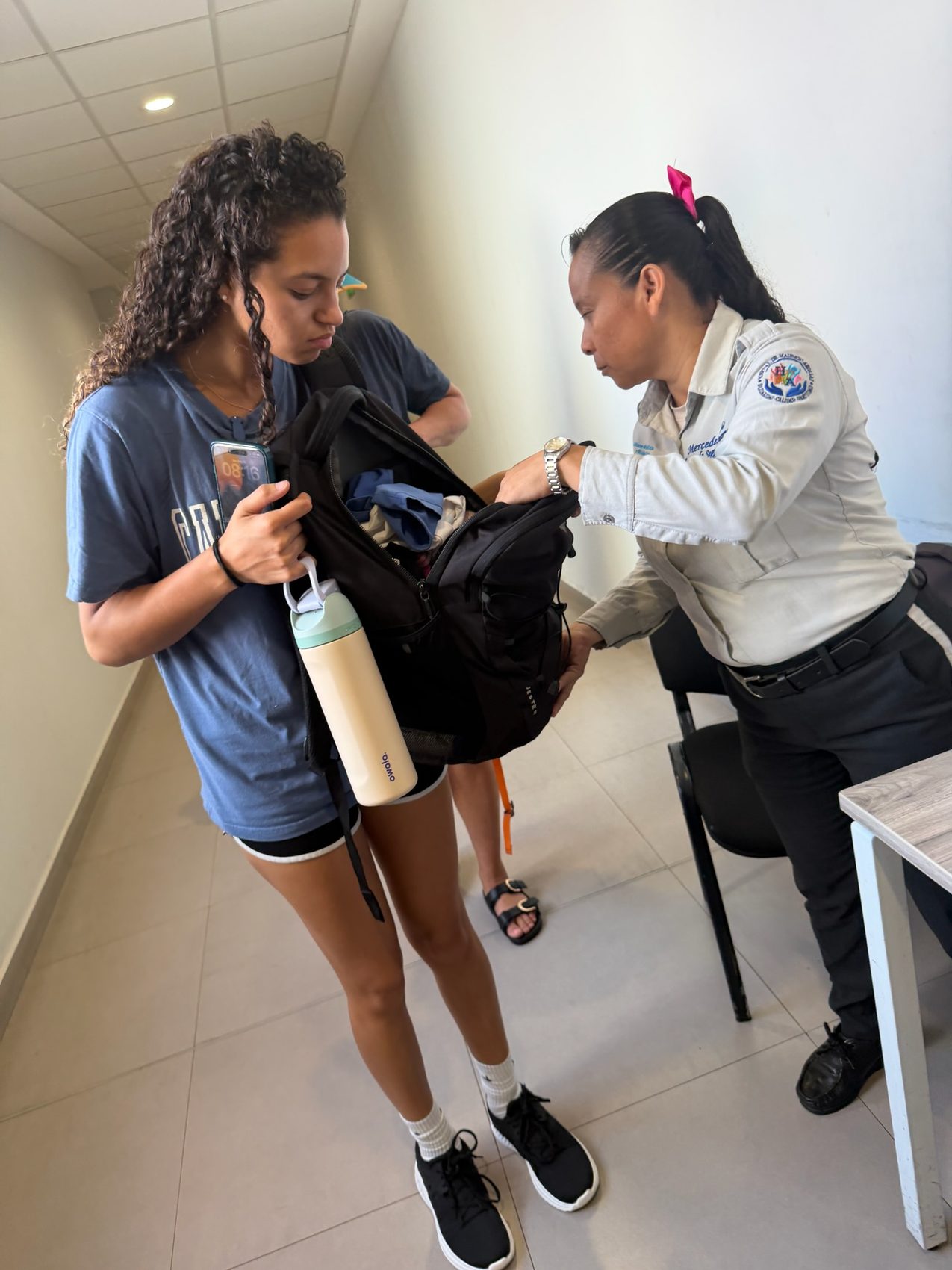
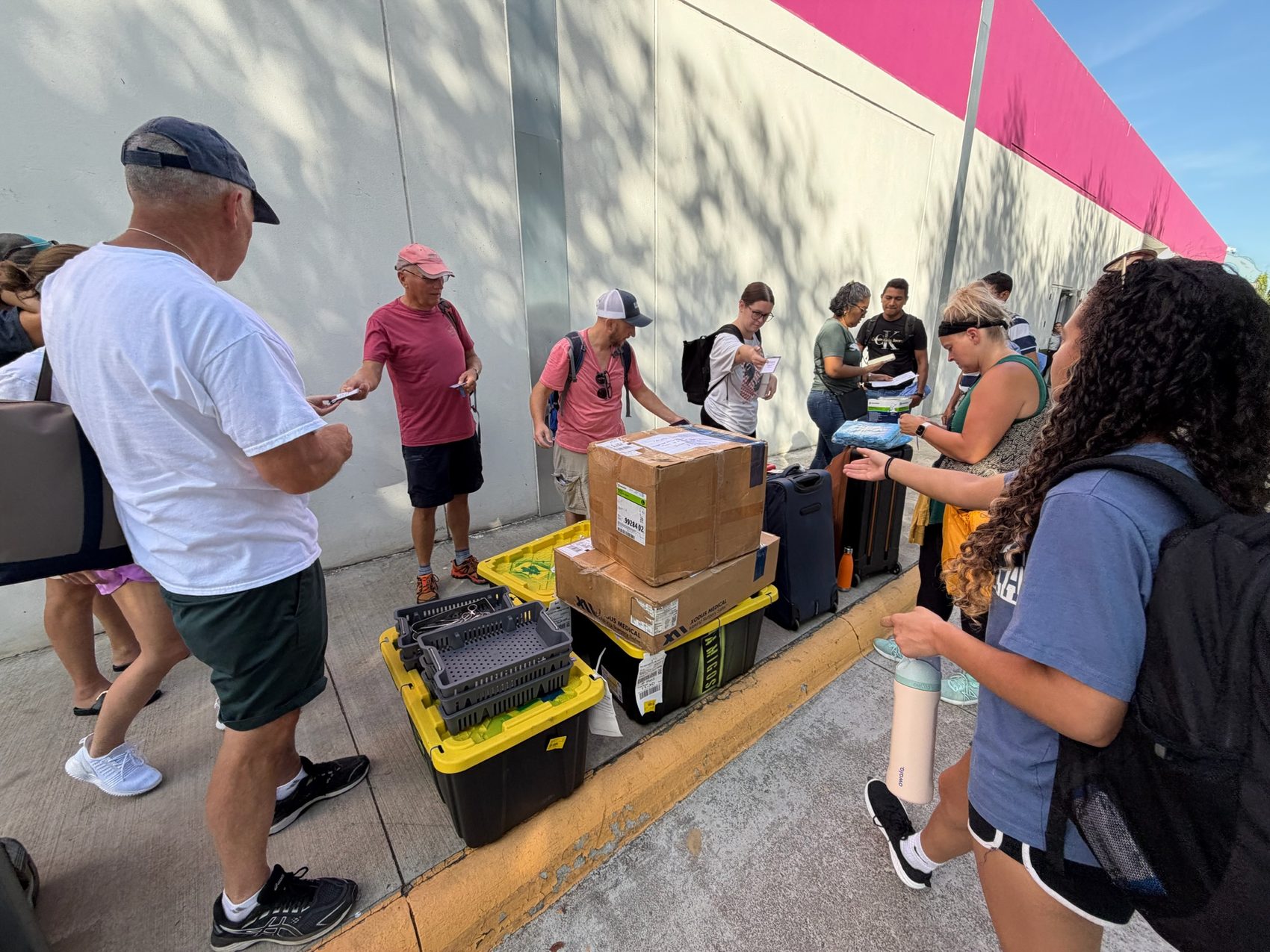
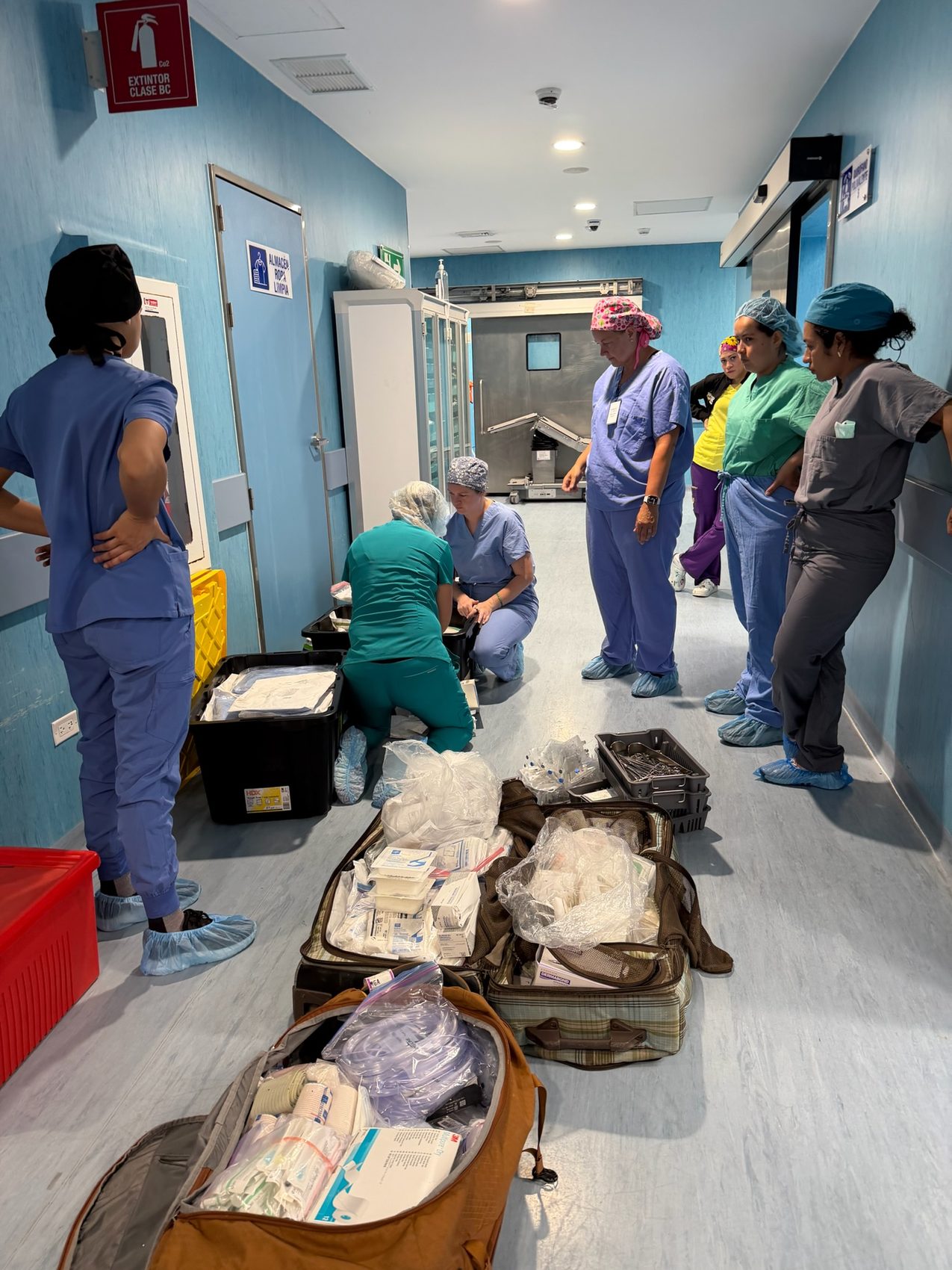
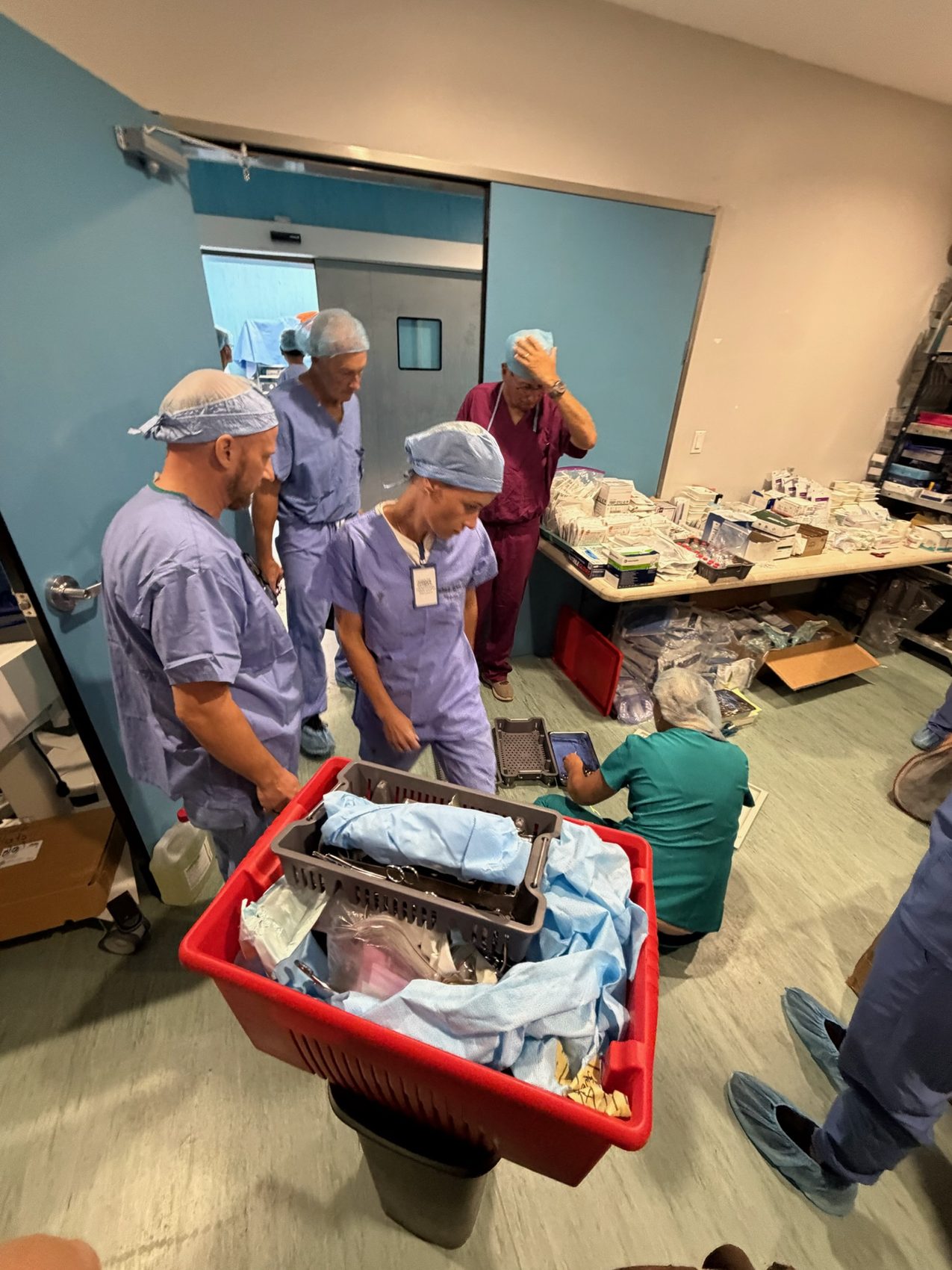
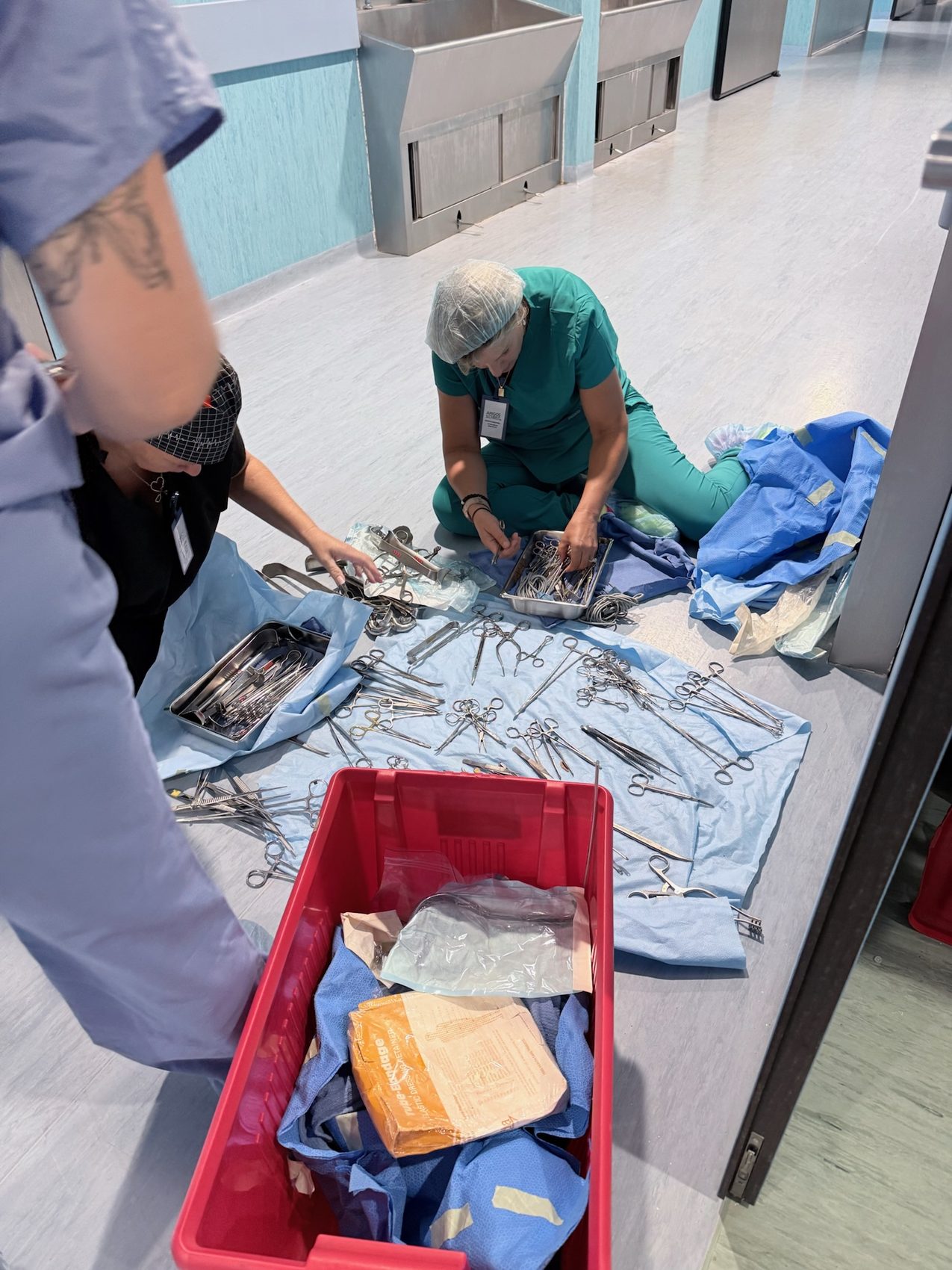
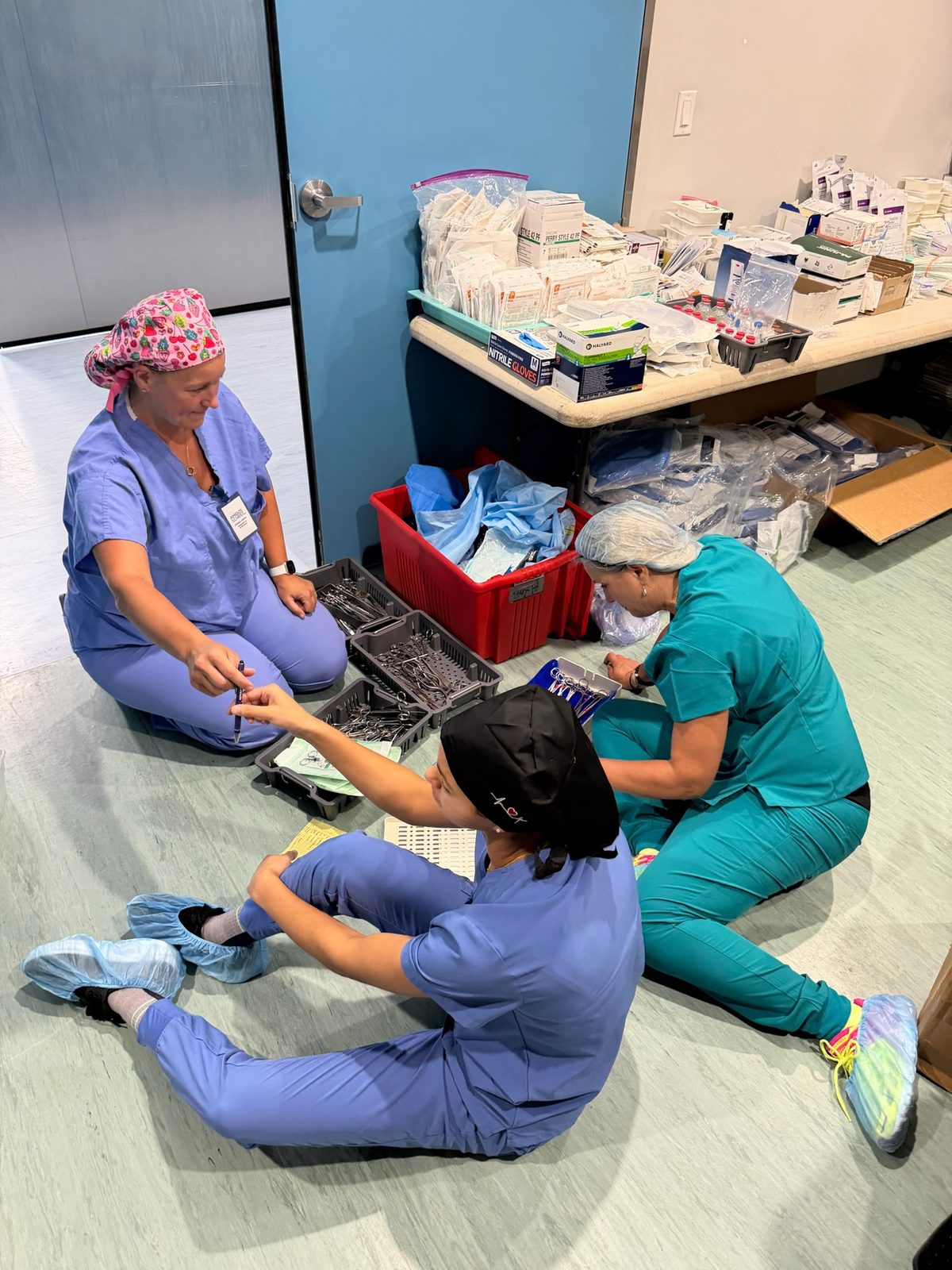
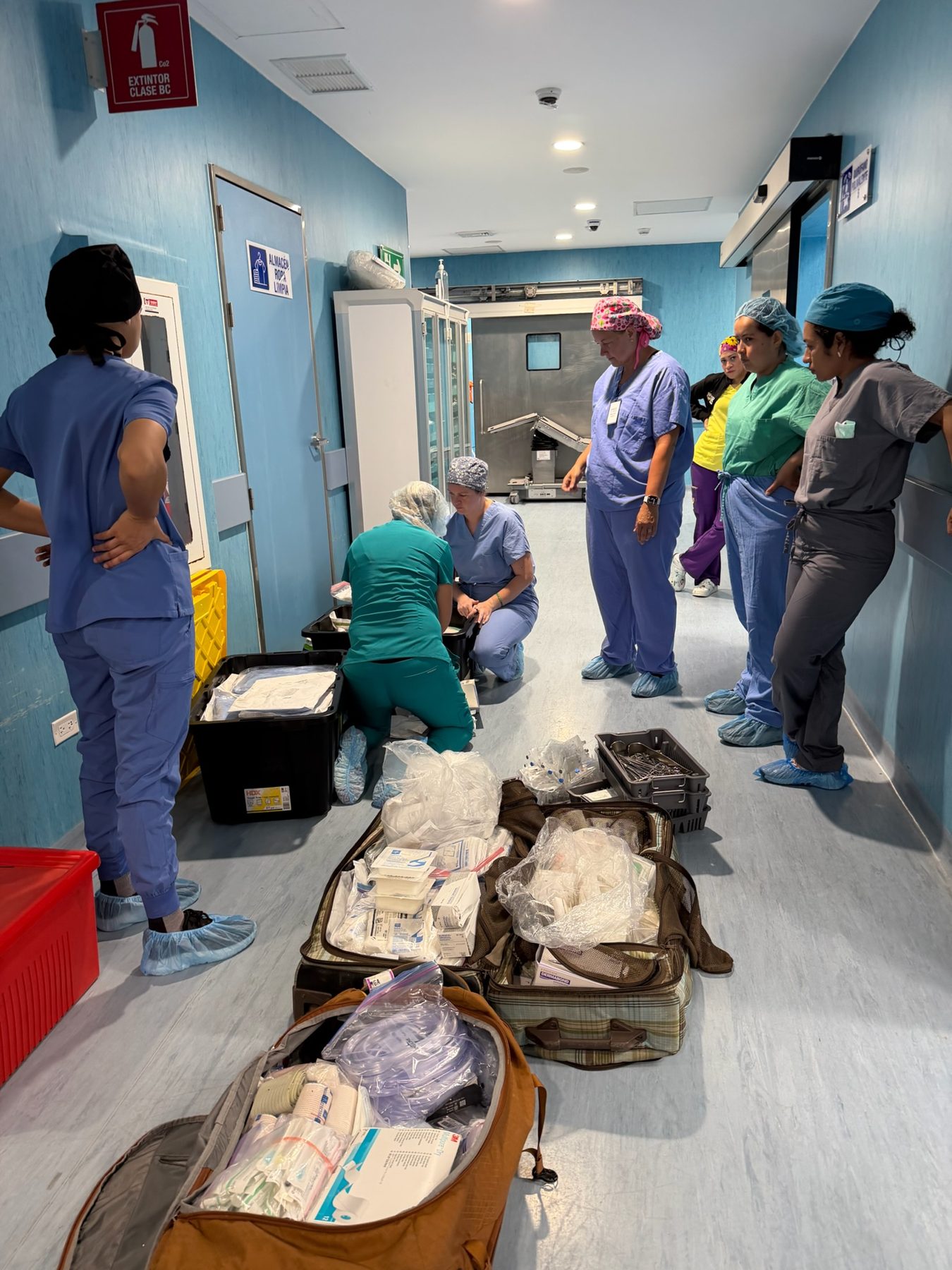
- Sunday · setup Pre-screening in two consult rooms. OR setup. Instruments to sterilize. Materials to the hospital at 8:00 a.m.
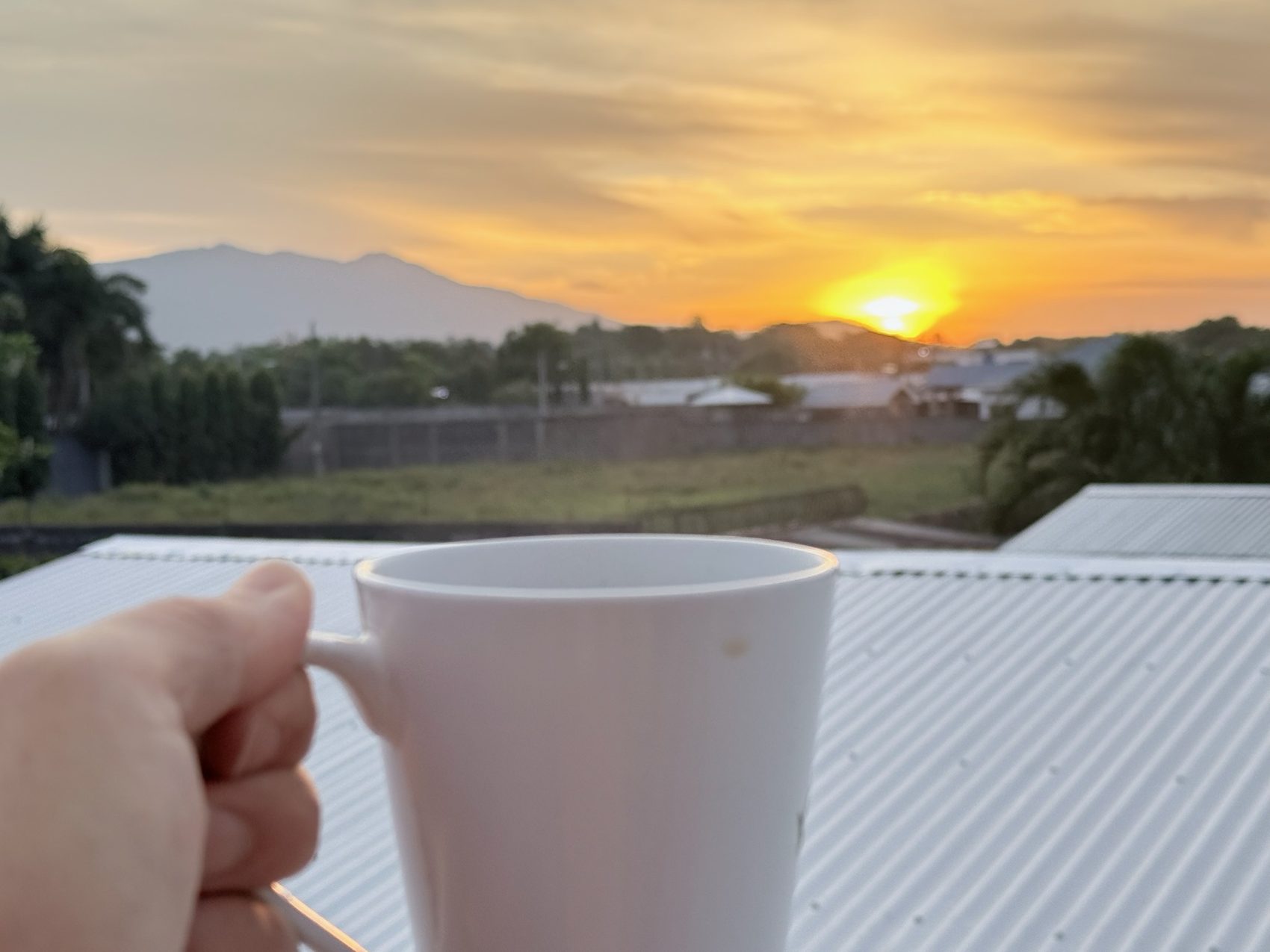
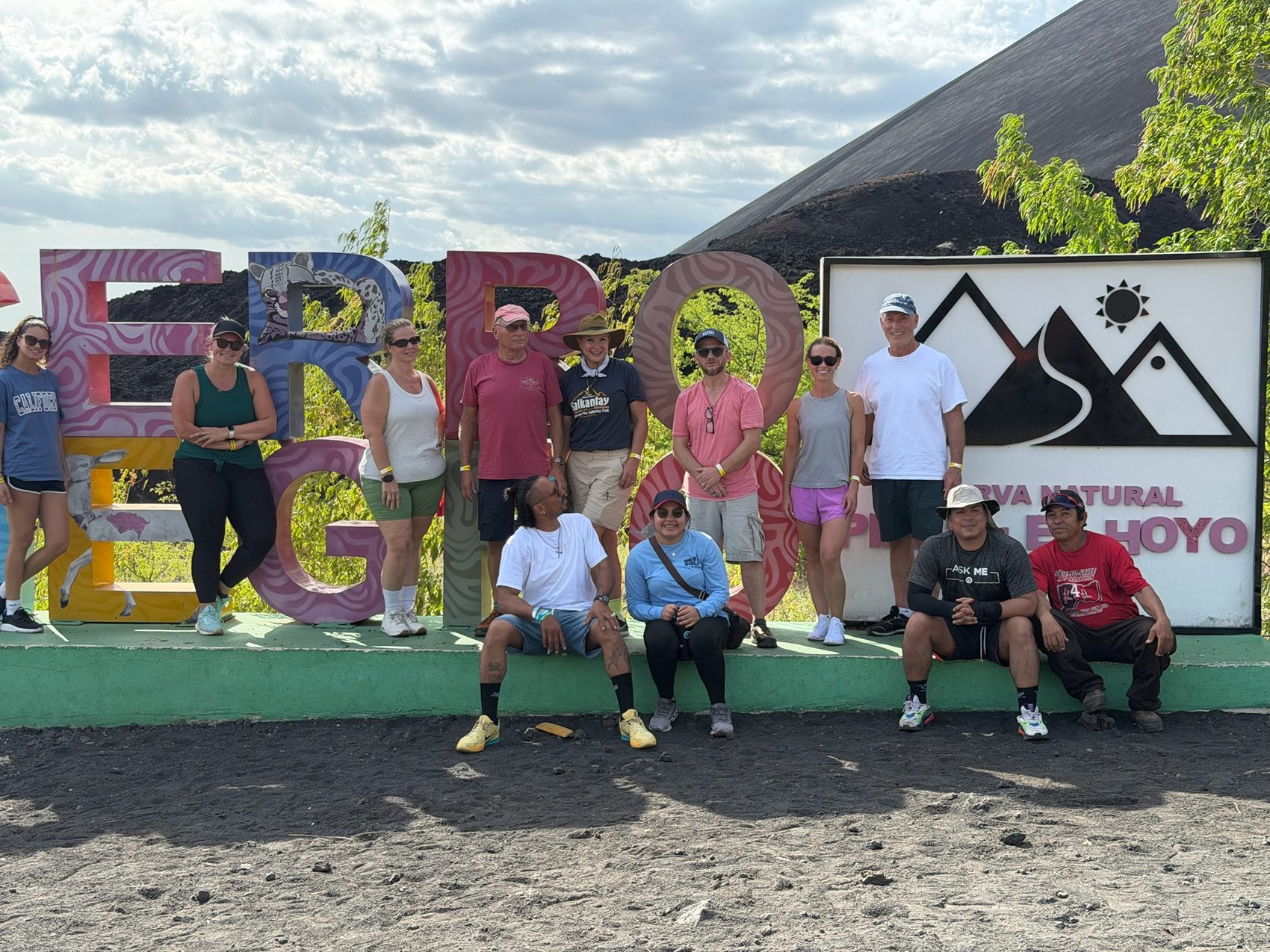
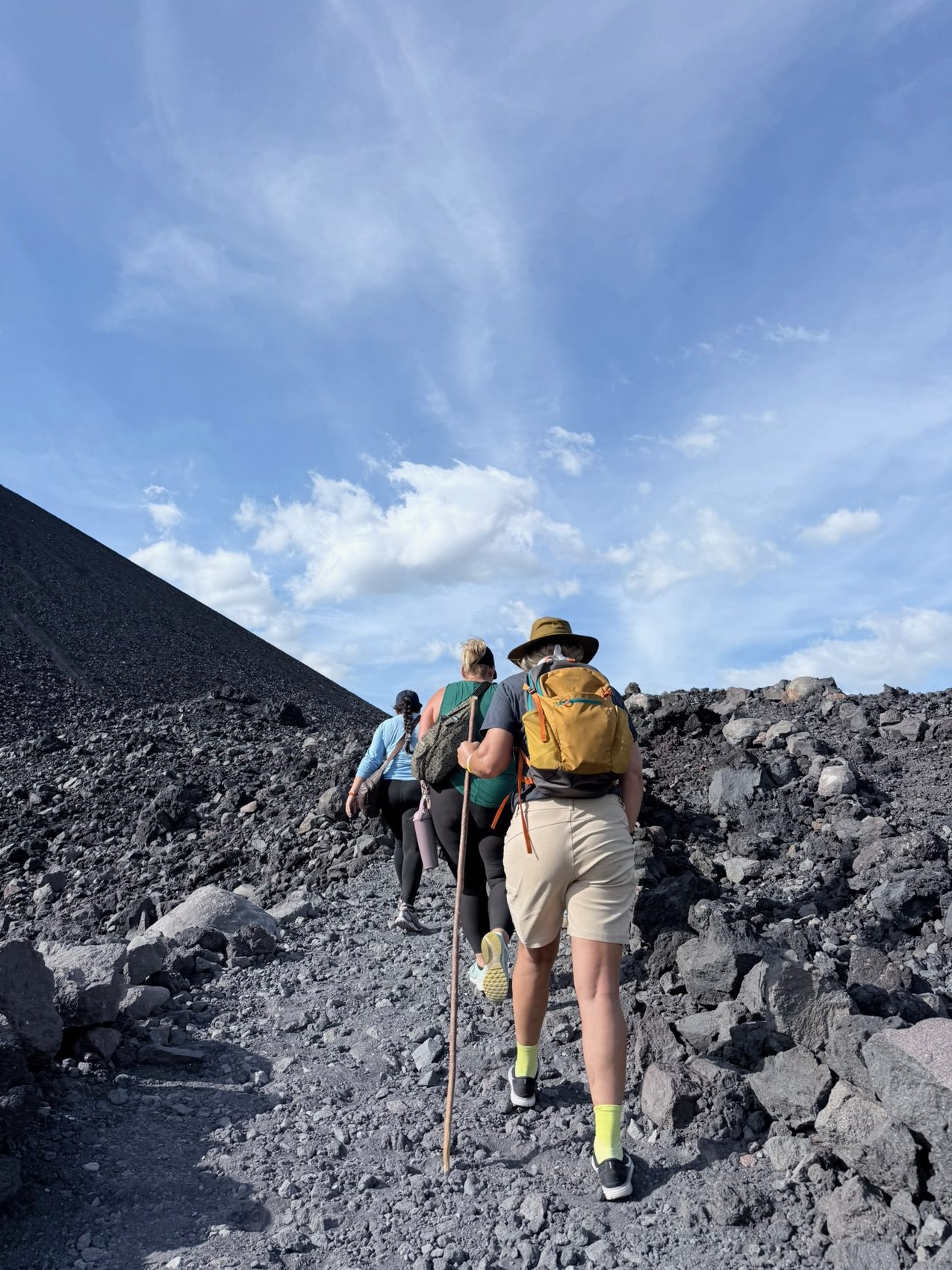
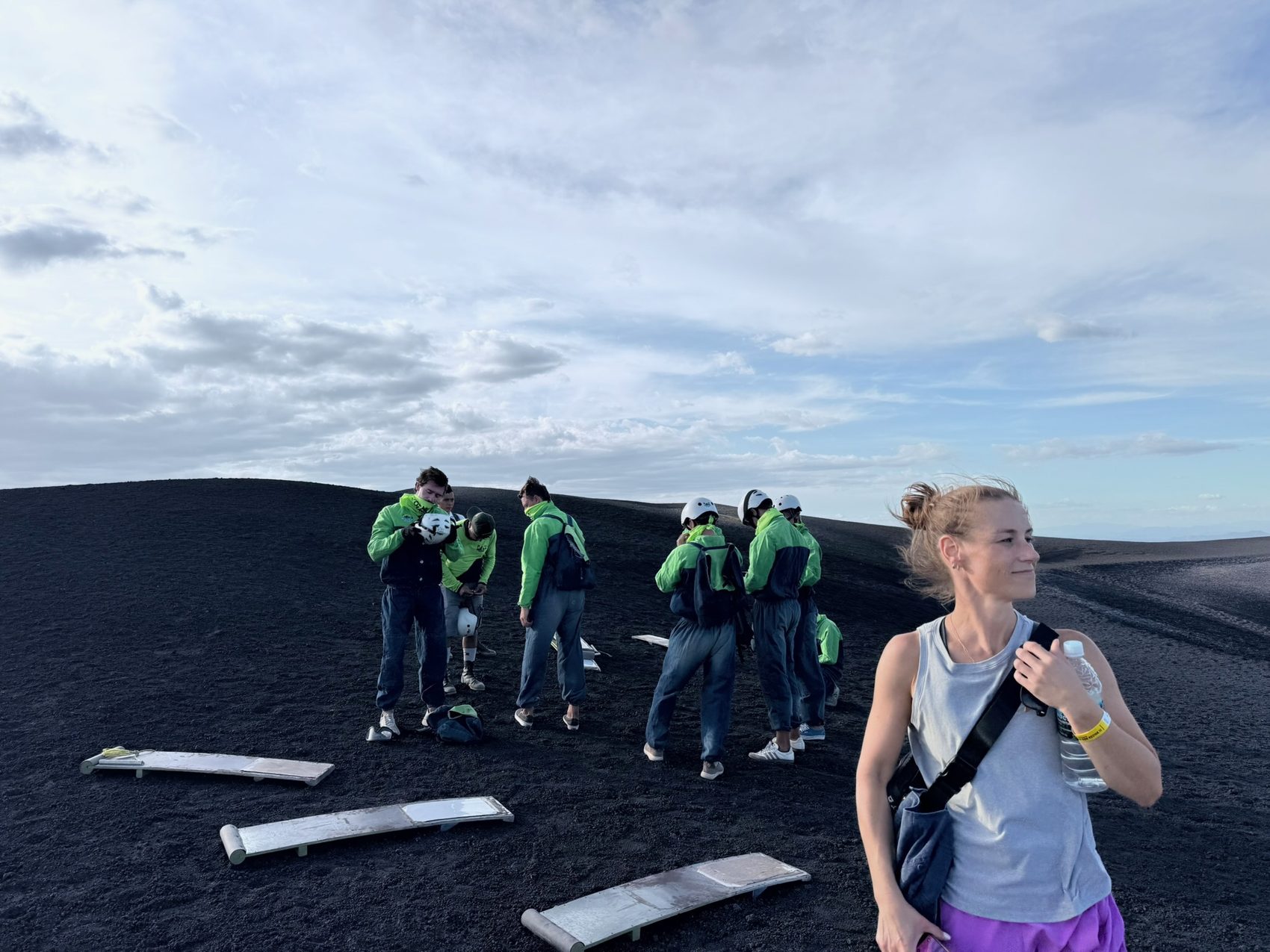
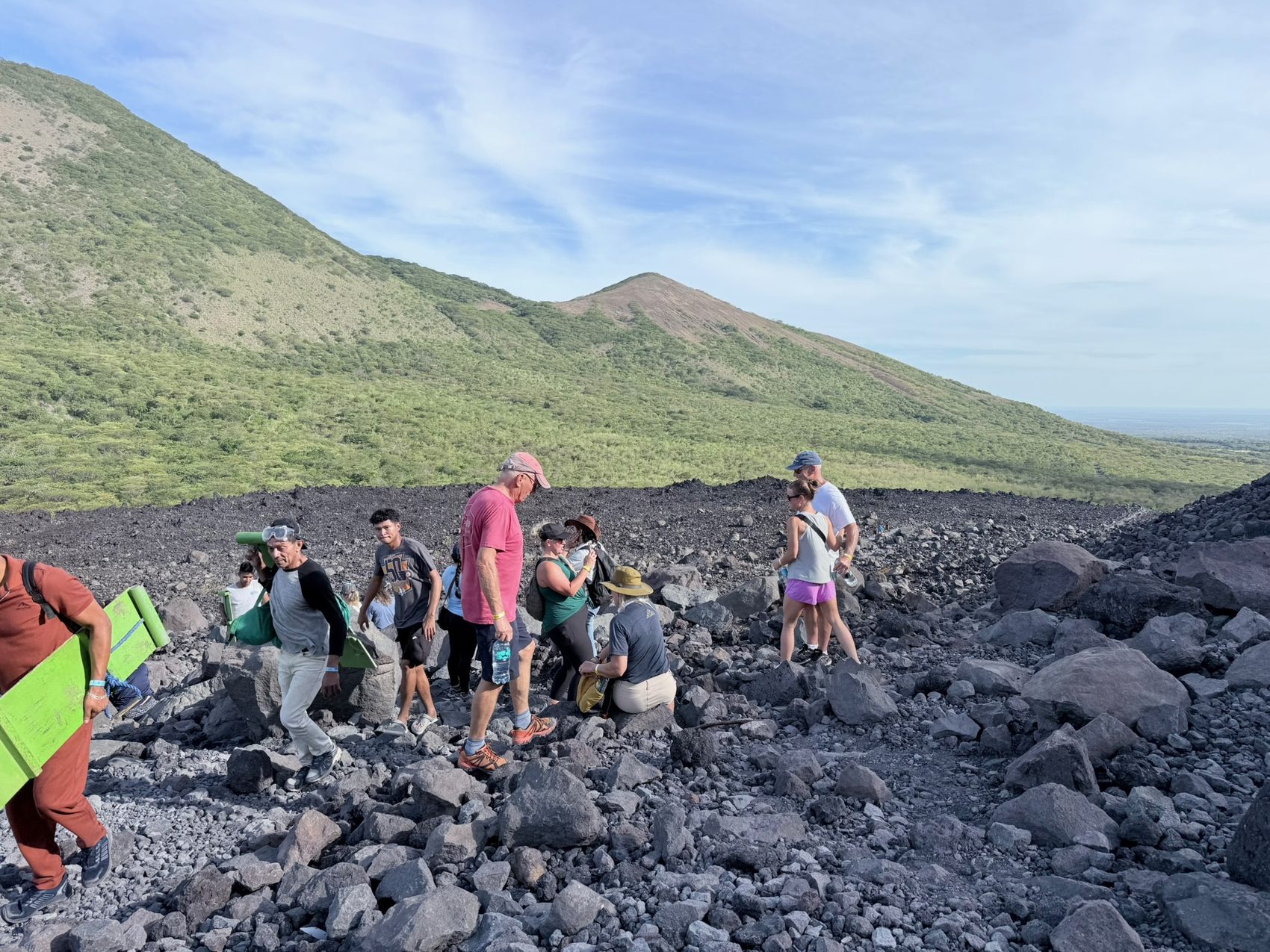
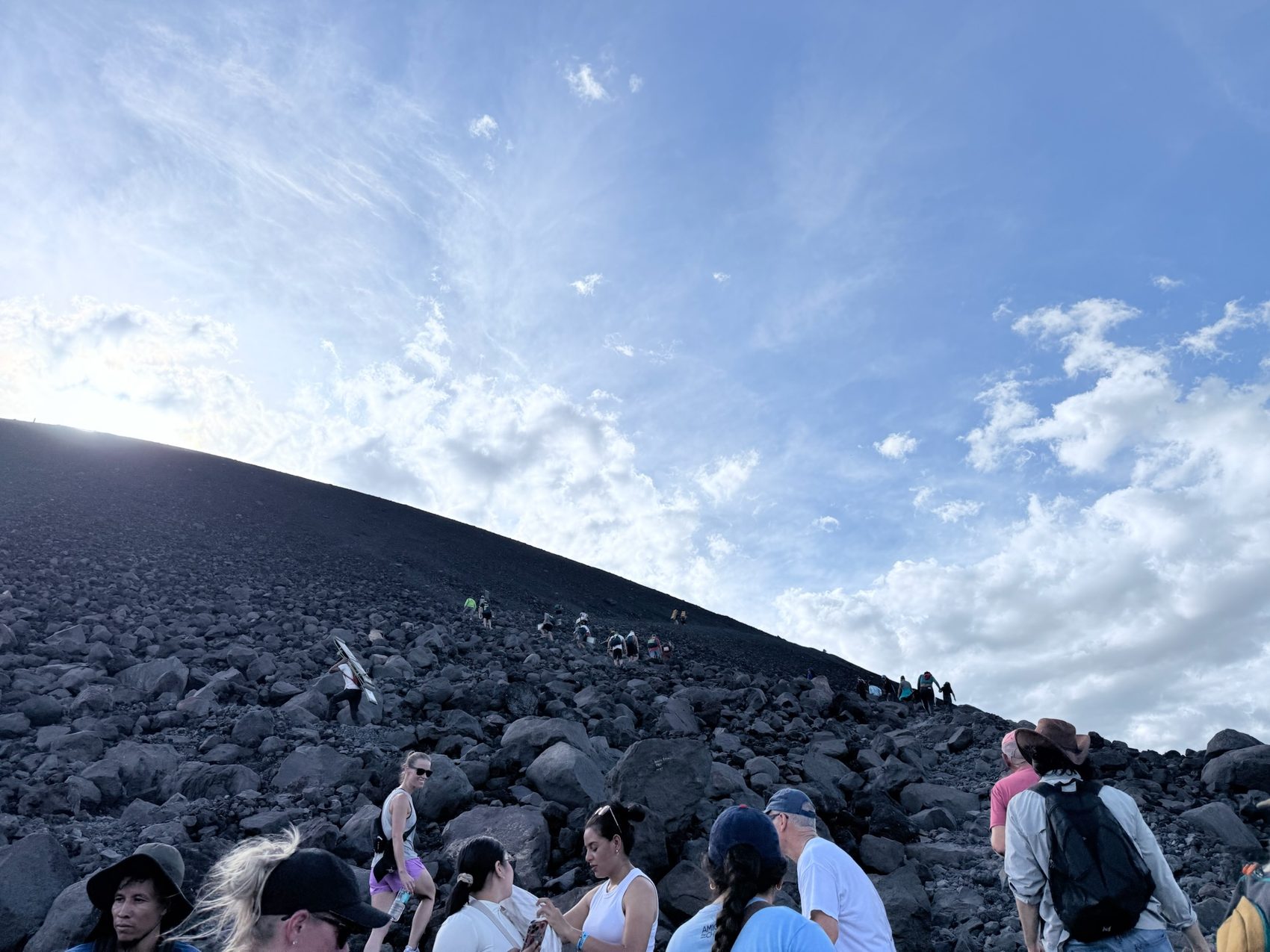
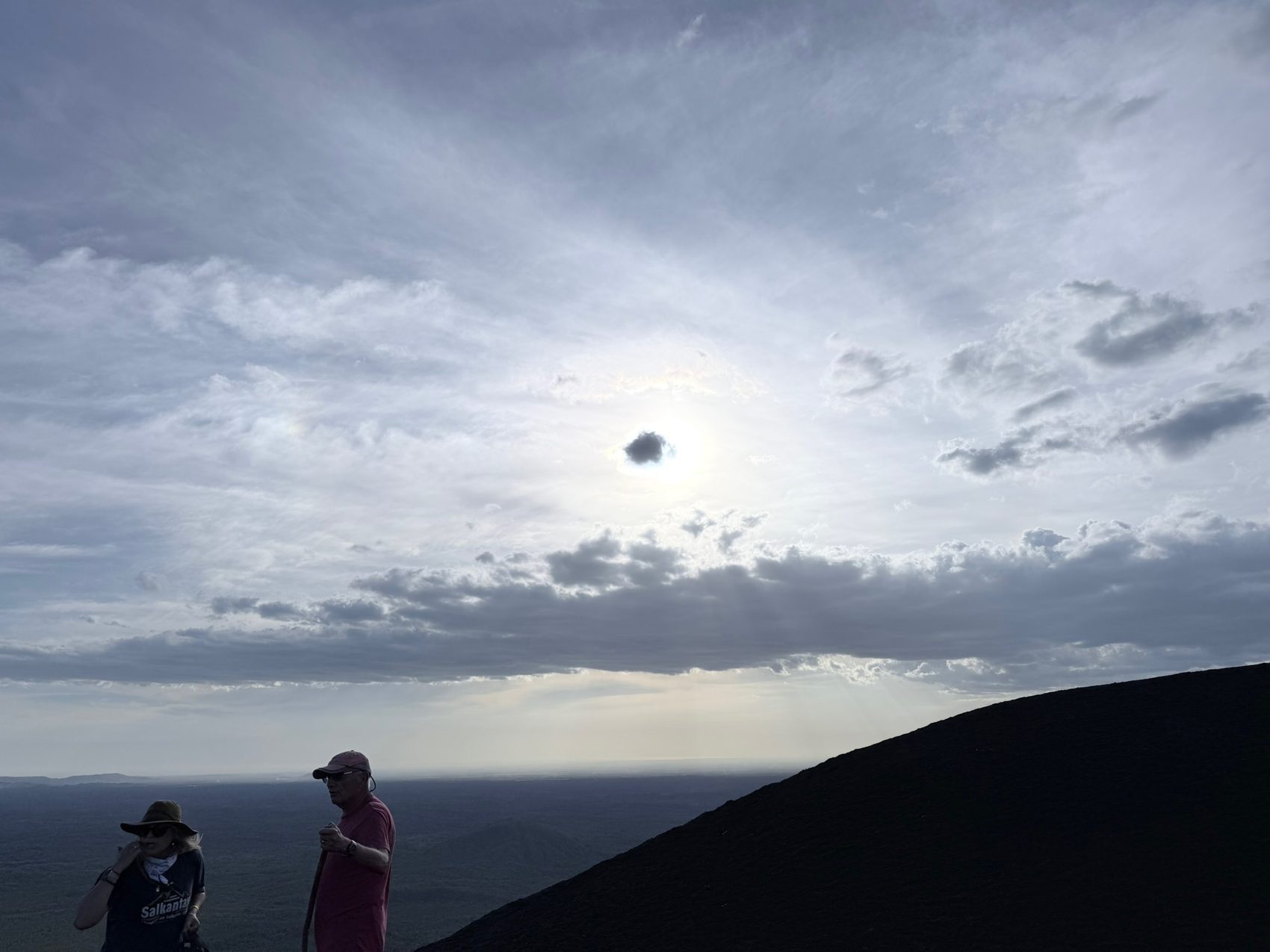
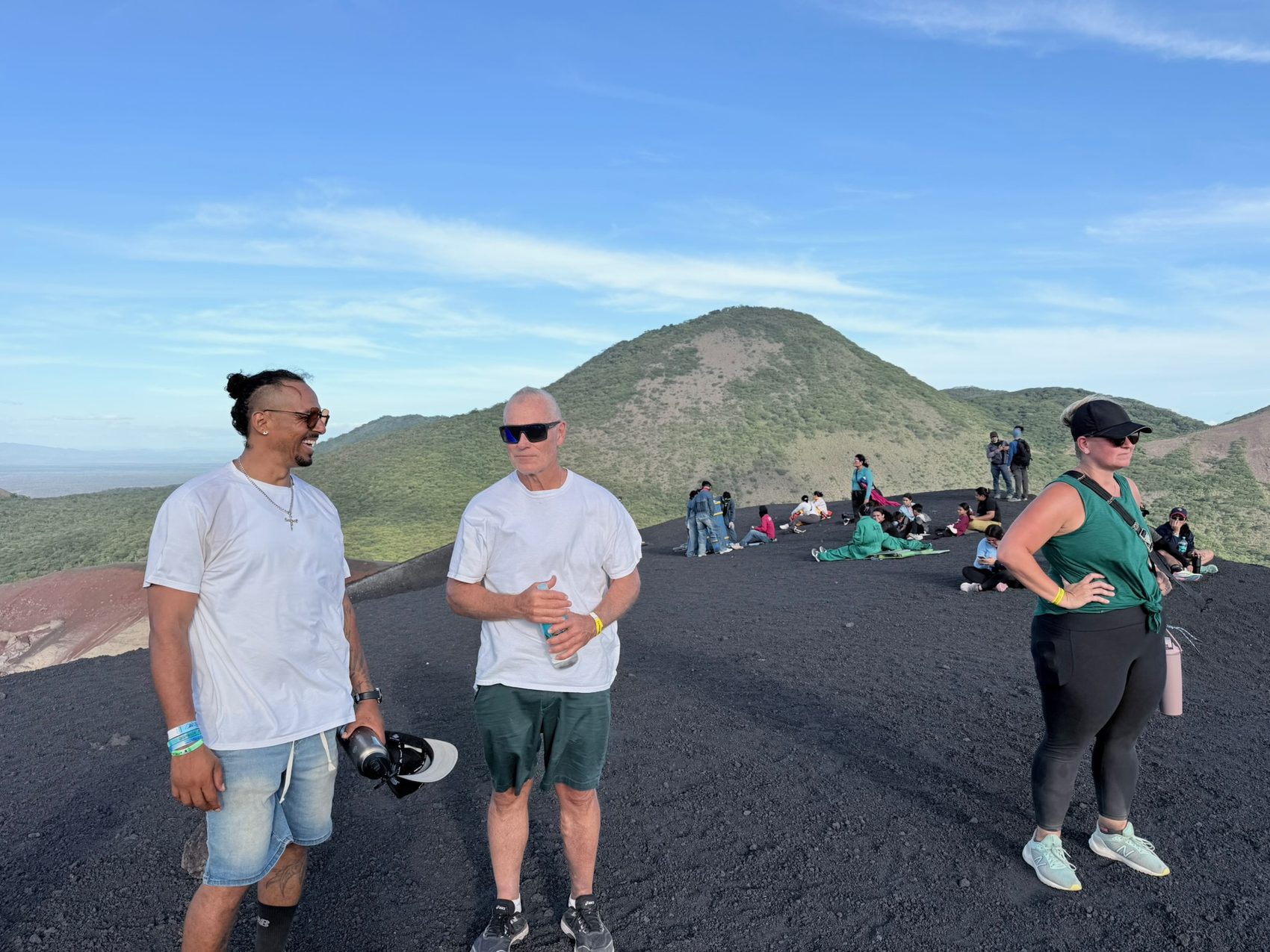
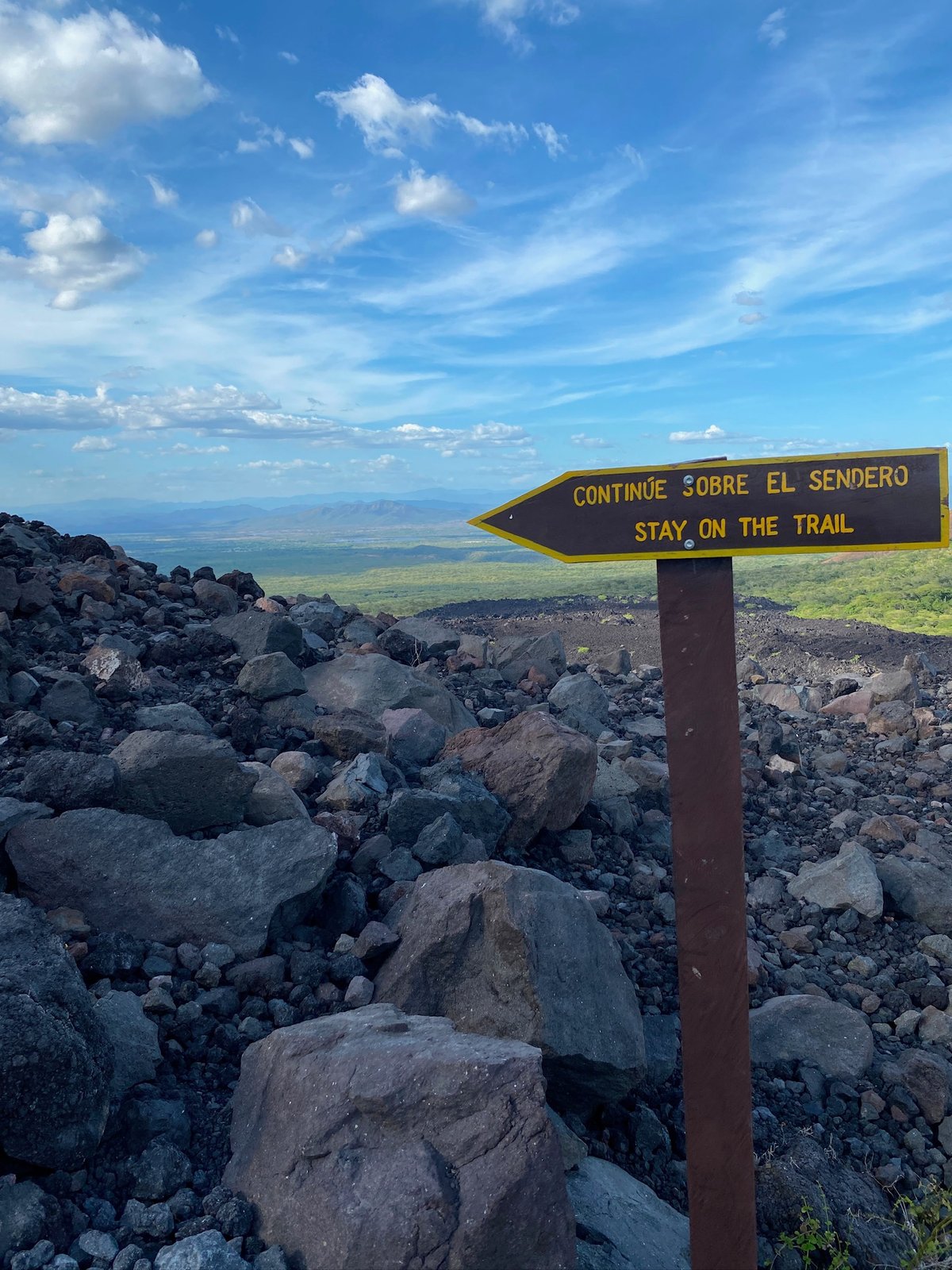
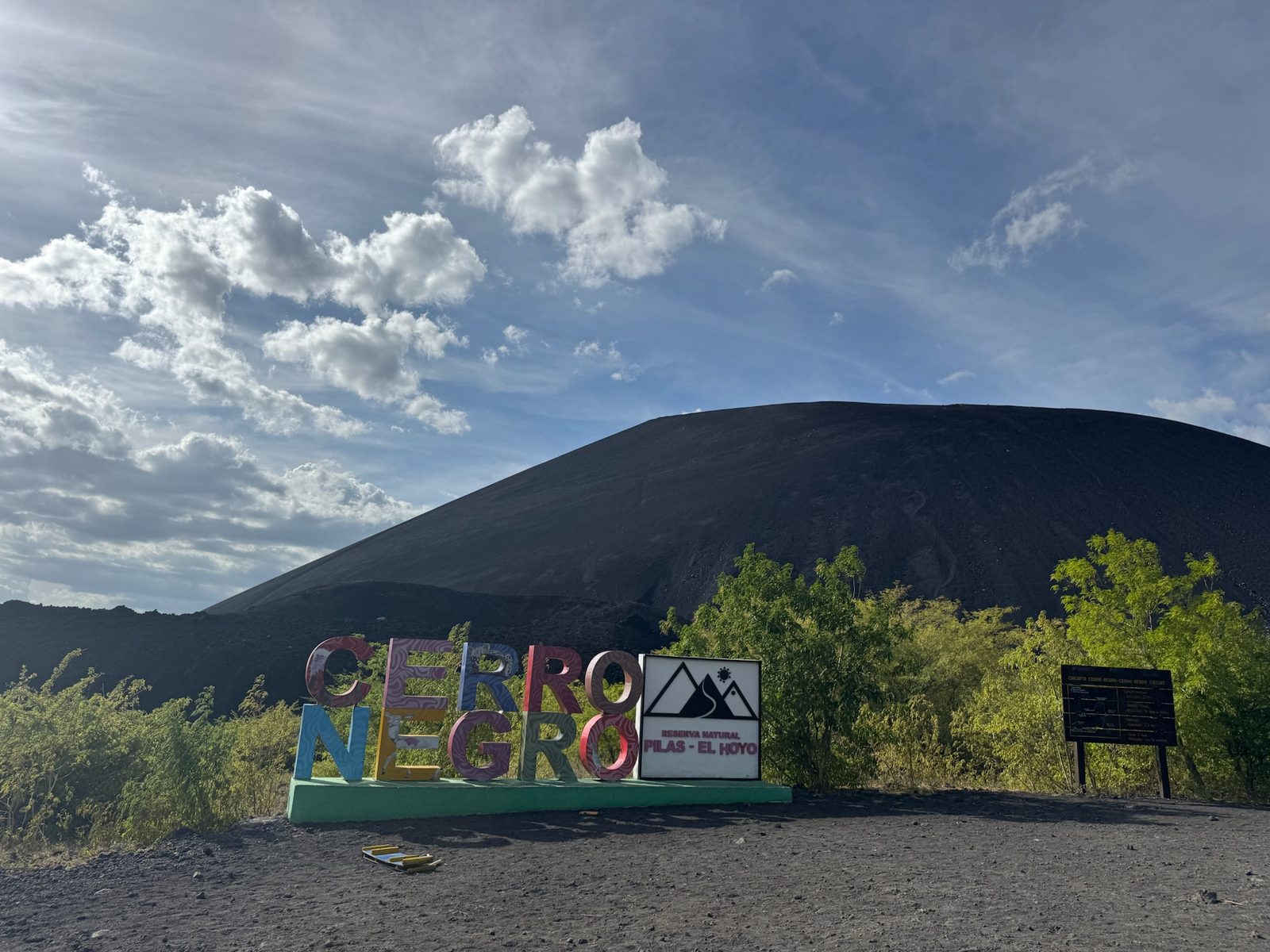
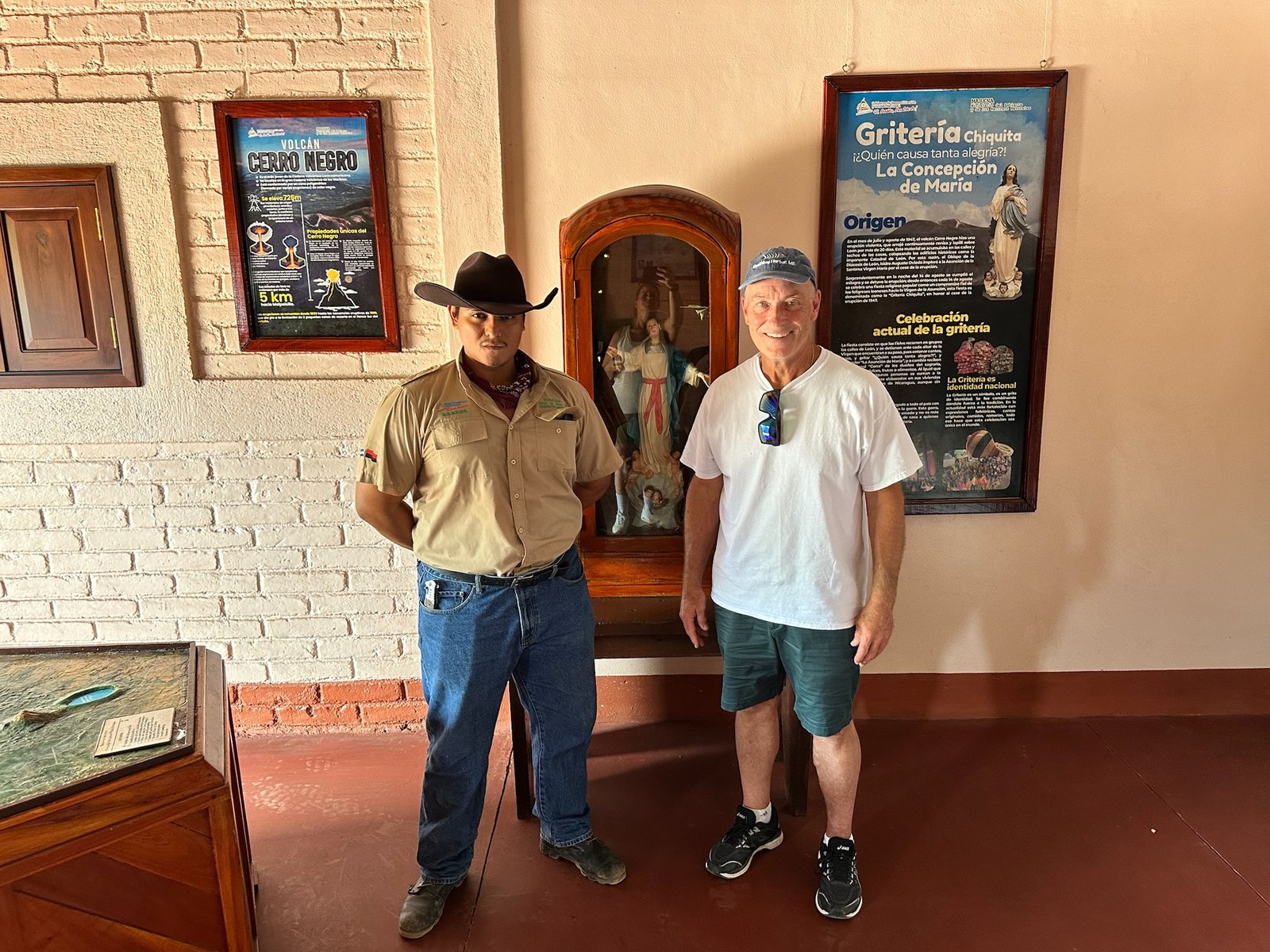
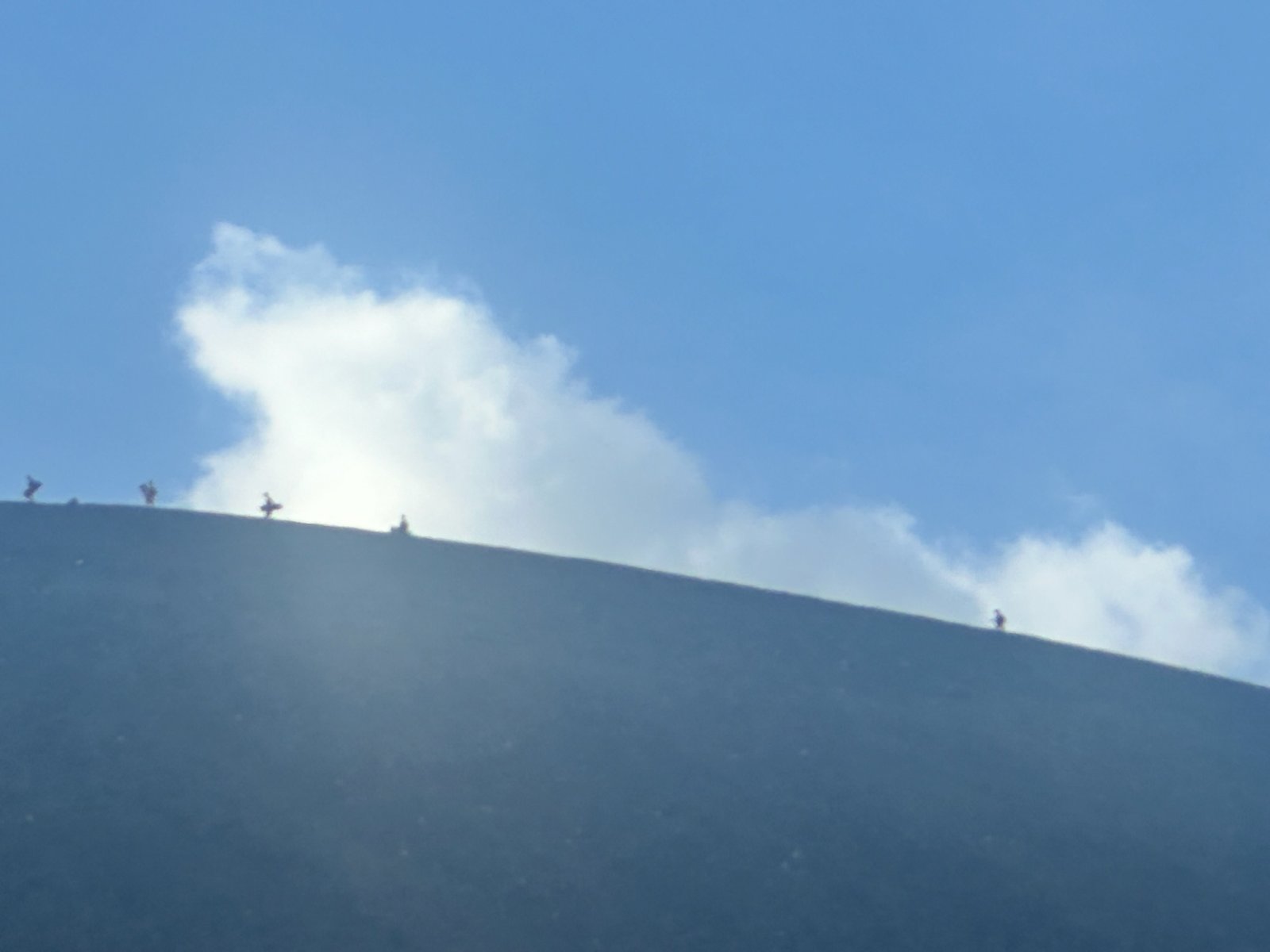
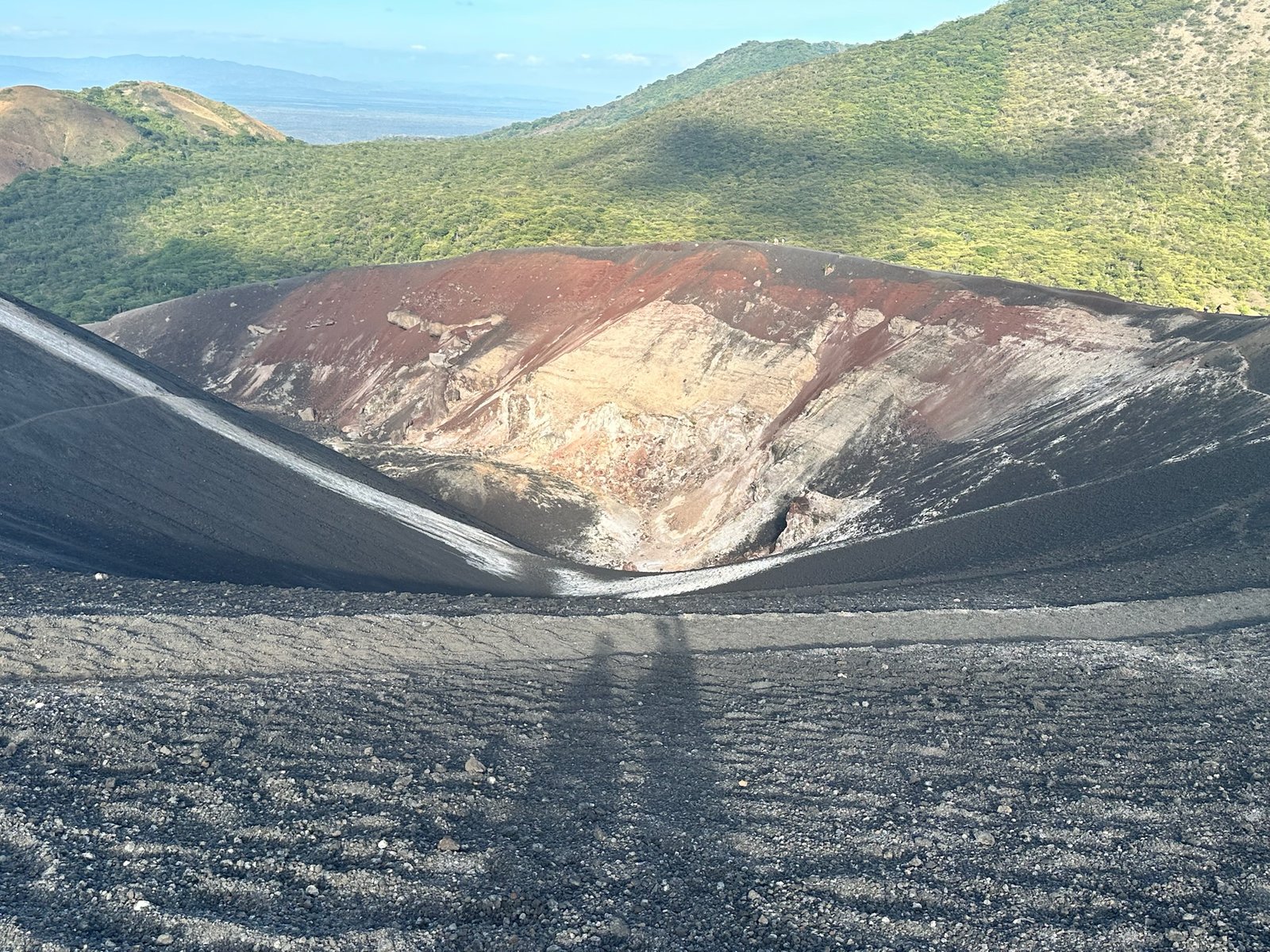
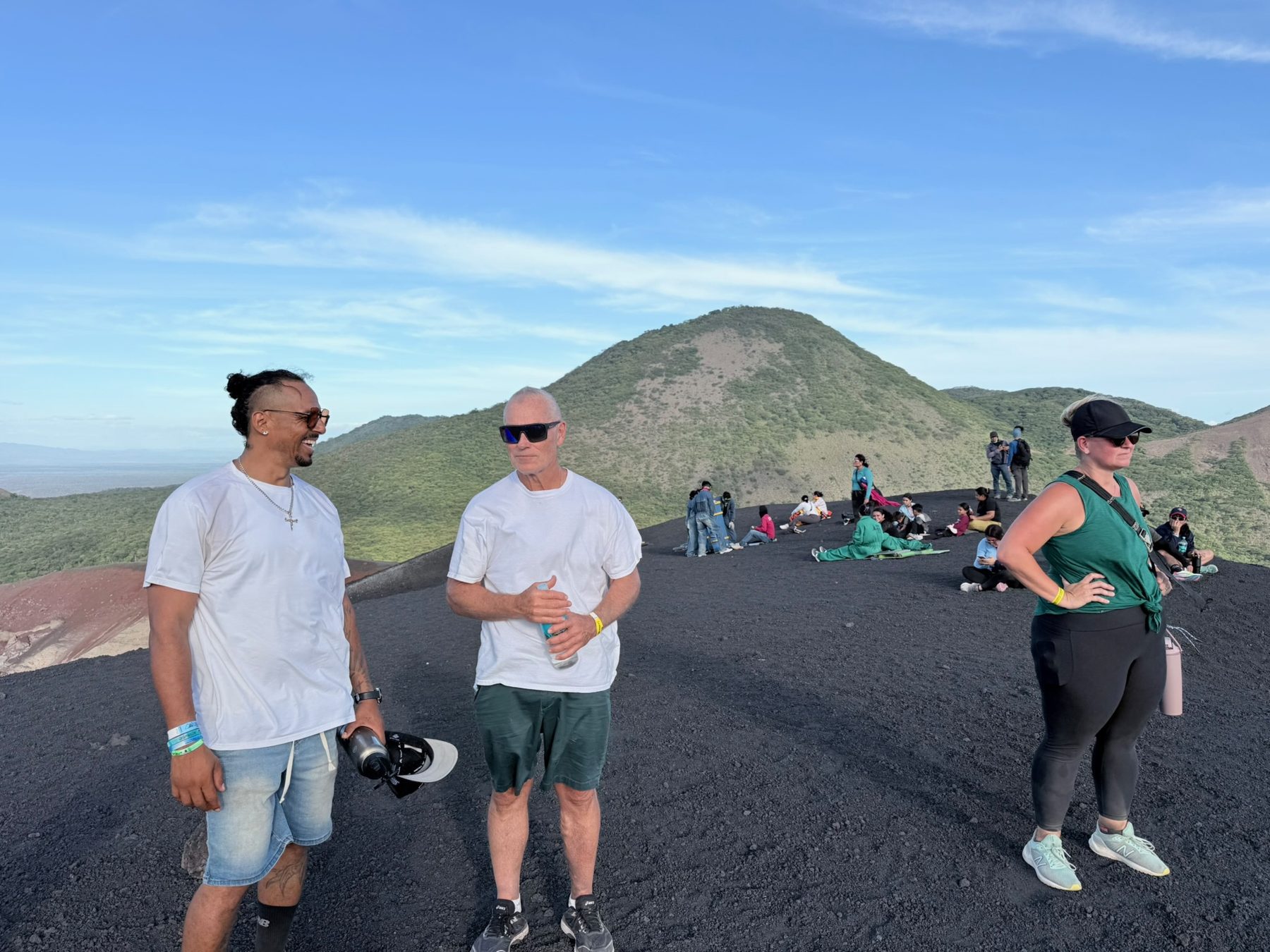
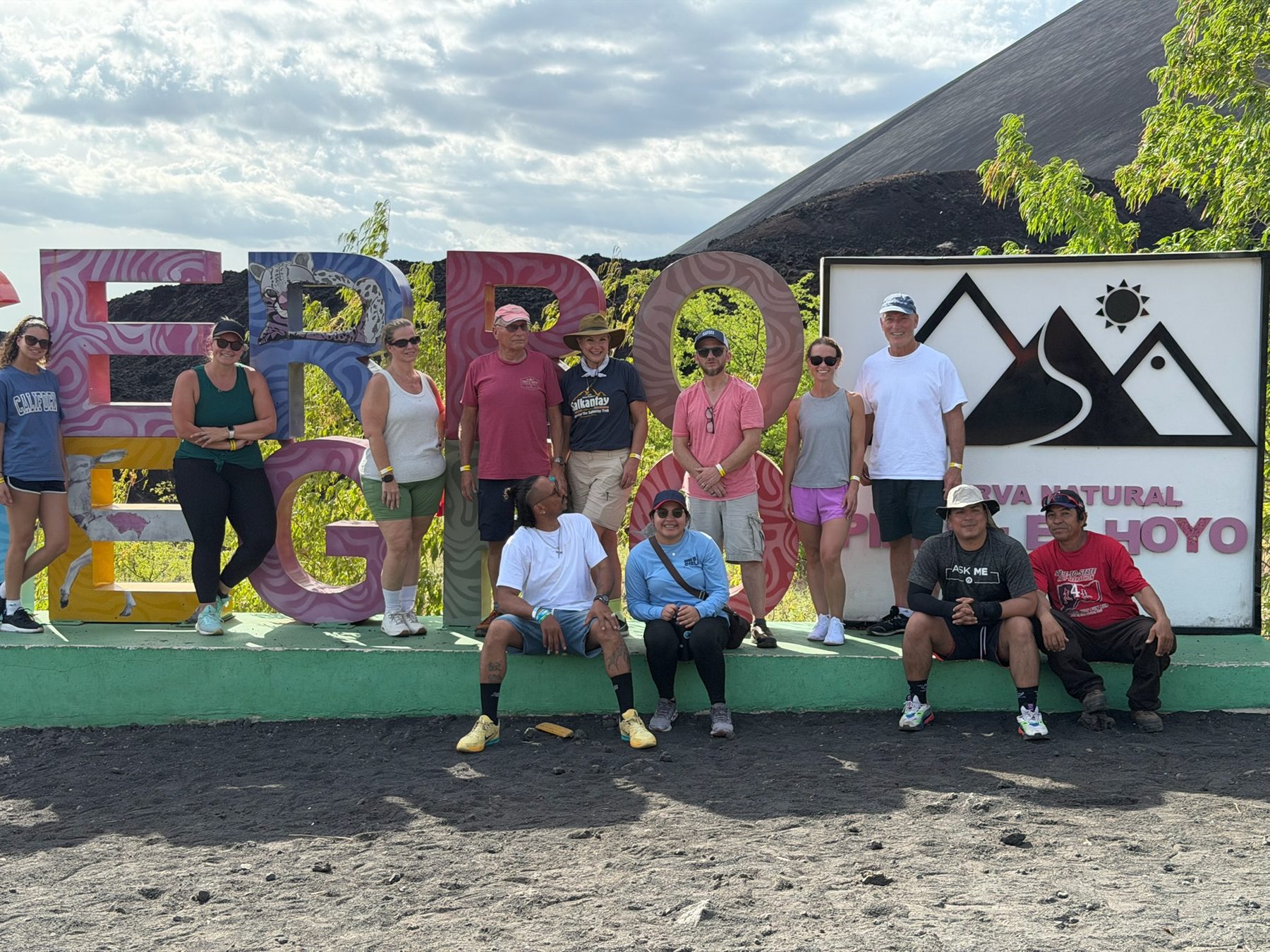
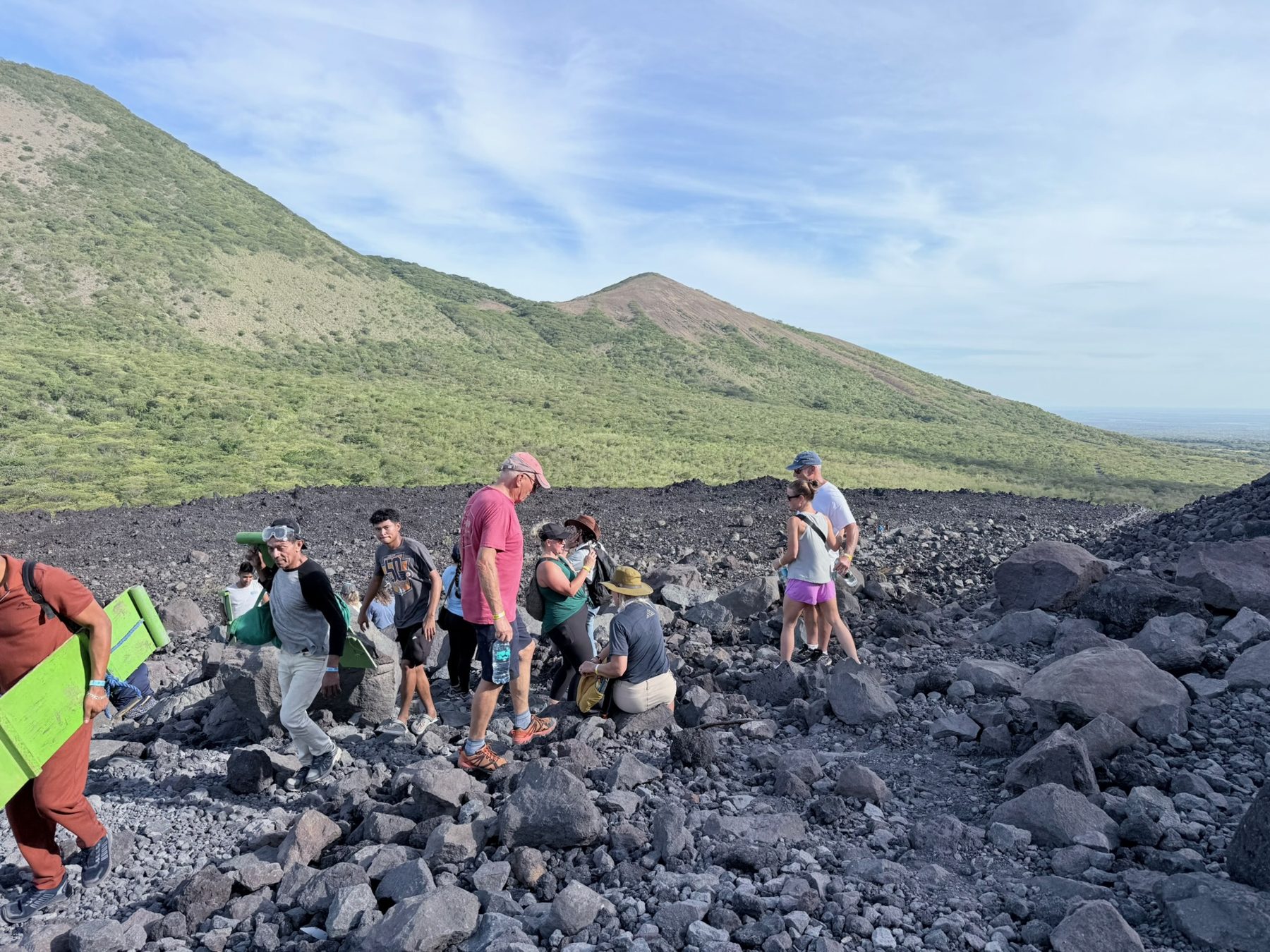
- Sunday · after the rooms are ready A climb at Cerro Negro, Reserva Natural Complejo Volcánico Pilas–El Hoyo. Ash underfoot, boards on shoulders, the week still ahead.
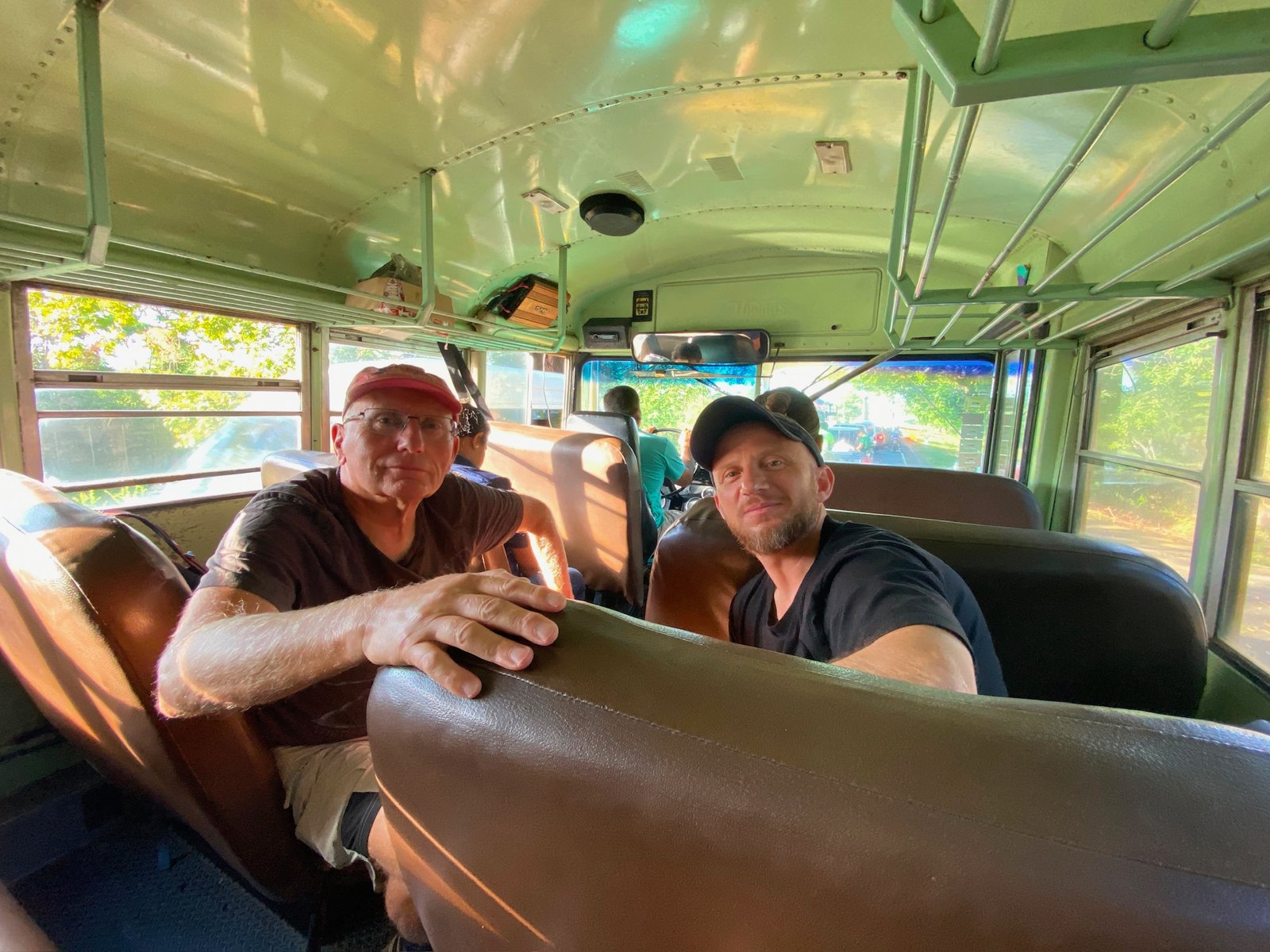
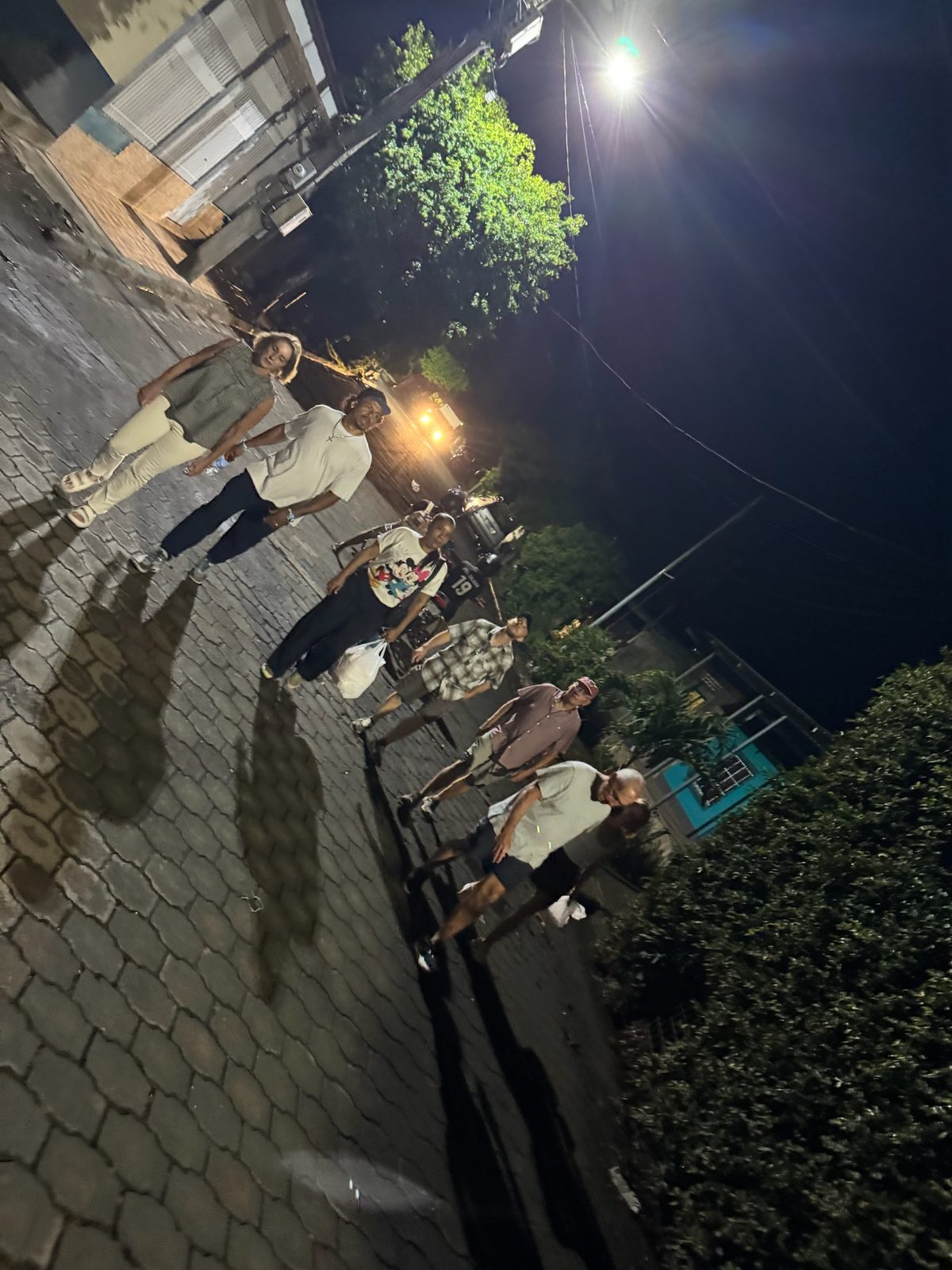
- Monday–Friday · operating days We left the compound about 6:30 a.m. after breakfast and worked until the list was done. Evening devotionals under the palapa when we could.
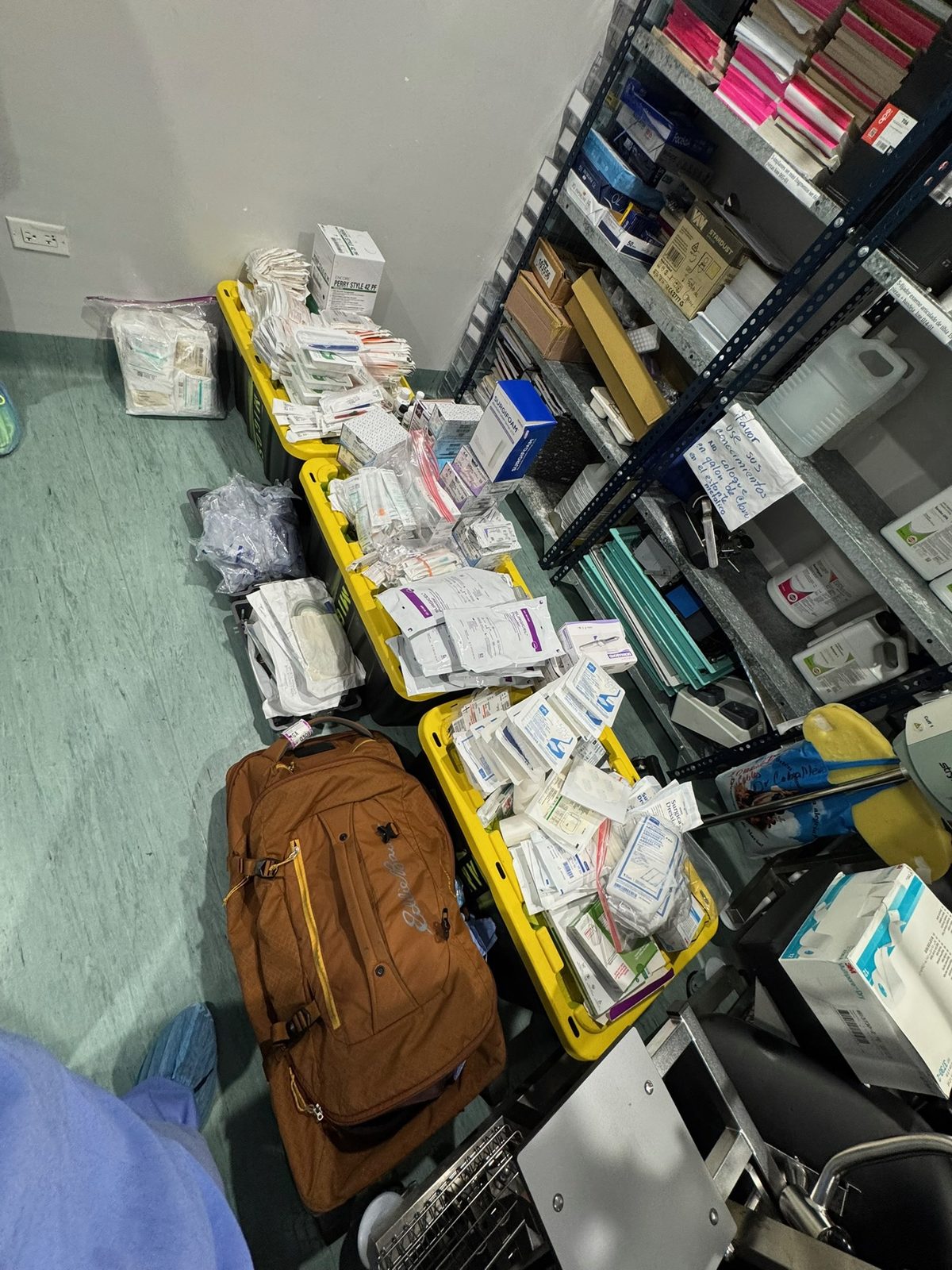
- The list, honestly The day-one target was six cases, not eight. We packed supplies with about 24 operations in mind. We created 25.
09
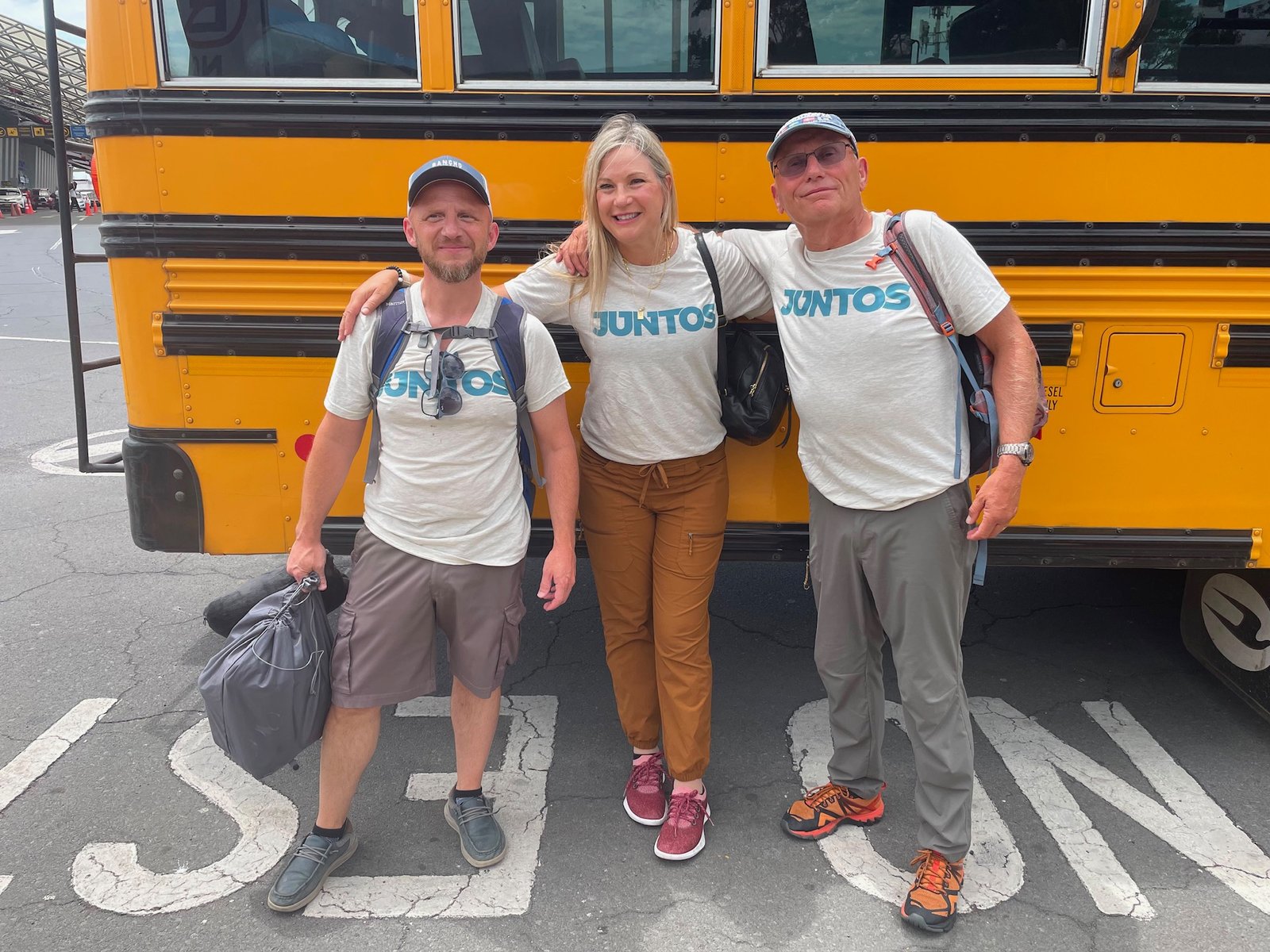
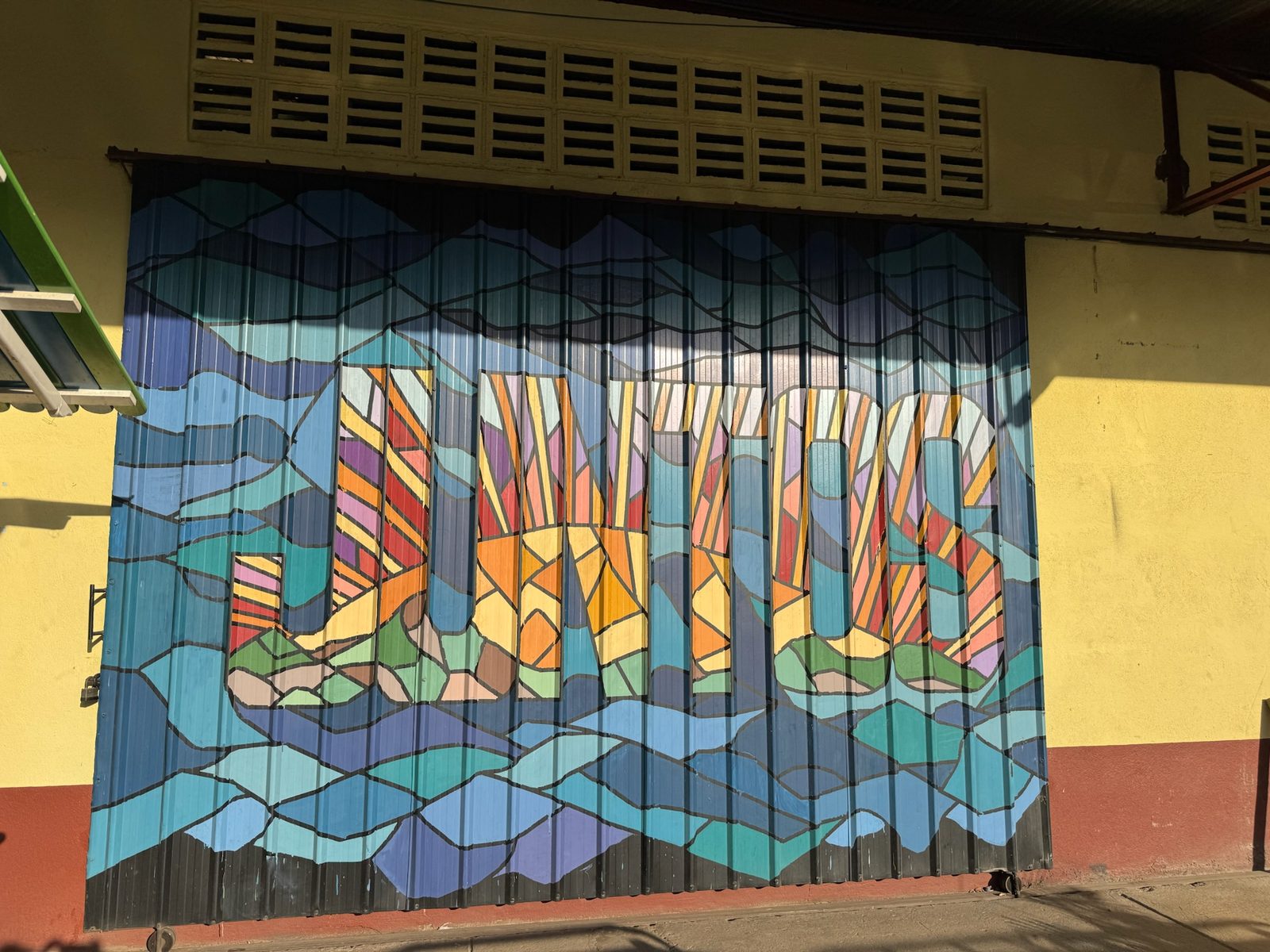
The team, juntos
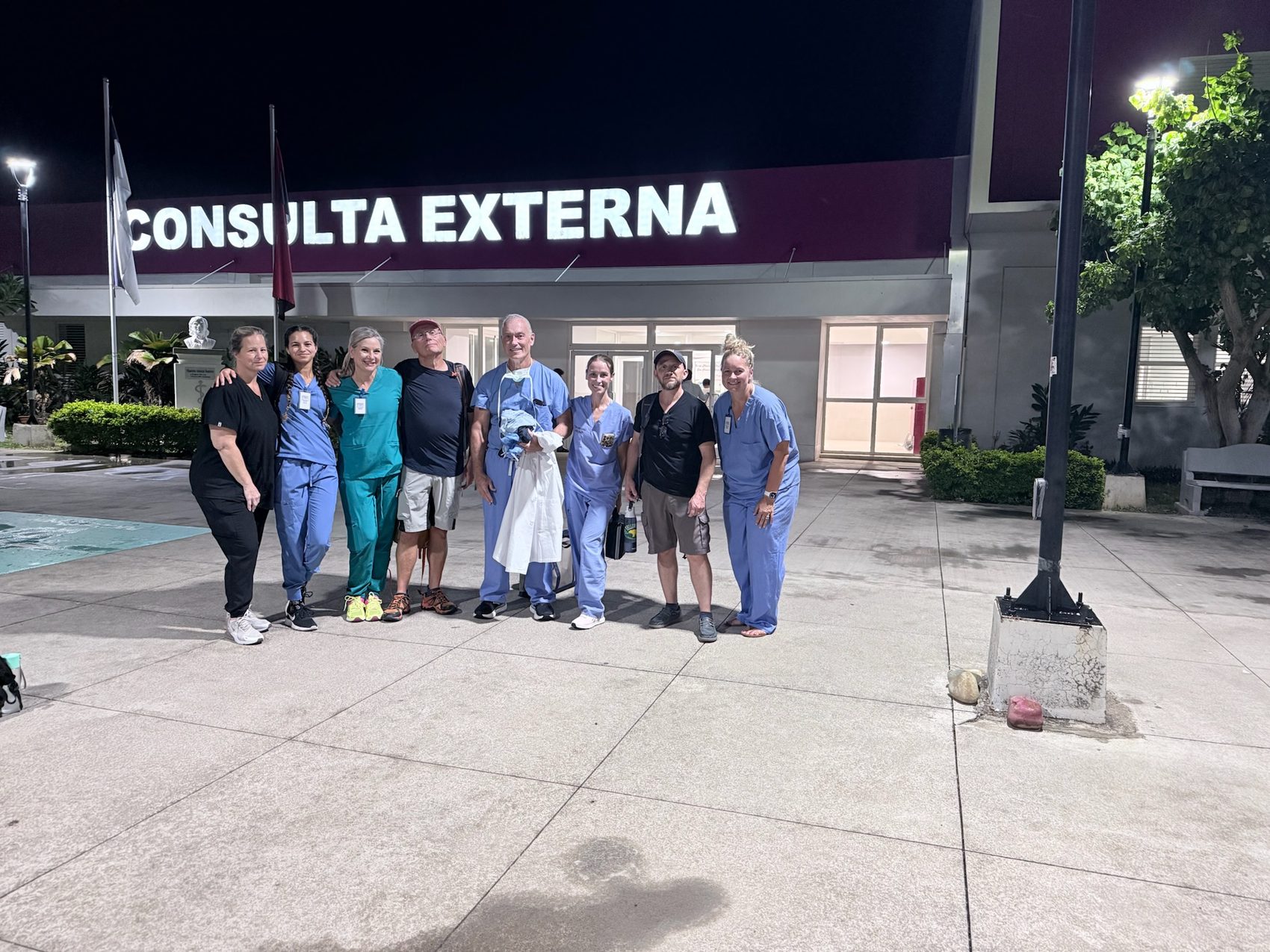
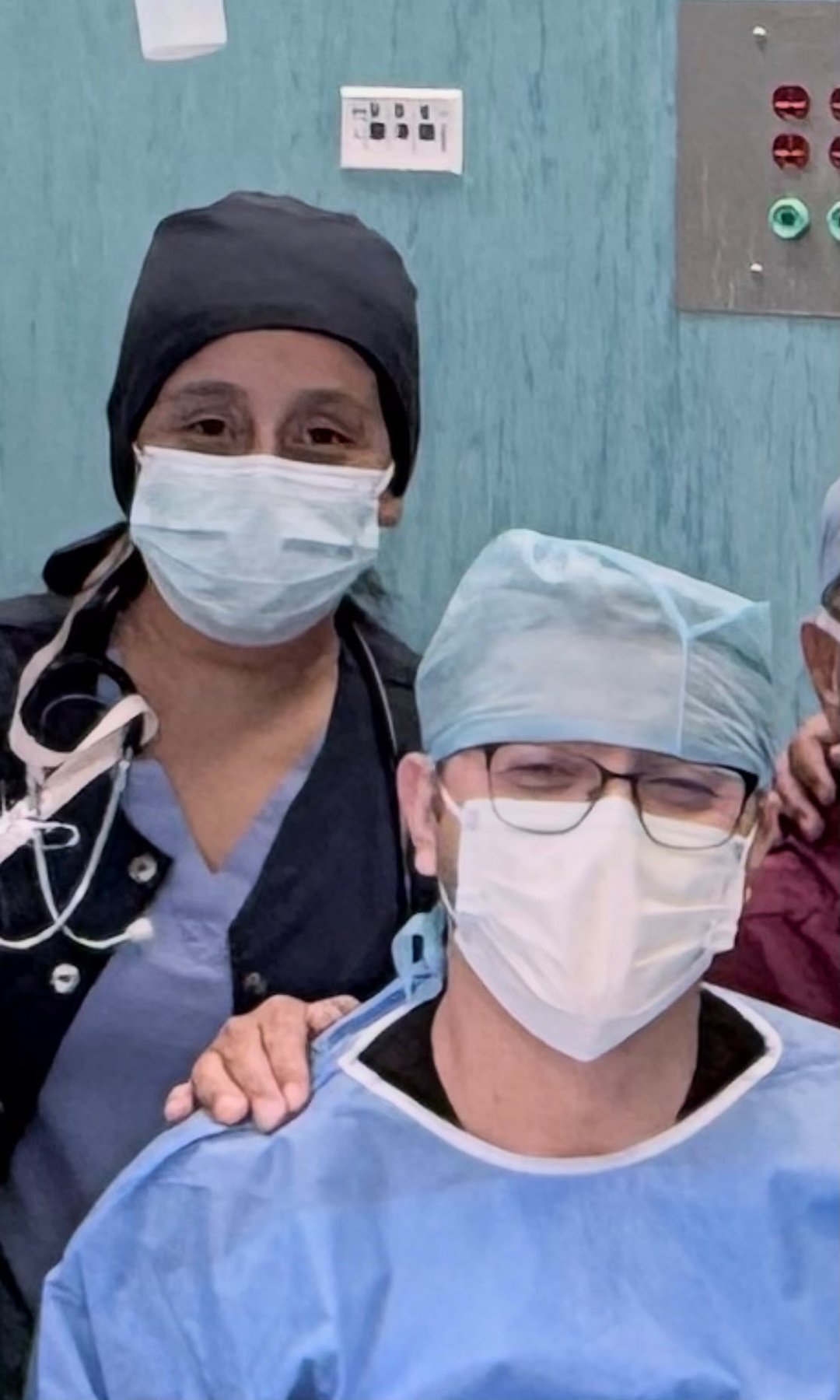
These are the names from the brigade authorization and from the rooms. Nicaraguan hospital staff worked alongside us every day. Not all of their names are on the traveler list, and they are not a footnote.
- Nicholas Peter Maxwell General surgeon. Operates.
- Margaret Eileen Gallagher General surgeon. Operates.
- Thomas James Gallagher Obstetrics & gynecology. Extra hands; not the primary AVF surgeon unless asked.
- Jared E. Boyd Anesthesiologist. Brachial-plexus blocks.
- Christa Leah Maxwell Nursing. OR, packs, instruments.
- Kendall Clare Adrian, RN BSN Board and flow; Spanish.
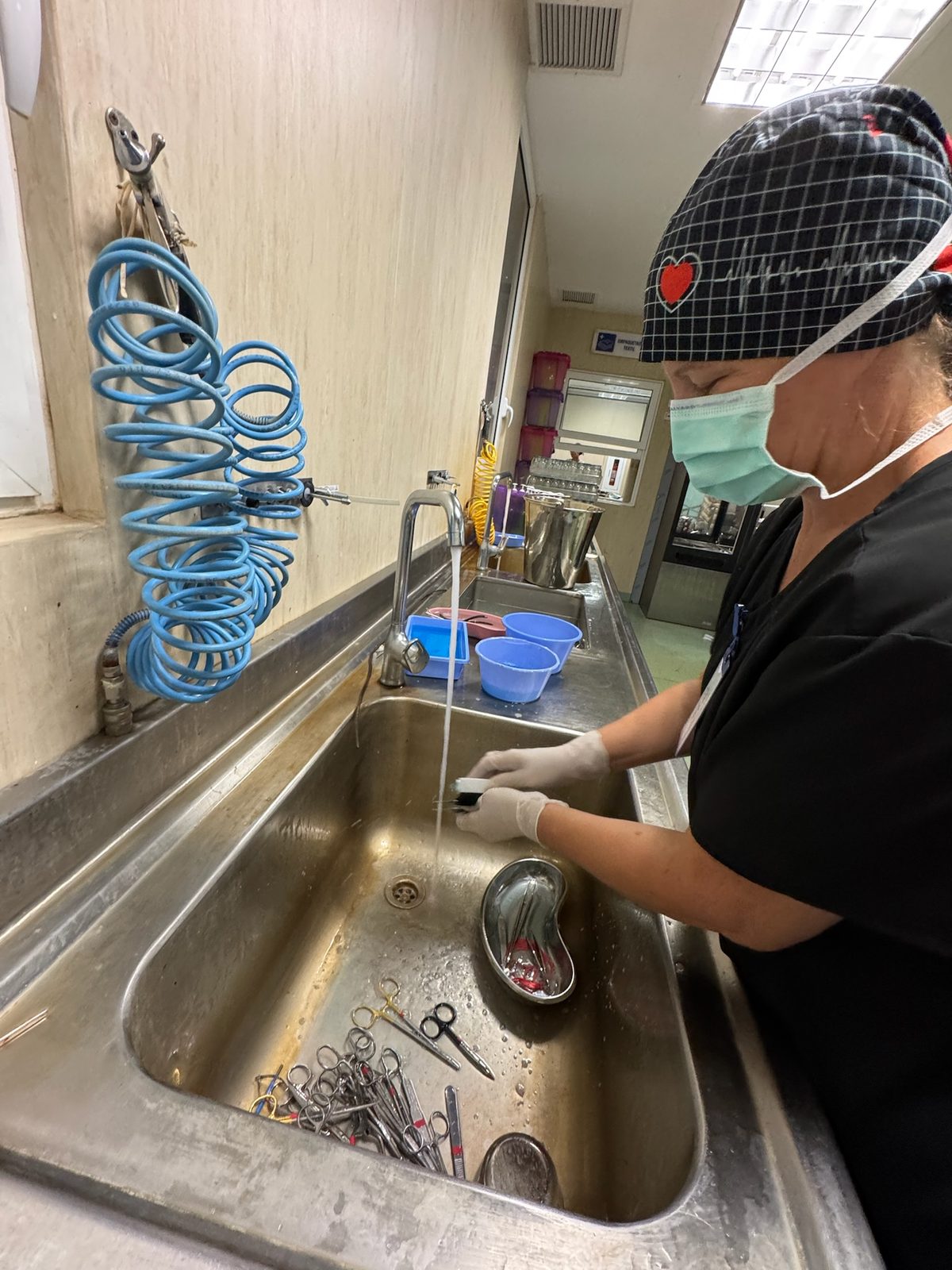
- Morgan Michele Solomon Nurse. Circulating, cleaning instruments, and logistics.
- Colleen Weston Board-certified infectious disease physician. Circulating, cleaning instruments, and logistics.
- Crystal Dawn Mitchell Hemodialysis technician. Circulating, cleaning instruments, and logistics.
- Andrew Rebock Non-medical. Field work bringing water to Nicaraguan communities.
- Maggie Dunne, RN U.S. on-ground coordinator.
- Lic. Reyna María Silva Cabrera Local coordinator, Chinandega.
- Tessa Sulimirski U.S. Director of Missions, Buford office.
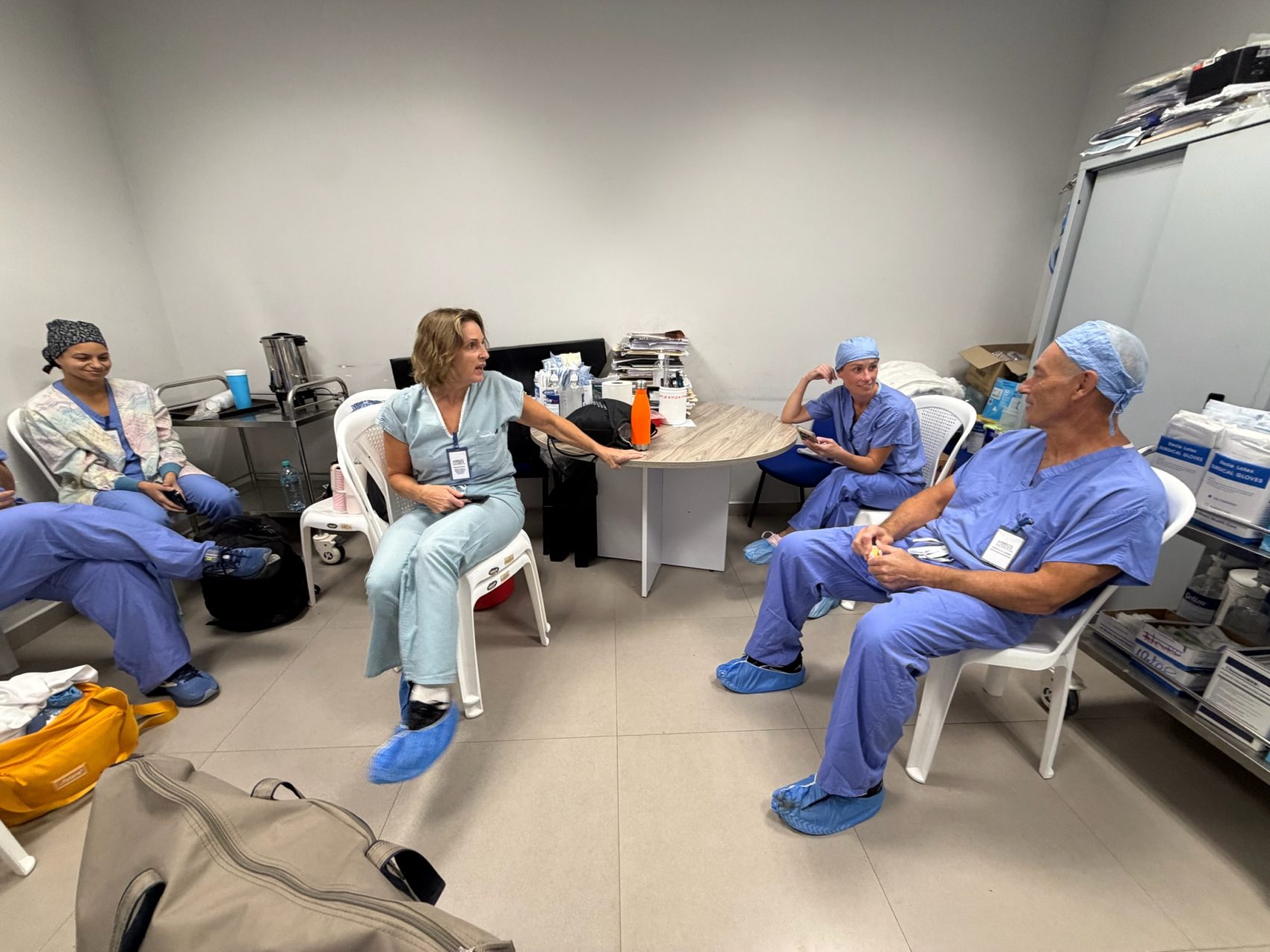
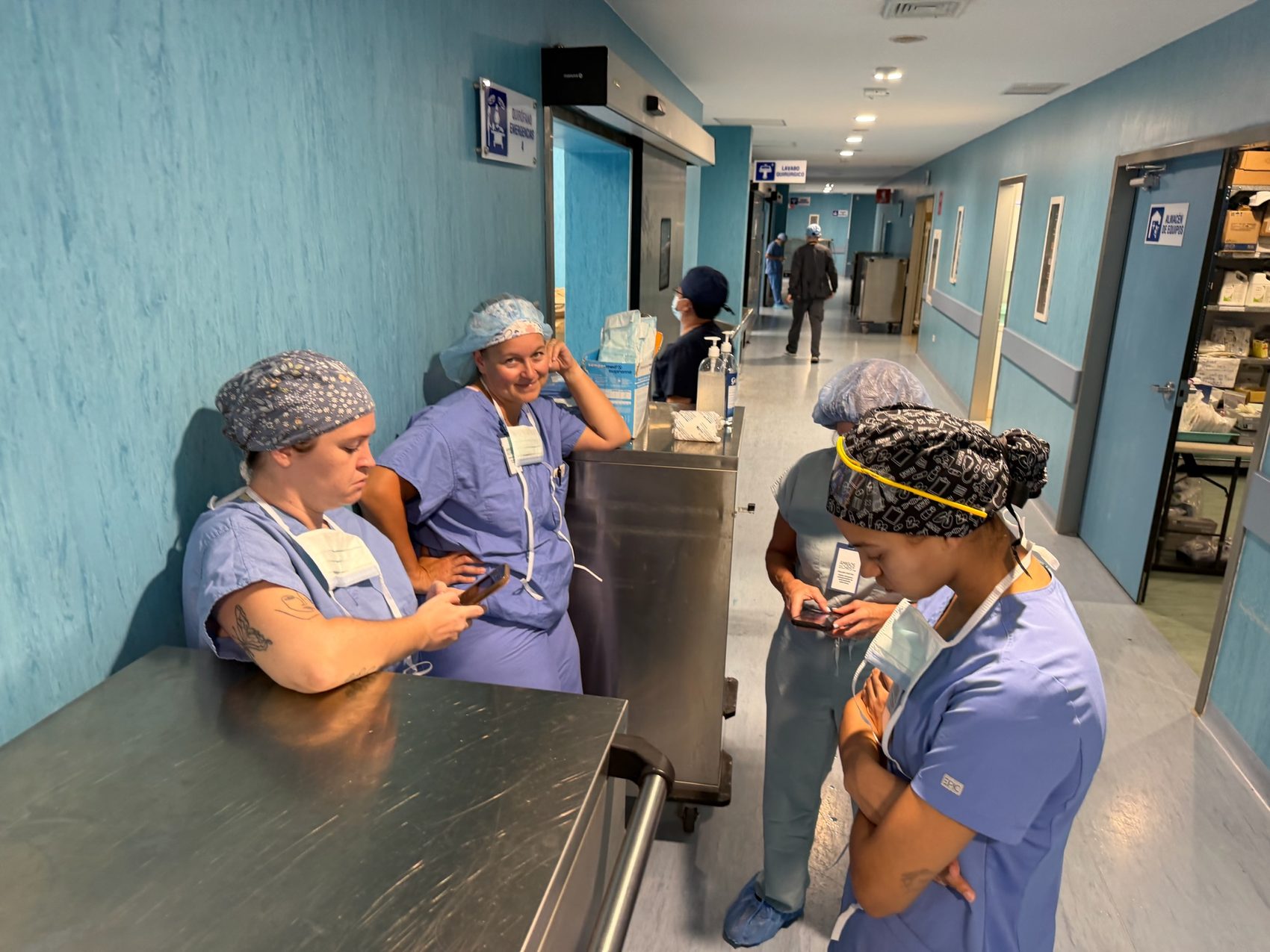
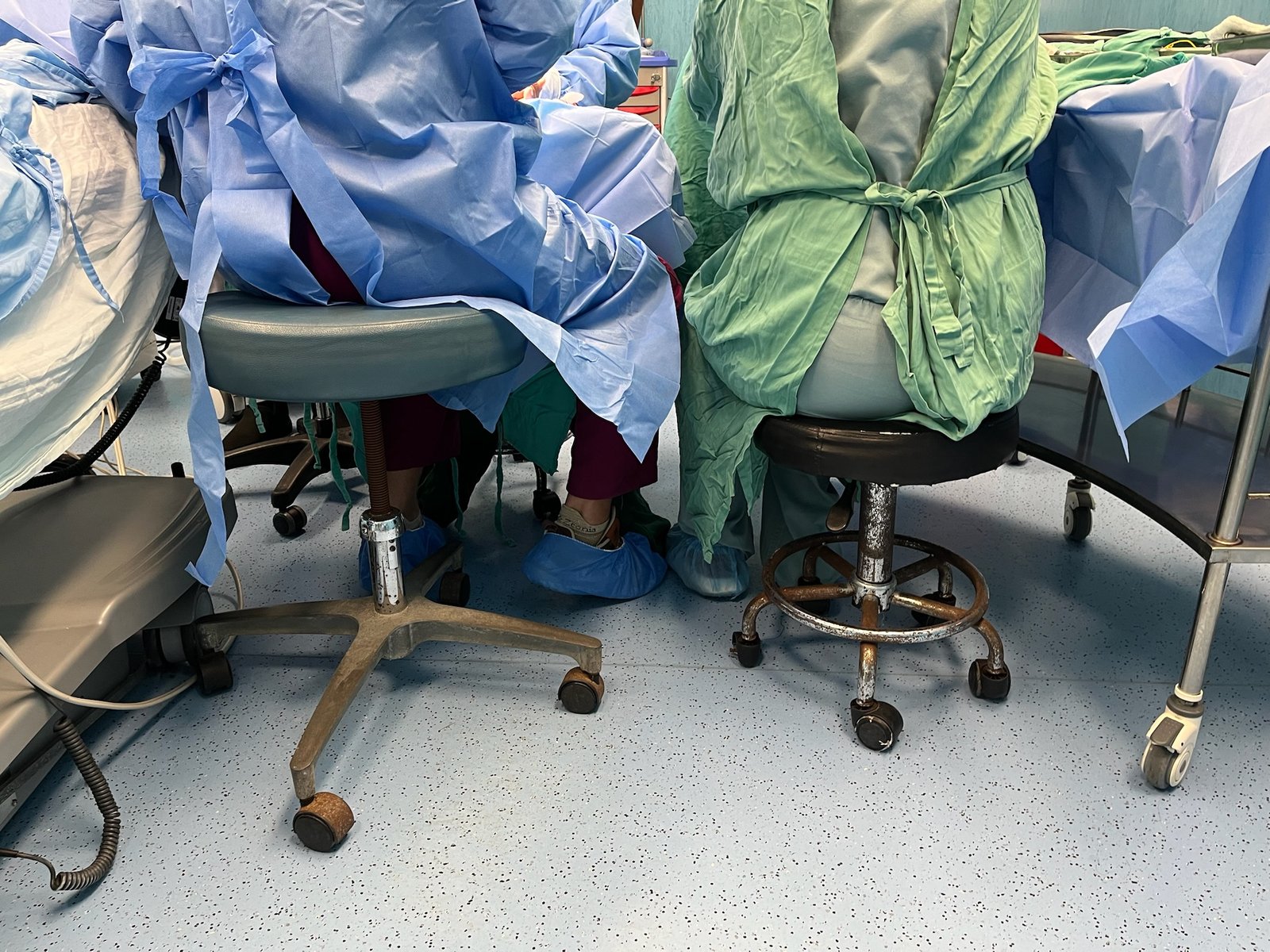
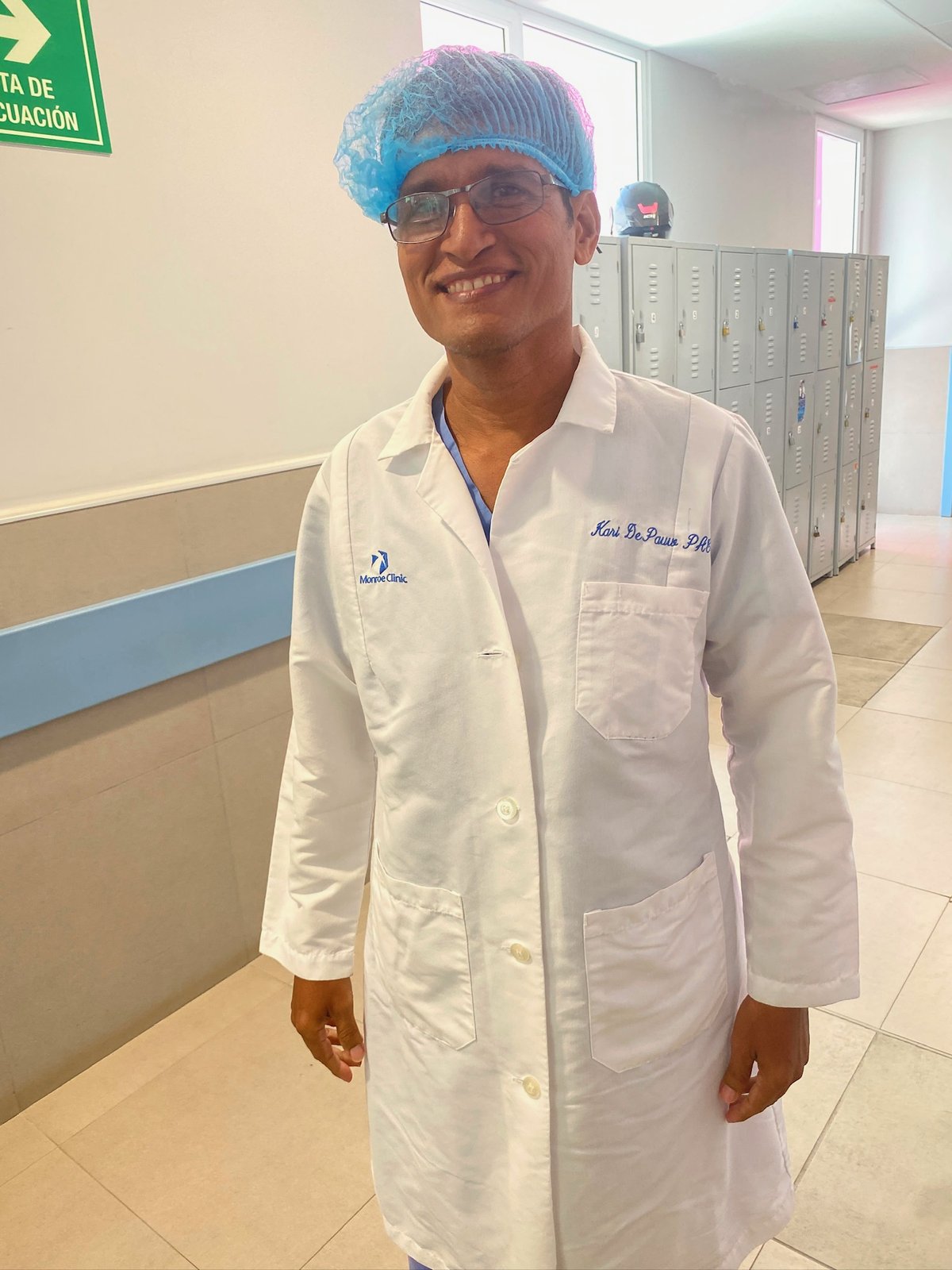
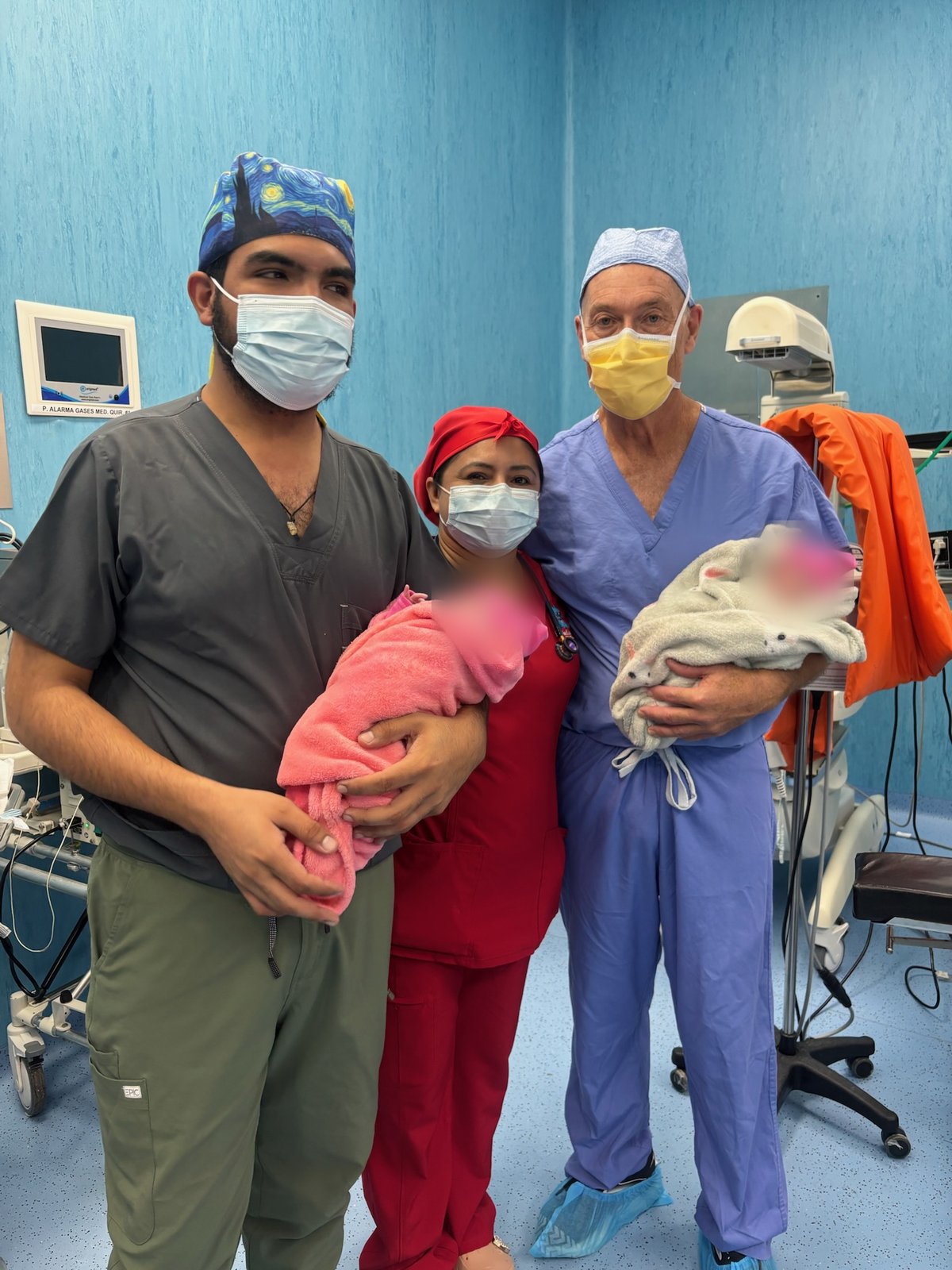
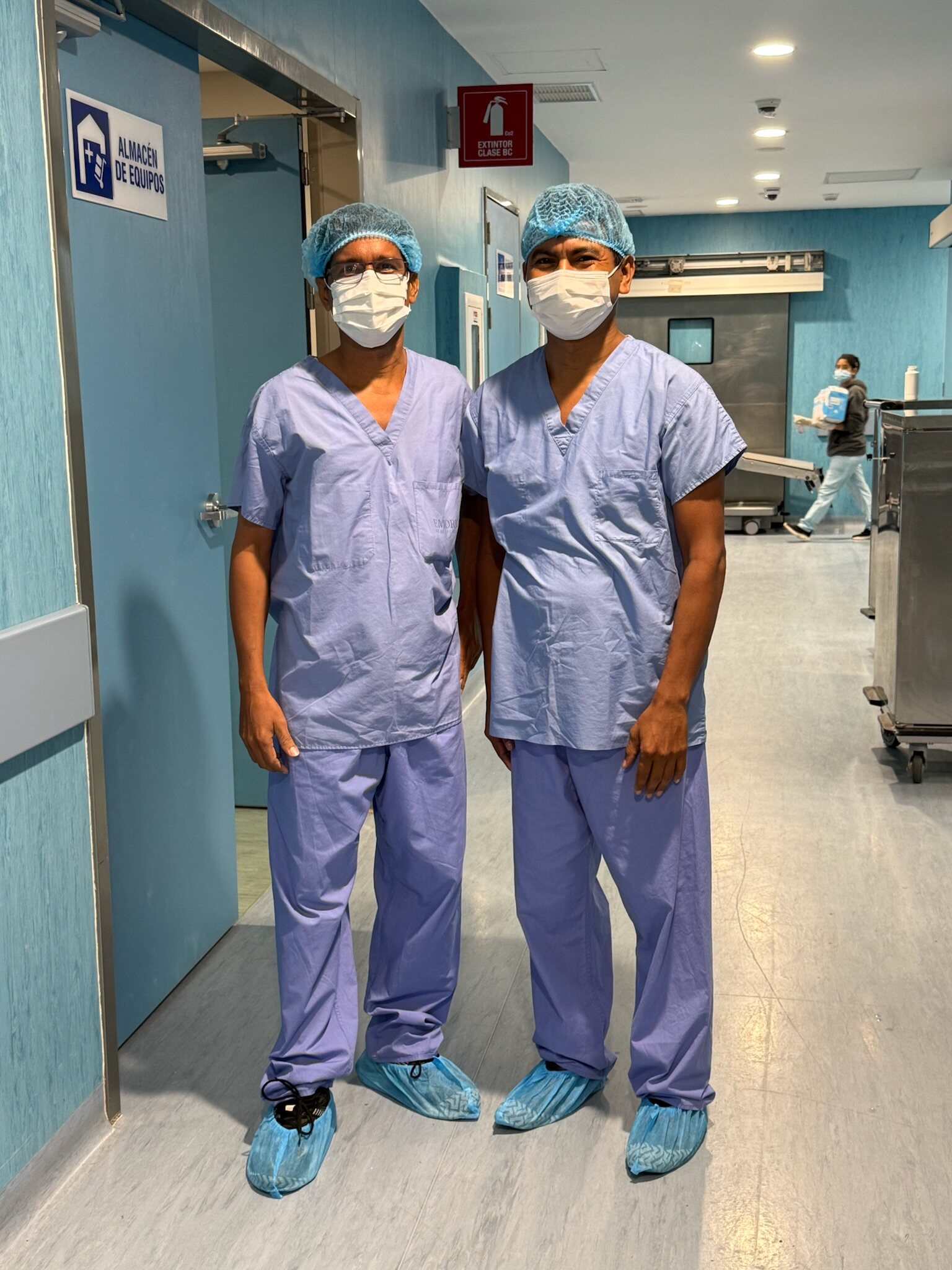
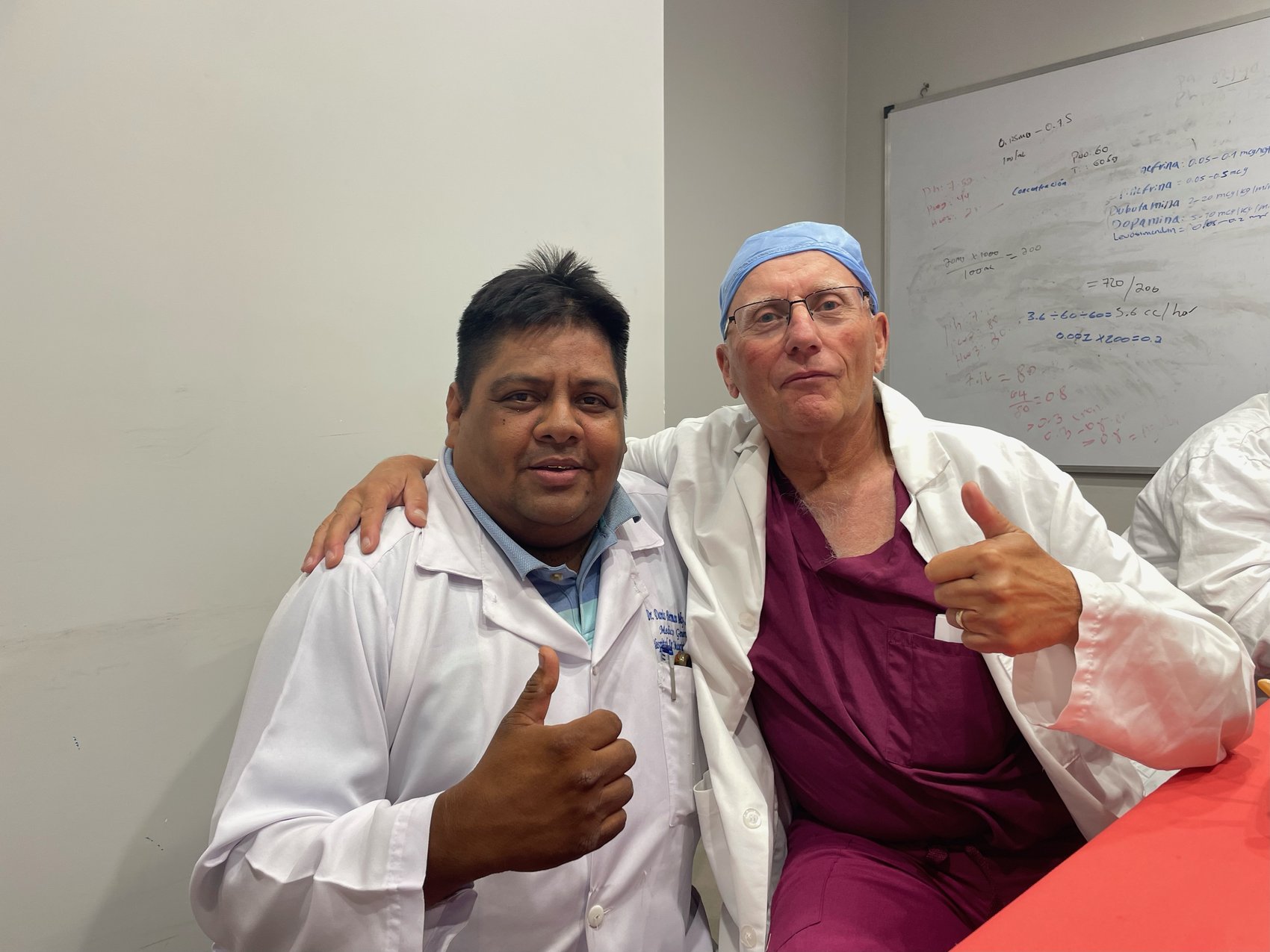
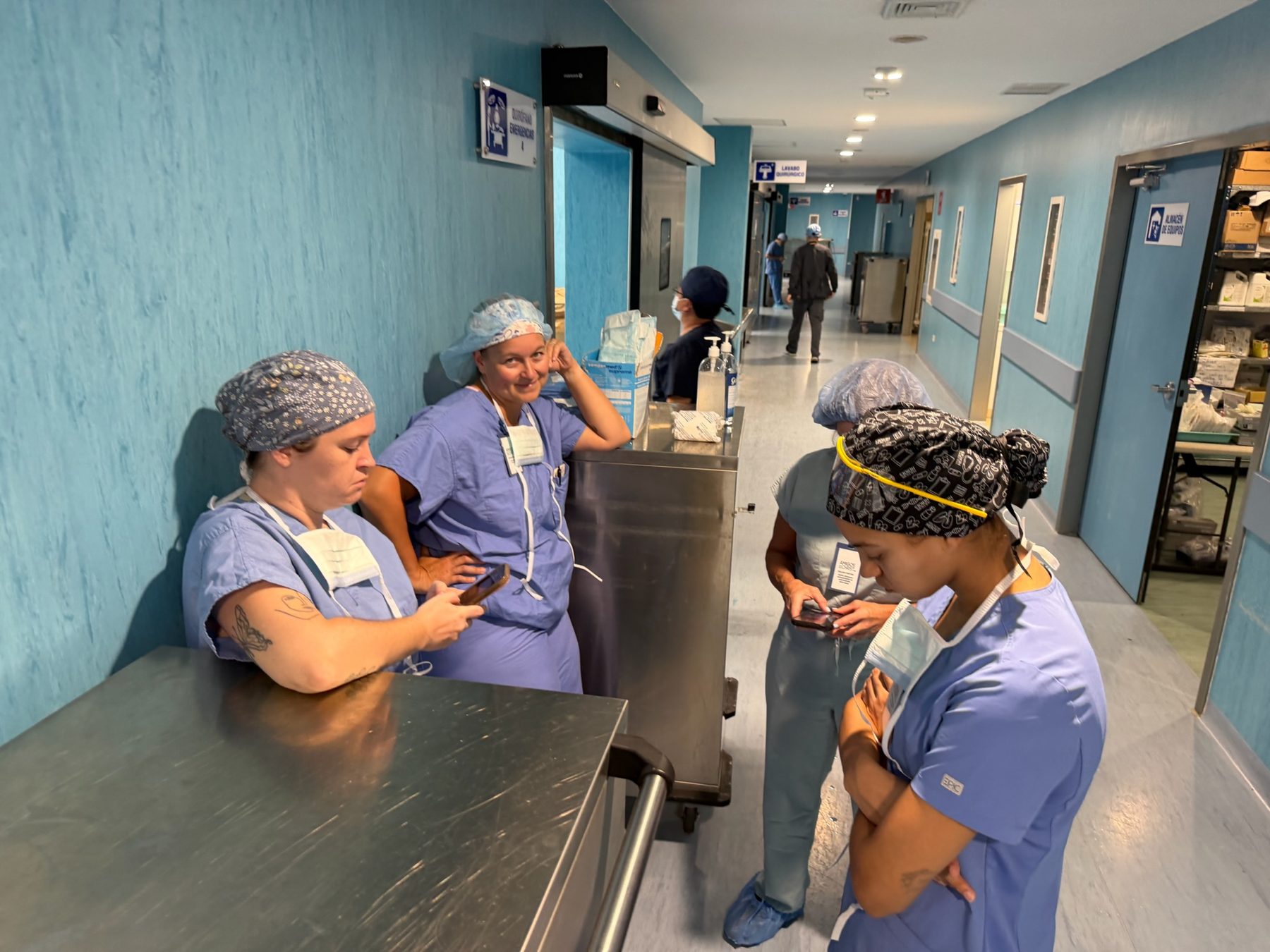
Juntos. We sat next to Nicaraguan surgeons, circulators, and scrub techs in the same corridor. The week only works that way.
10
In the news
On 31 August 2026, Nicaraguan media covered the week: a medical brigade from Georgia, United States, working with Nicaraguan health professionals at Hospital Dr. Mauricio Abdalah in Chinandega. Co-President Rosario Murillo announced the visit. Canal 6 and Radio La Primerísima both reported on it.
Amigos for Christ, based in Buford, Georgia, has hosted medical brigades in Chinandega for years. This week we and our Nicaraguan colleagues created arteriovenous fistulas so people on hemodialysis can use their own vessel instead of a neck catheter.
Specialists from Georgia strengthen surgical care in Chinandega
Co-President Rosario Murillo announced a specialized brigade from Georgia working with Nicaraguan health professionals at Hospital Mauricio Abdalah in Chinandega.
Read Canal 6 → Radio La Primerísima · 31 Aug 2026Amigos for Christ brigade at Hospital Mauricio Abdalah
Specialists of the “Amigos for Christ” brigade, 31 August–4 September, Hospital Doctor Mauricio Abdalah, Chinandega. Thirty-two patients named for catheter placement.
Read La Primerísima →
End of the 2026 mission.