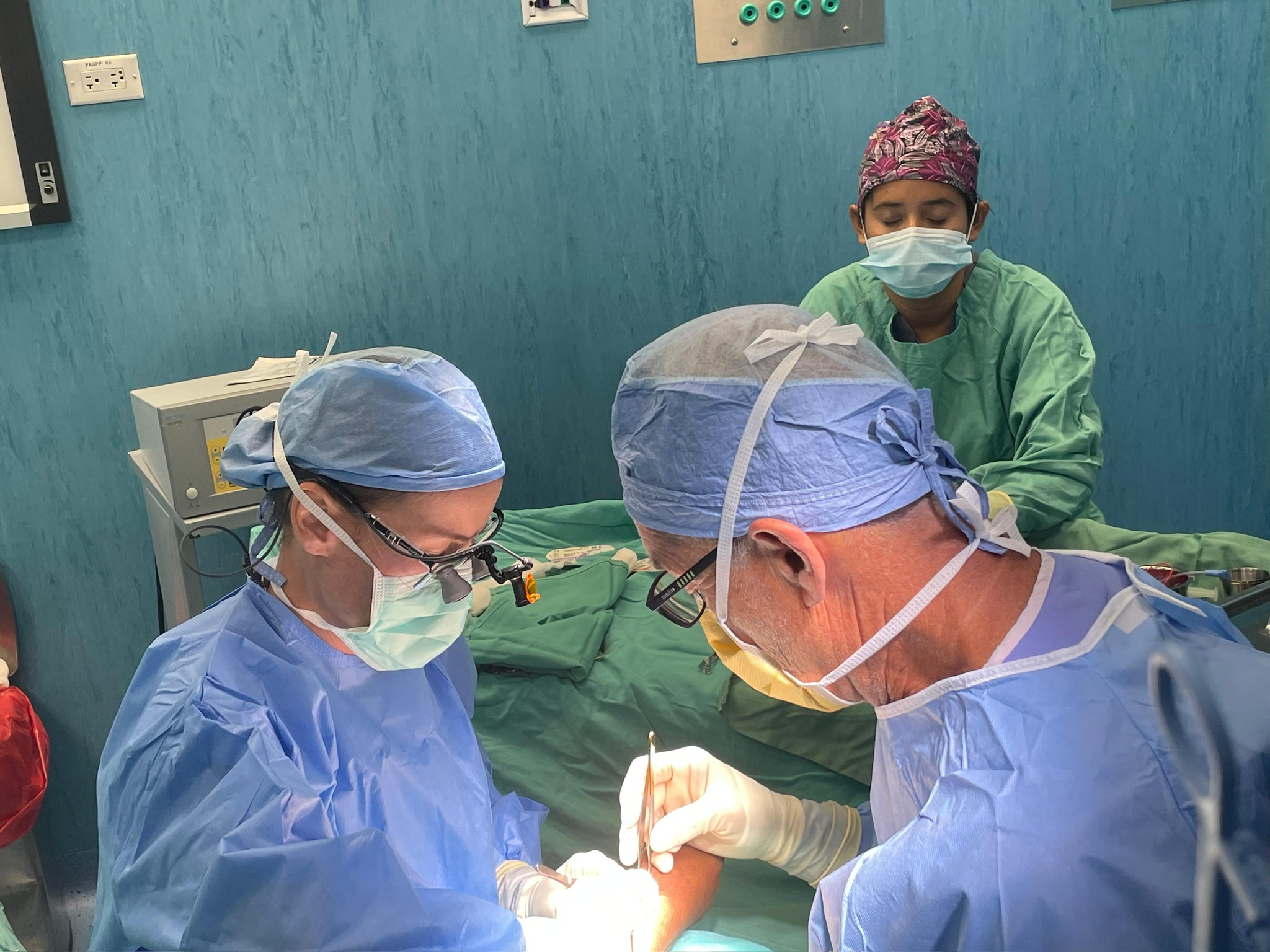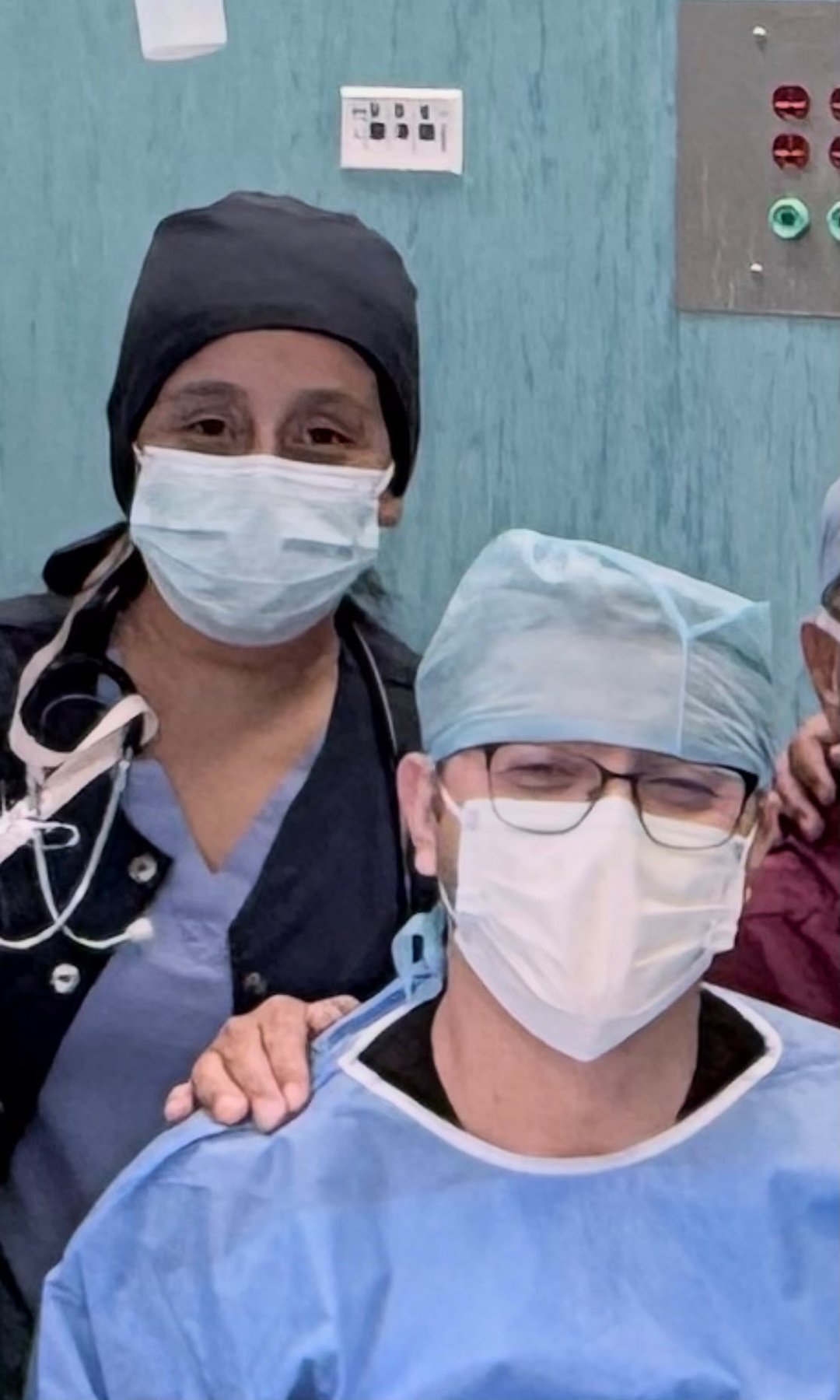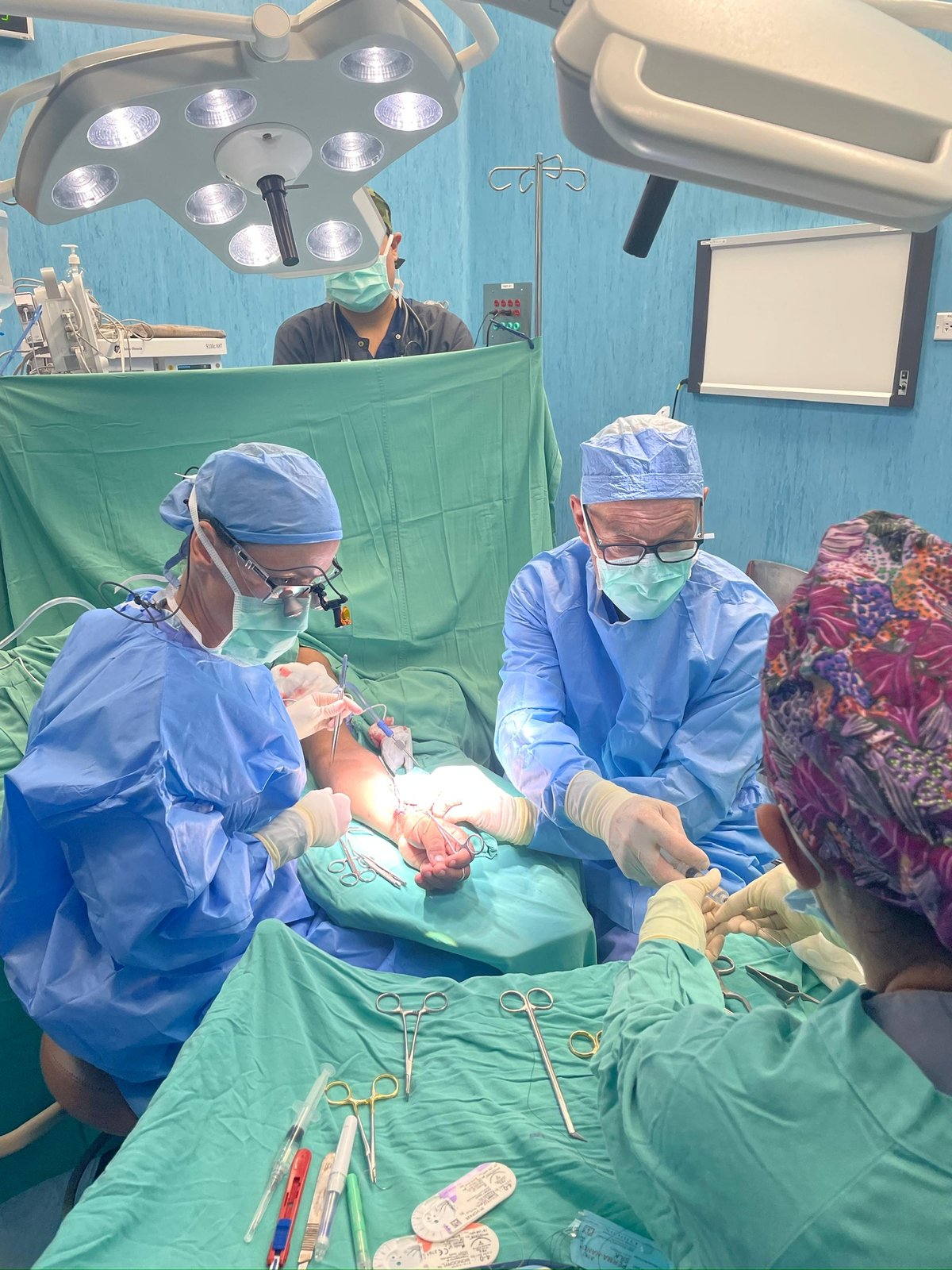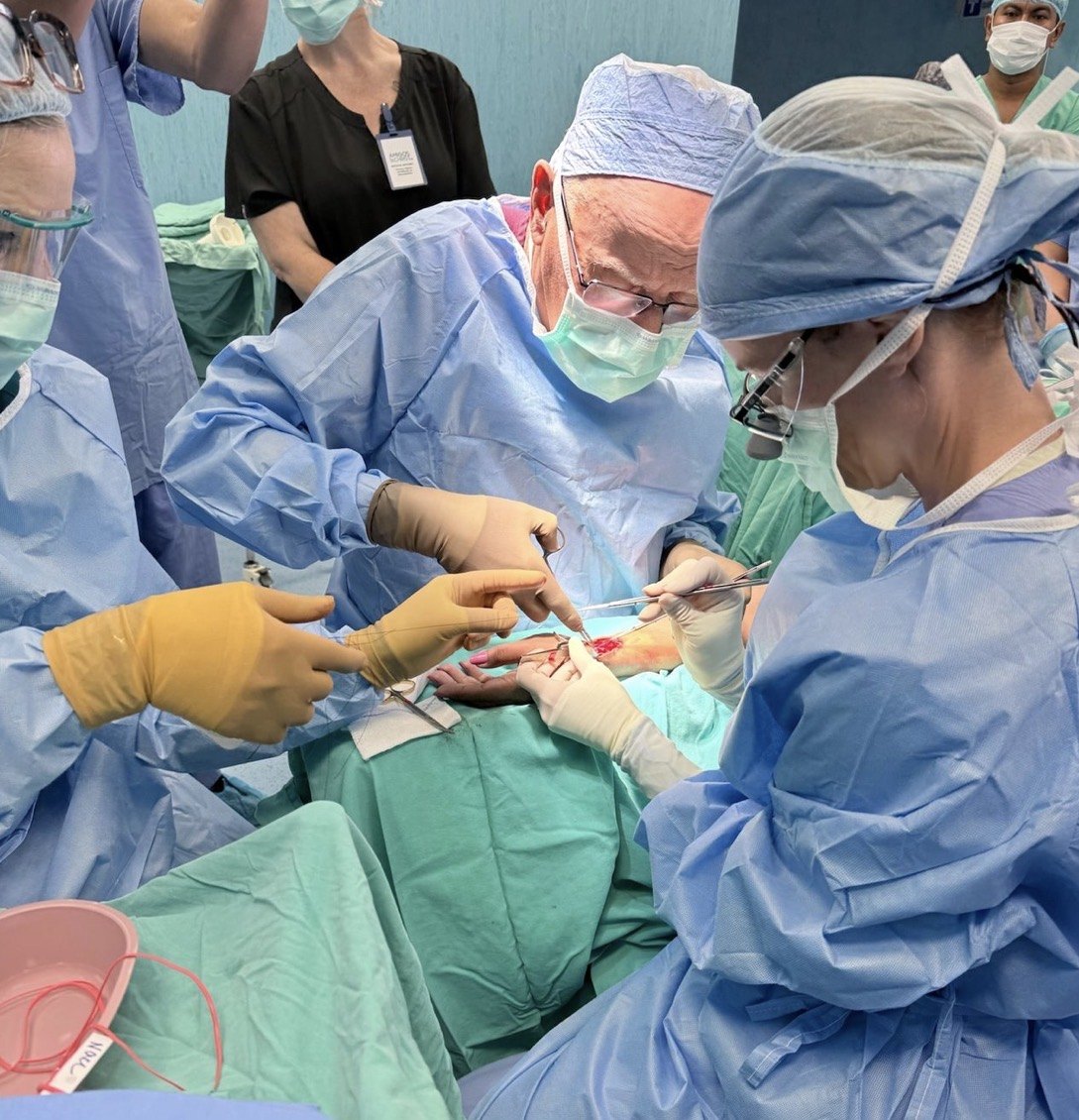
A man and a woman in scrubs and loupes operating on a draped arm

FAVNica · AV fistula surgical missions · Chinandega, Nicaragua

Lasting dialysis access for people with kidney failure in Chinandega.

FAVNica brings volunteer surgical teams to western Nicaragua to create arteriovenous fistulas, working alongside Nicaraguan colleagues, hosted by Amigos for Christ.

“I did this surgery for a better quality of life.”

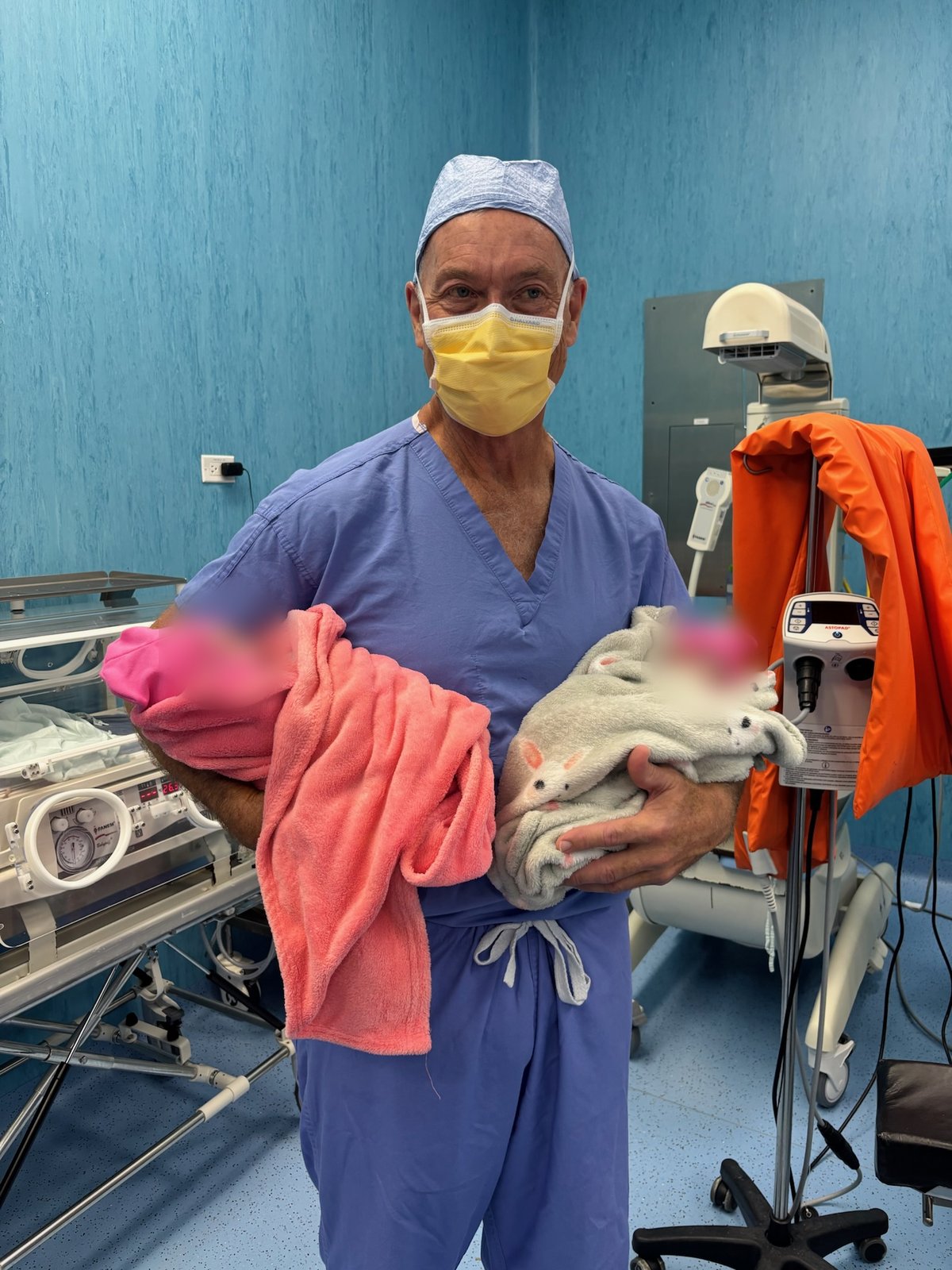
A patient, after the surgery · 2026

A fistula joins a vein you already have to an artery in your arm. Once it heals, the dialysis needles go into that vein instead of a plastic tube in the neck.

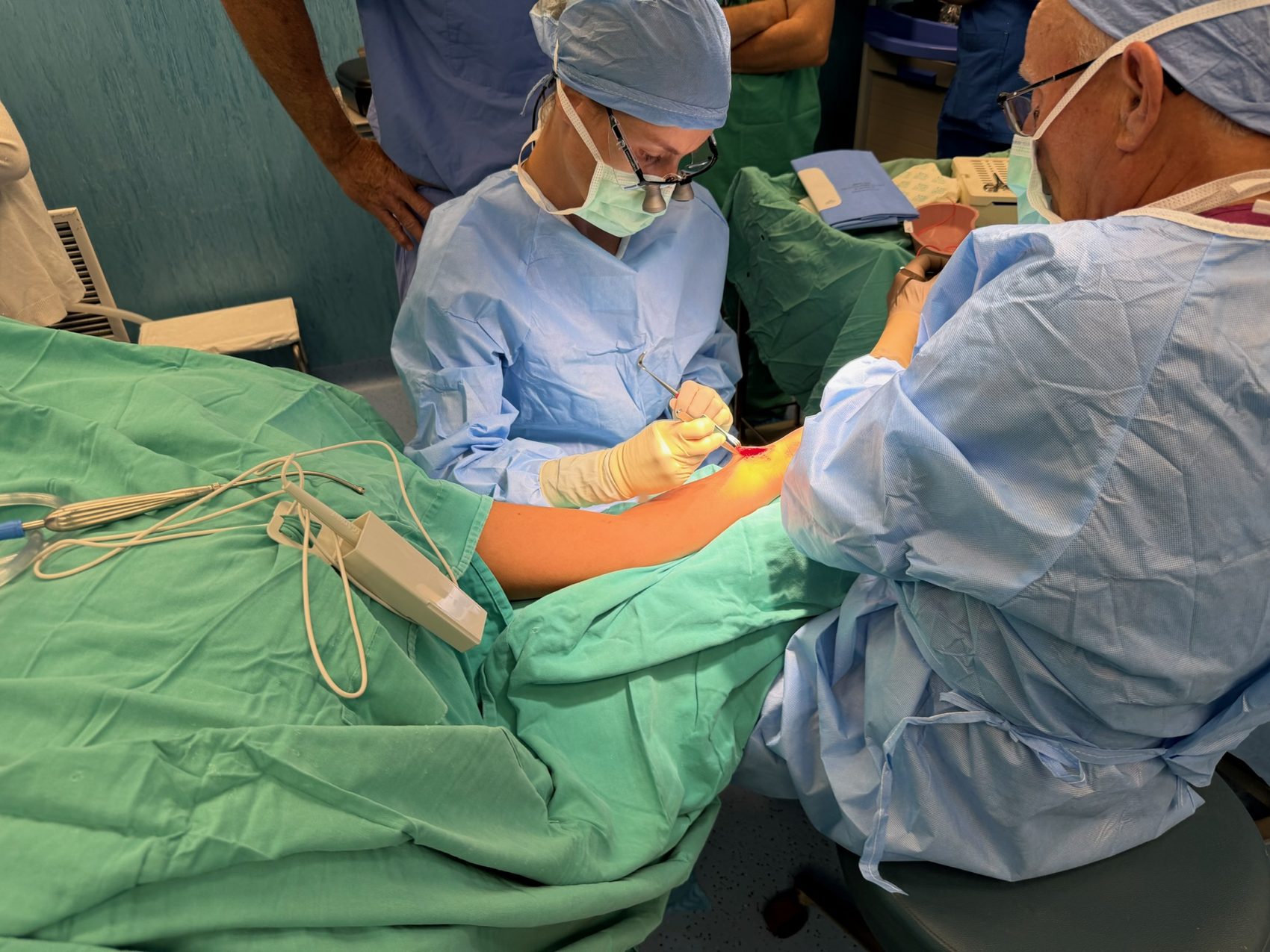
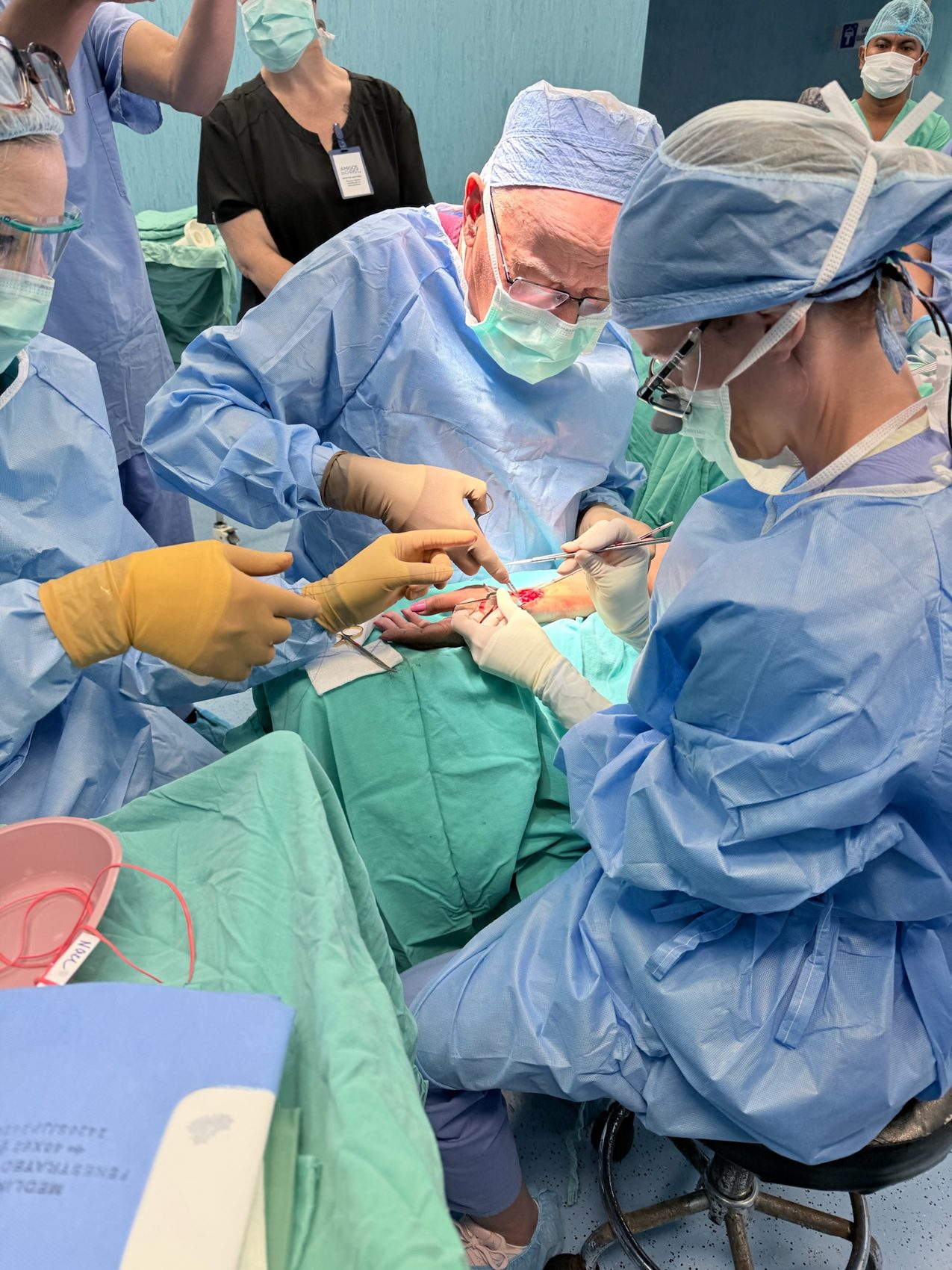
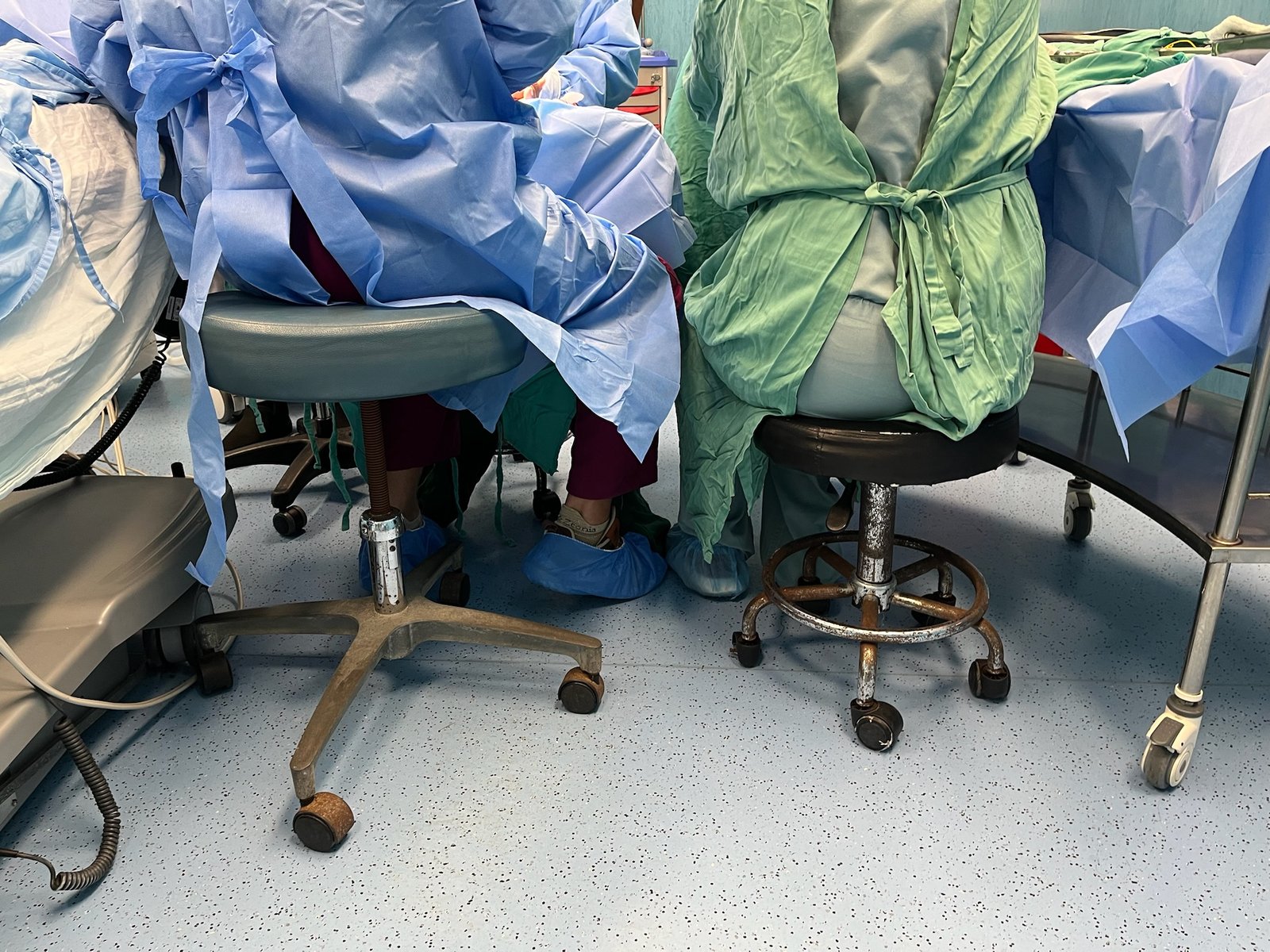
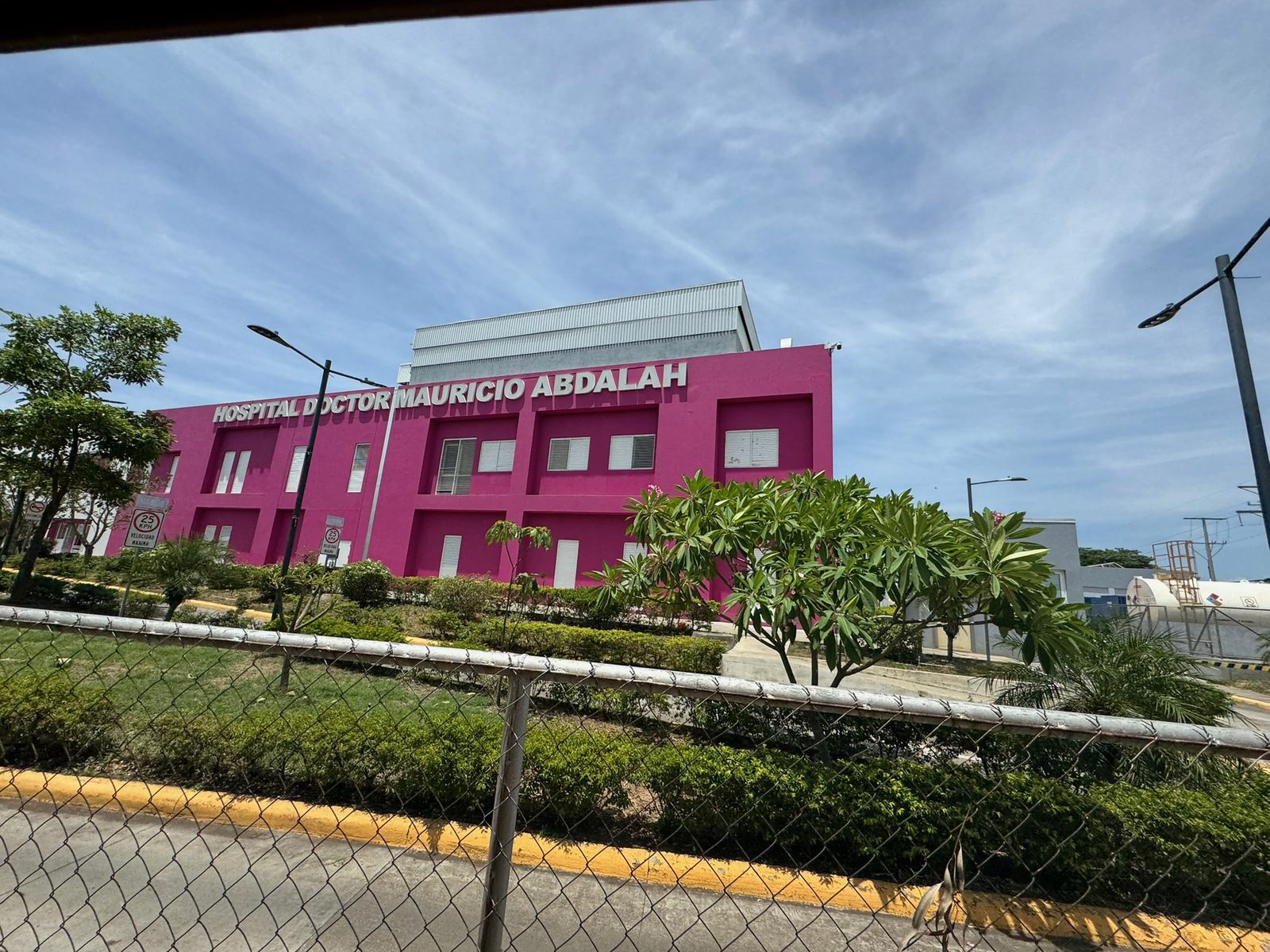
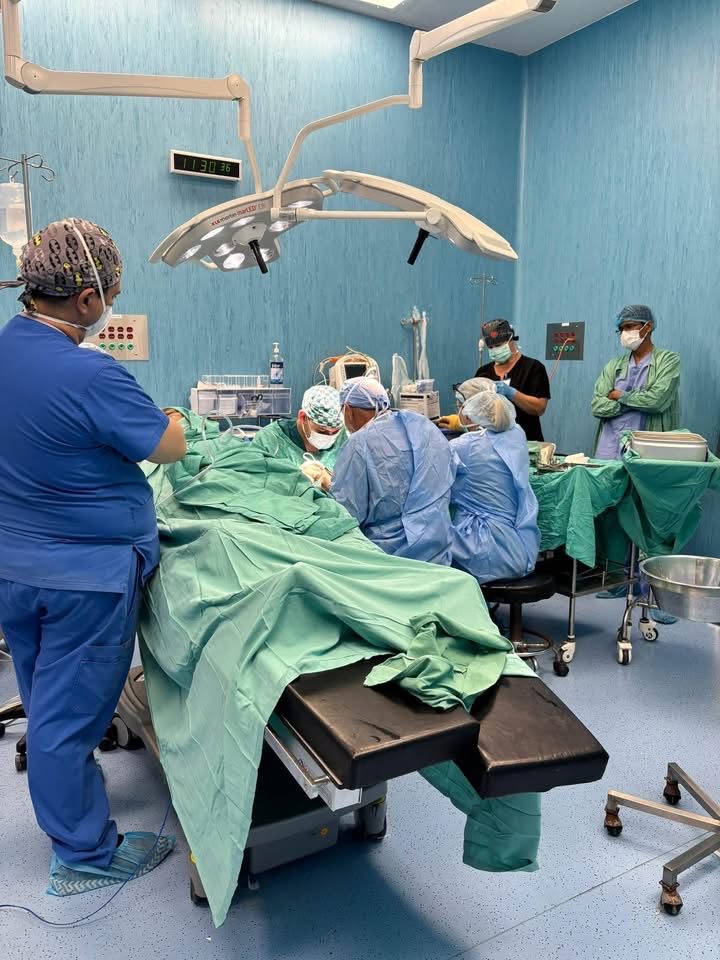
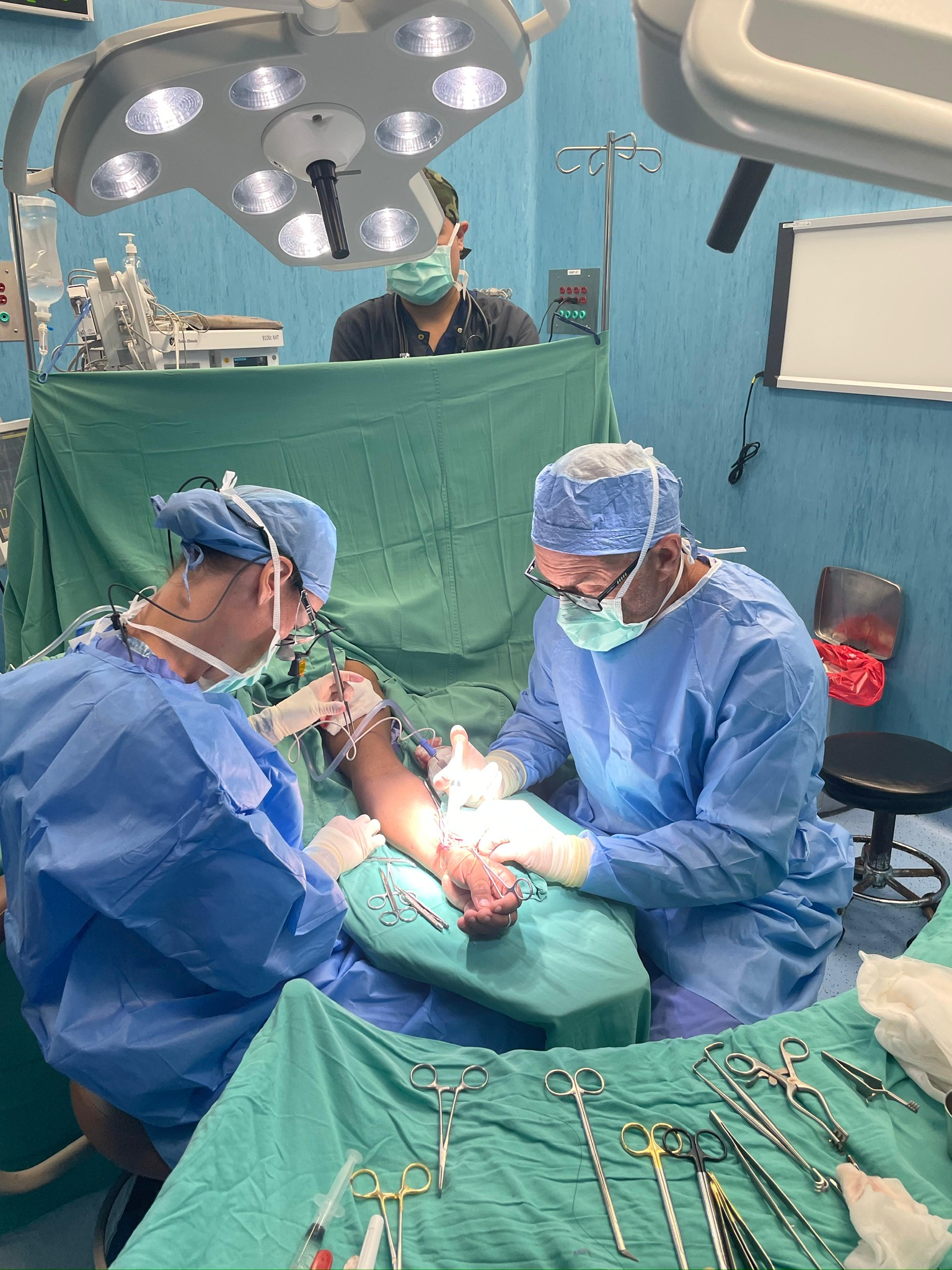
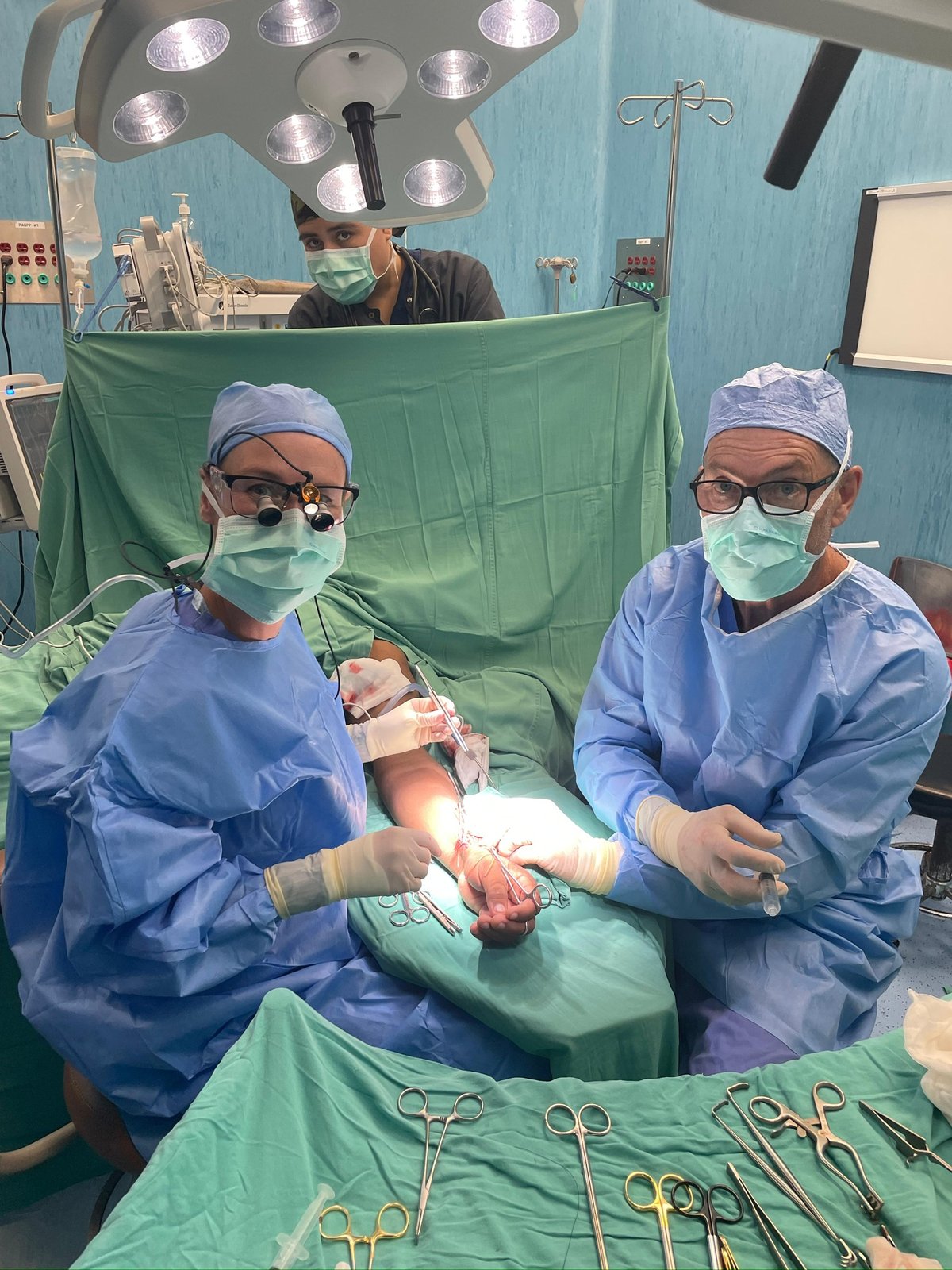
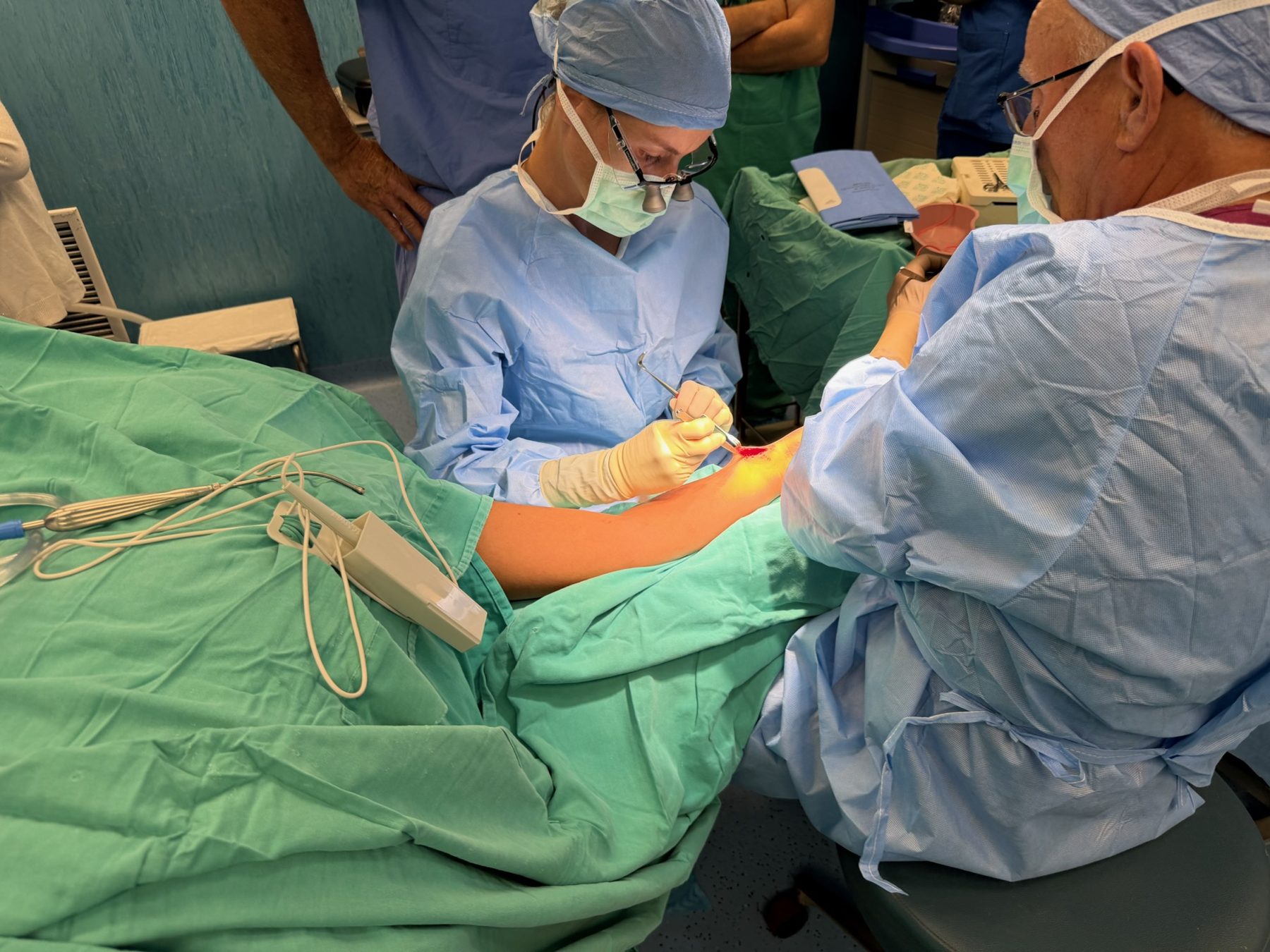
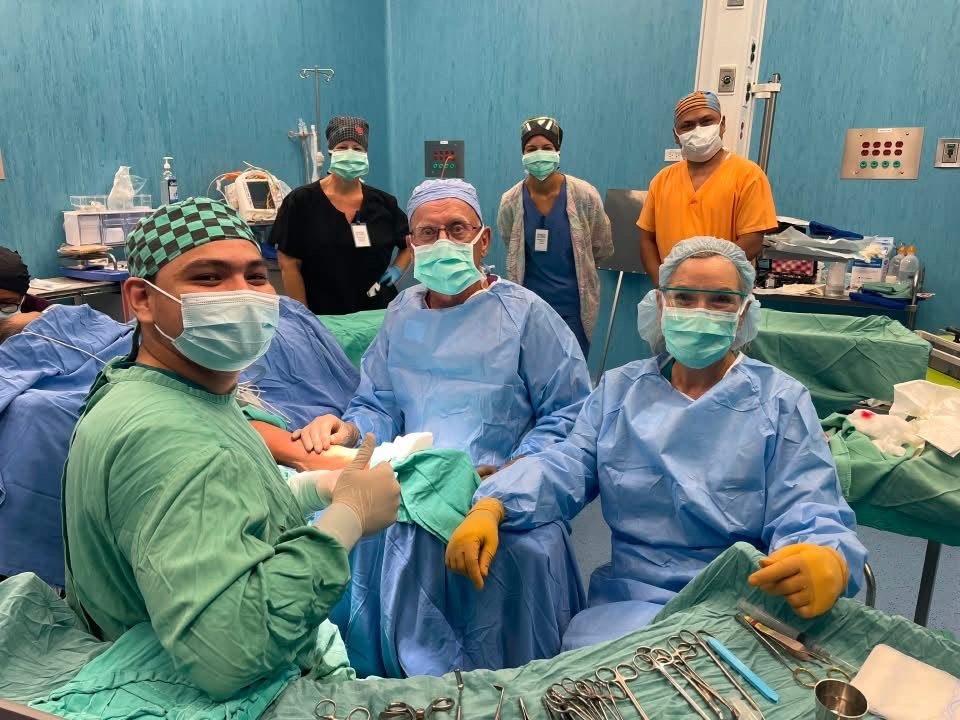
Two surgeons at the table at Hospital Dr. Mauricio Abdalah in Chinandega, 2026. Loupes on, arm draped. This is where the fistula gets made.

The program so far

What FAVNica does

In western Nicaragua, kidney failure often strikes young farm workers. Hemodialysis keeps them alive, but it needs a reliable way into the blood. A fistula made from the patient’s own vessels is the preferred long-term access for most people. We travel to Chinandega to create fistulas and to teach the operation alongside Nicaraguan surgeons.

  • 25 AV fistulas created on the first mission
  • 5 operating days, 31 Aug–4 Sep 2026
  • 13 people on the 2026 roster, plus Nicaraguan hospital staff every day
  • 1st mission team, as far as we know, put together just to create and teach AV fistulas in Nicaragua

The problem

Kidney failure in western Nicaragua, and why a fistula matters

Why kidneys fail younger here, what it takes to get on dialysis, and why a fistula beats a catheter for most people.

01

Kidneys in western Nicaragua

Around Chinandega and León, among people who work sugarcane and other hot outdoor jobs, kidney failure often shows up in young men. That is different from the usual U.S. pattern of older adults with diabetes or high blood pressure. Here it is called Mesoamerican nephropathy, or chronic kidney disease of non-traditional origin (CKDu).

It is a tubulointerstitial disease. There is often little protein in the urine, and blood pressure may be normal or only mildly high at the start. Many of the men who get it do not have diabetes. The cause is still unsettled. Heat stress and heavy work have the strongest support in the studies; agrochemicals, well water, and other exposures have been studied too. We do not know for sure.

8.6% CKD in a León household sample, ages 15–59. Suspected CKDu 3.1%. About twice as common in men. Strasma et al., BMC Nephrology 2023 · doi 10.1186/s12882-023-03381-1
~10% / 3.5% Apparently healthy 18–30s in León and Chinandega: about 10% of young men and 3.5% of young women had very rapid kidney-function decline. González-Quiroz / London School of Hygiene & Tropical Medicine
73.9 Nicaragua’s age-standardized kidney-disease death rate per 100,000 in 2019 — highest in the Americas (regional average 15.6). National figure, not a Chinandega census. PAHO, using WHO Global Health Estimates, 2019

The figures above come from published studies of particular samples. They are not a census of Chinandega, and they are not a death toll for this week.

02

Getting on dialysis

When the kidneys can no longer clear the blood, hemodialysis is not optional. People need it several times a week, or they die. That means chairs, machines, travel, missed work, and a reliable way into the bloodstream. Getting that access is the hard part.

Public hemodialysis through MINSA is free for the patient. Formal workers covered by INSS typically receive three sessions a week. A private session, about $140, is out of reach for most families.

Cajina-Aguirre et al., Kidney360, 2023

The people in those chairs are younger than the older diabetic patients many U.S. units see. In the MINSA and INSS dialysis populations, average age was about 49.9 years, and three-year survival after starting hemodialysis was reported at 52% in that same overview. A 2020 series that trained native AV fistula surgery in Nicaragua found a mean patient age of 48.6 years; 92% were men, and 66% of the fistulas were radiocephalic.

López, Salgado, Vachharajani, Kidney International Reports, 2021

Chinandega city now has a large hemodialysis center: Centro de Hemodiálisis Comandante Germán Pomares Ordóñez (“El Danto”), which opened 23 September 2024 with about 103 chairs. It is a different campus from Hospital Dr. Mauricio Abdalah, where we operated. A chair is one problem. A lasting way into the blood is another.

03

The catheter

A central venous catheter is a plastic tube, usually in the neck or chest. It can start dialysis the same day. That is why it exists, and why it is hard to leave behind.

The tube runs from the skin into the bloodstream, so infection is the first problem. Catheters clot. They can scar and narrow the central veins, a stenosis that may later take away the chance of a fistula in that arm. KDOQI 2019 prefers AV access over a catheter for most hemodialysis patients because of infection risk. Large observational studies also link catheters with higher death rates than fistulas, though that is not the same as proven causation: people who stay on catheters are often sicker, or started dialysis in a hurry. The direction of the risk is clear.

Lok et al., KDOQI Clinical Practice Guideline for Vascular Access, 2019

04

Peritoneal dialysis

Peritoneal dialysis can work very well. Fluid goes in and out of the abdomen at home, which can spare the trip three times a week. Nicaragua uses it, especially CAPD in the public system.

It asks a lot of a house: sterile technique, a reasonably clean room, a steady supply of fluid boxes, somewhere to store them in the heat, and enough training to run exchanges without contaminating the line. In rural Chinandega those things are uneven: well water, crowding, heat, long supply runs. Peritonitis, an infection of the abdominal lining, is what people fear, and that fear is reasonable. For many agricultural families, in-center hemodialysis with a working fistula is simply the more practical path.

05

The fistula

A fistula is a small, exact join of two vessels the patient already has. Usually that means a radiocephalic fistula at the wrist (radial artery to cephalic vein), or an upper-arm fistula if the forearm will not work.

After it matures, the dialysis needles go into living tissue in the same arm, year after year, instead of a foreign tube.

It is the patient’s own tissue, with far less infection than a catheter, and a chance at years of needle access. It is not ready the day of surgery. A fistula needs weeks to months to mature, so a catheter may still be needed in the meantime. Not every arm qualifies: veins too small, arteries too calcified, or earlier catheters that have already damaged the central veins.

We came to create AV fistulas: lasting access from the patient’s own vessels, so dialysis does not have to depend on a neck catheter.

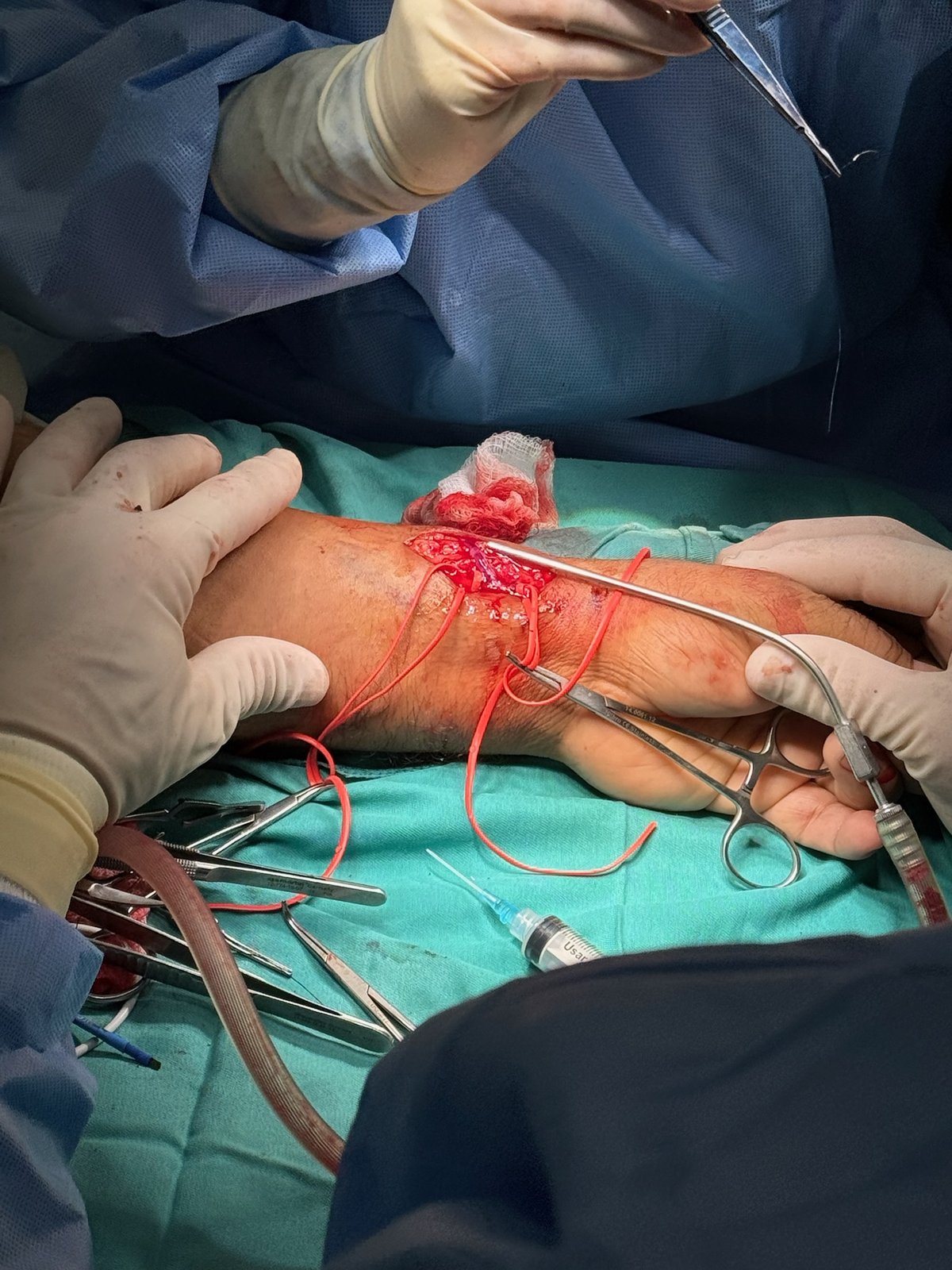
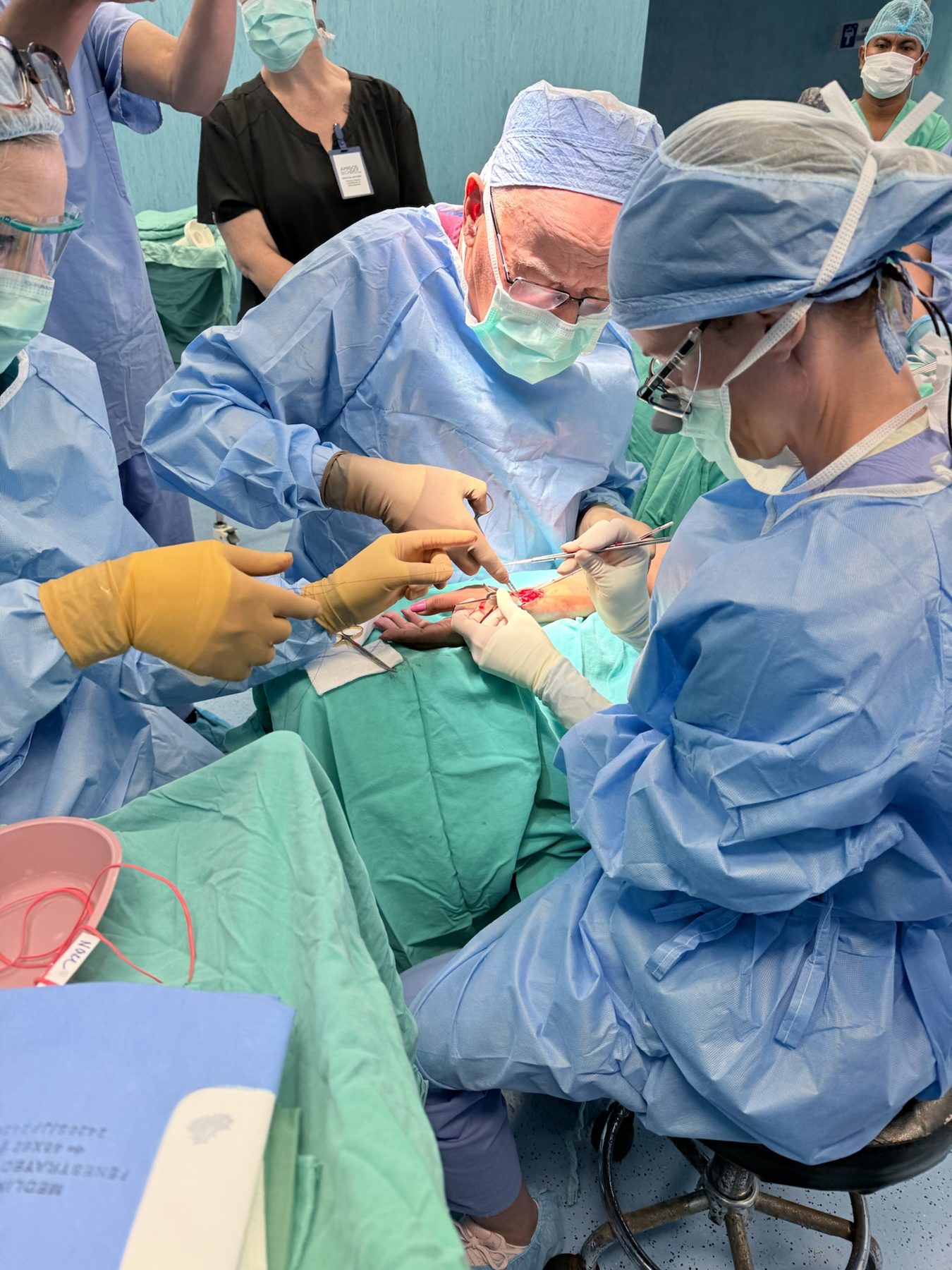
Surgeons with loupes creating an arteriovenous fistula at the wrist; patient face not shown
AV fistula surgery at the wrist. Loupes, fine instruments, a small field. The patient’s face is not shown.

Next mission

Upcoming missions

Preparations for our next mission (possibly fall 2027, Chinandega) are underway.

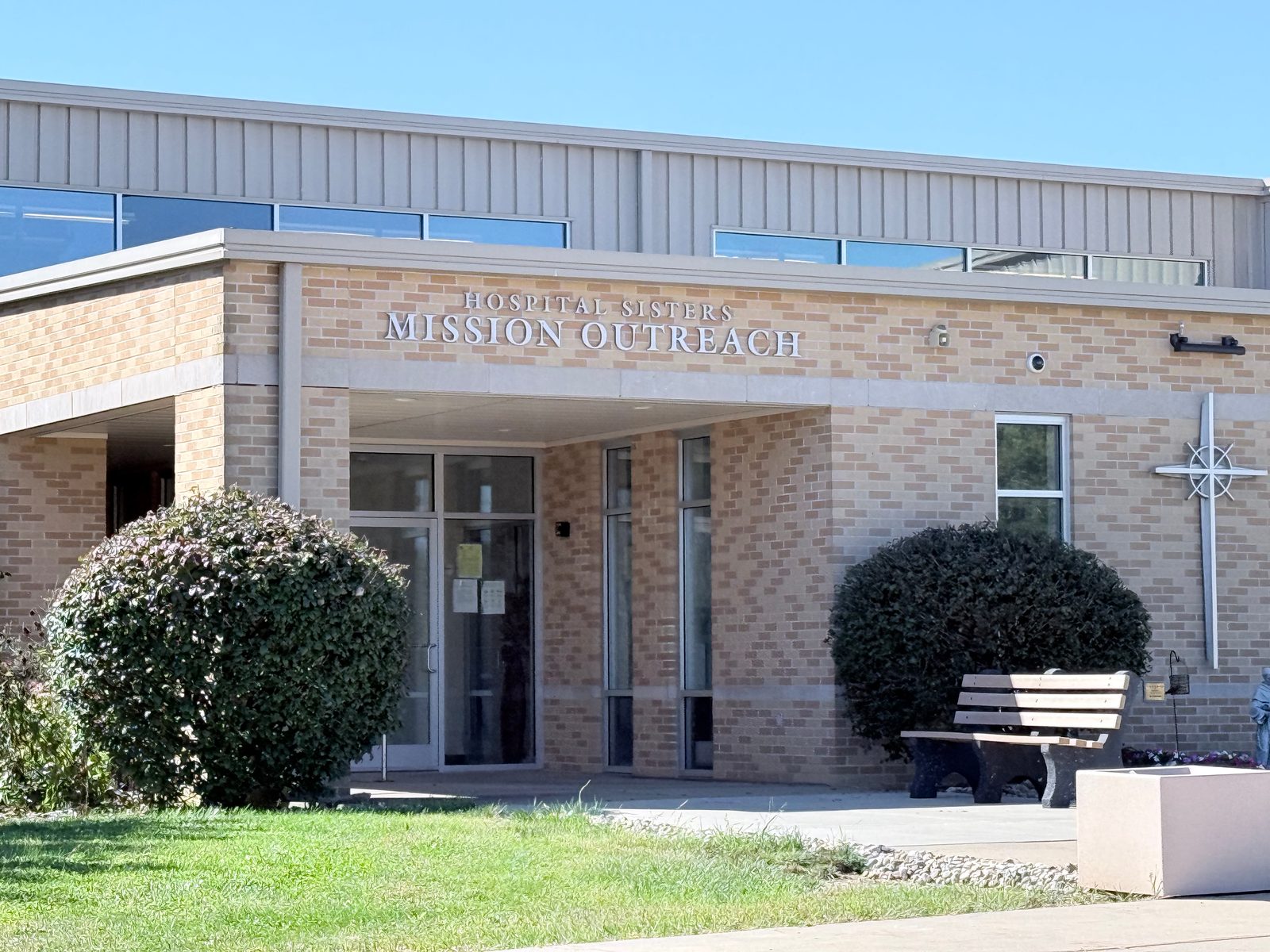
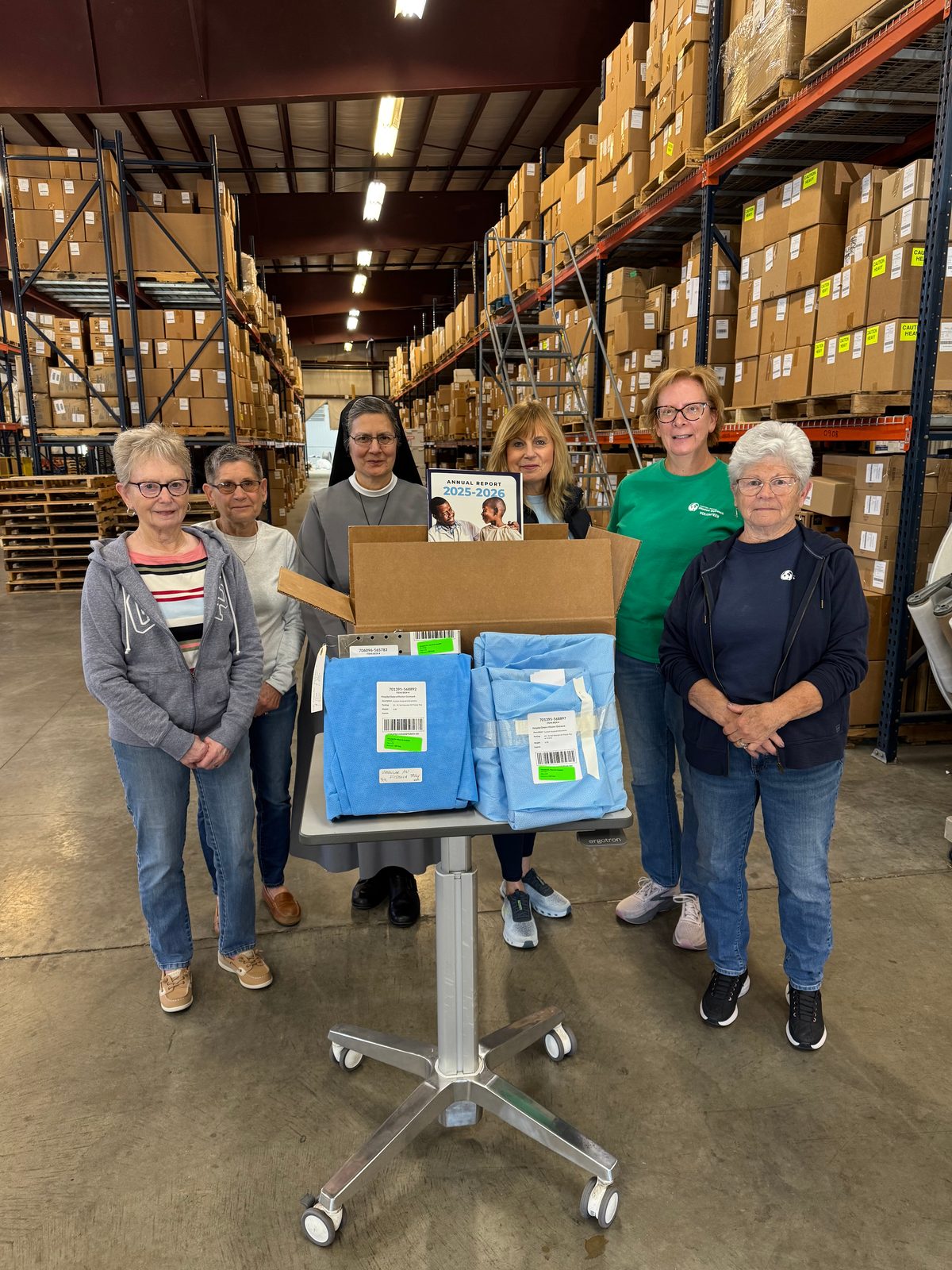
Thank you to Vicki Detmers and Hospital Sisters Mission Outreach for their help obtaining surgical instruments and supplies for our upcoming mission.

Brick entrance of the Hospital Sisters Mission Outreach building, with the organization’s name above the glass doors
Hospital Sisters Mission Outreach in Springfield, Illinois.
Six Hospital Sisters Mission Outreach volunteers in their warehouse, standing behind a cart with blue-wrapped donated surgical packs and a box of supplies
Volunteers in the Hospital Sisters Mission Outreach warehouse with donated surgical packs.

Missions

Every trip, one card

Each FAVNica mission gets its own section here: the story, the team, and the operating days. The 2026 trip was the first. Future missions will be added below as they happen.

Mission · 2026

2026 · Chinandega

31 August–4 September 2026 · Hospital Dr. Mauricio Abdalah · Hosted by Amigos for Christ · 25 fistulas created

Chinandega · 2026

Why we came

As far as we know, this is the first mission team put together just to create and teach AV fistulas in Nicaragua.

We created 25 arteriovenous fistulas.

From 31 August to 4 September 2026, we stayed at the Amigos for Christ compound in Chinandega and operated at Hospital Dr. Mauricio Abdalah. We came to make arteriovenous fistulas: sew an artery to a vein so people who need hemodialysis can be needled in their own vessel instead of living with a plastic tube in the neck.

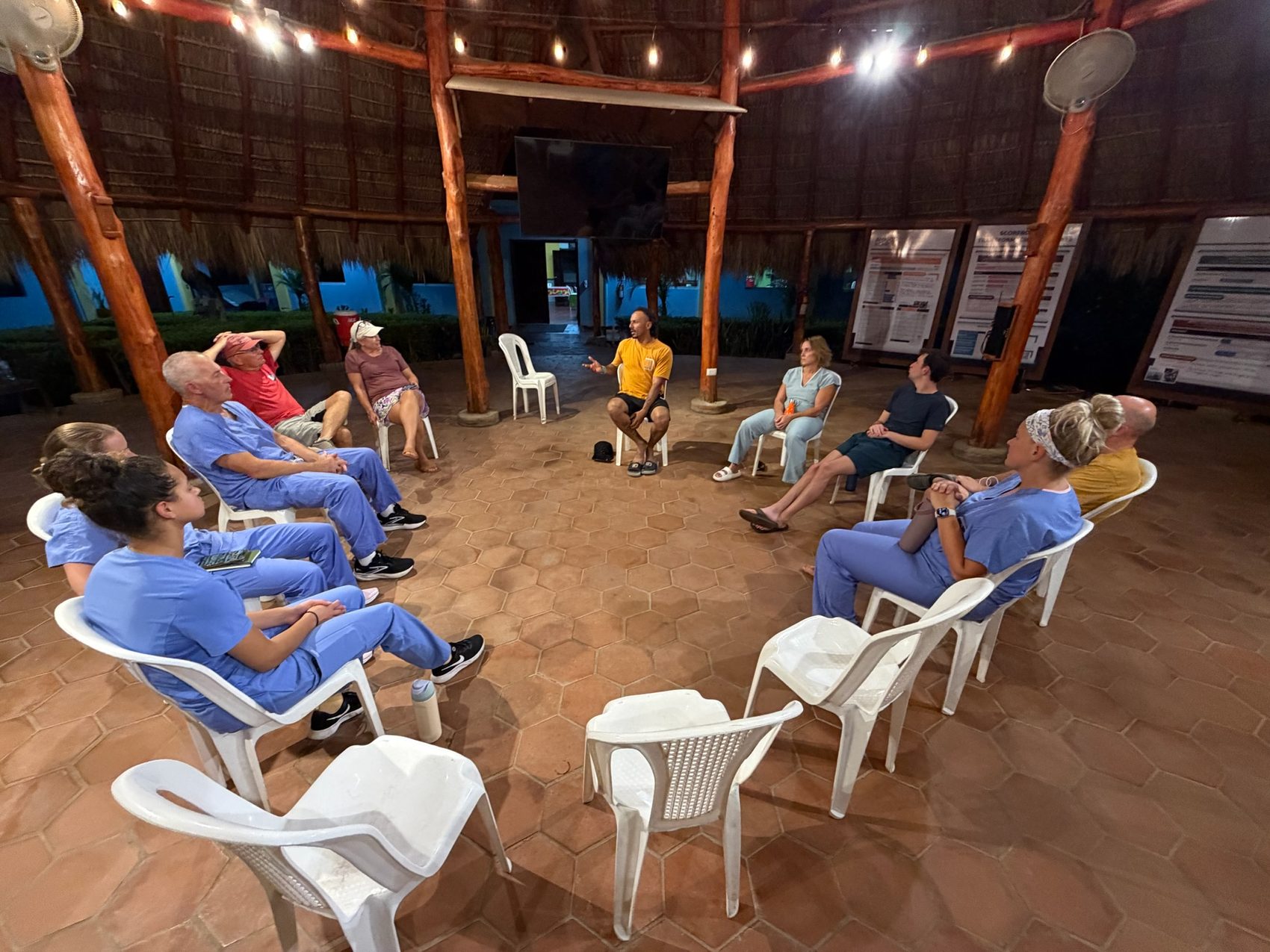
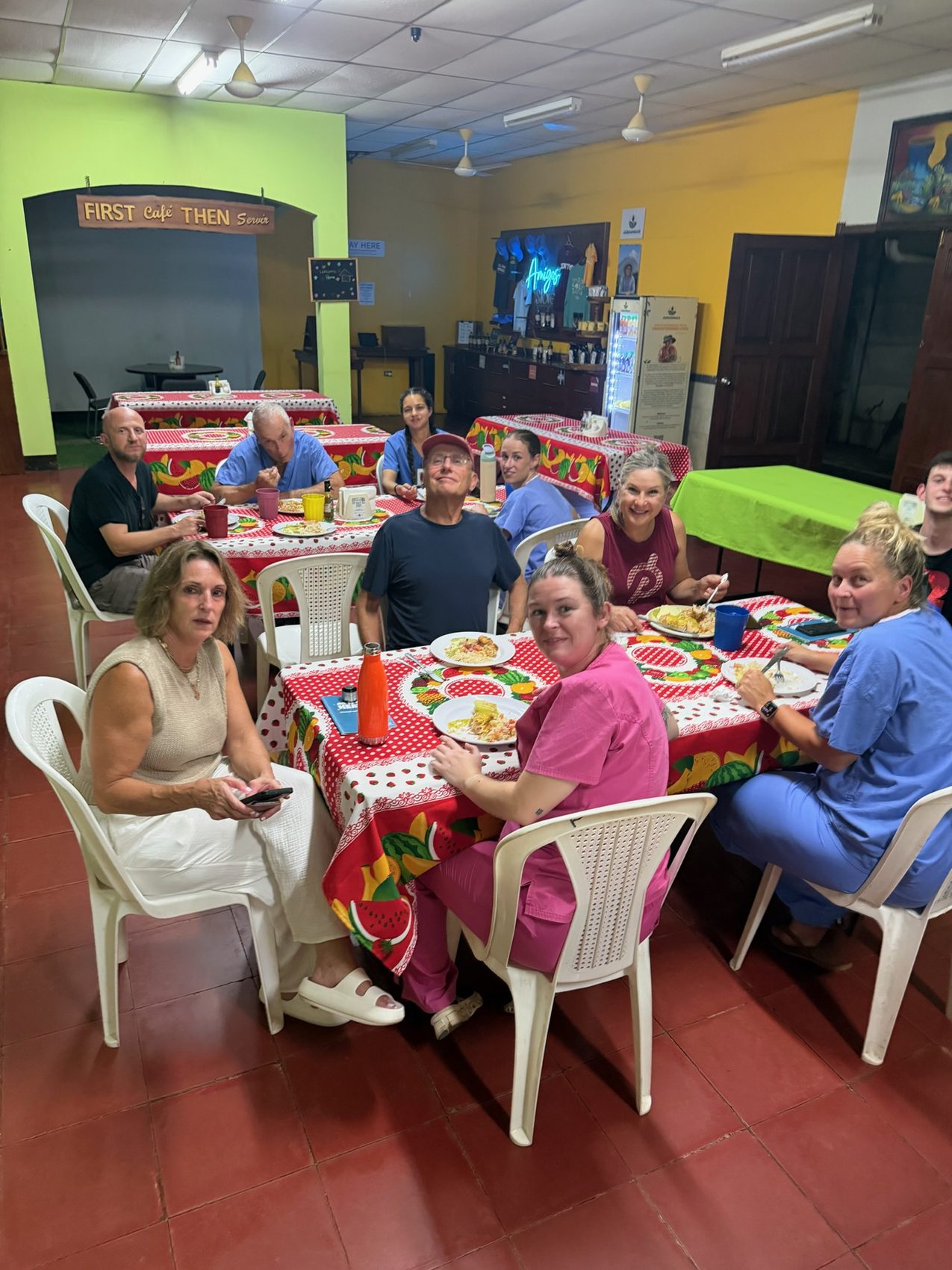
Amigos for Christ, based in Buford, Georgia, has been here a long time. We worked with Nicaraguan surgeons, nurses, and hospital staff: two teams in the same rooms, sharing tables, language, and the day’s list. When the schedule allowed, evenings ended with a devotional under the palapa.

This is our record of the 2026 week: who came, how the operating days ran, and the 25 fistulas we created. Not every arm can be sewn.
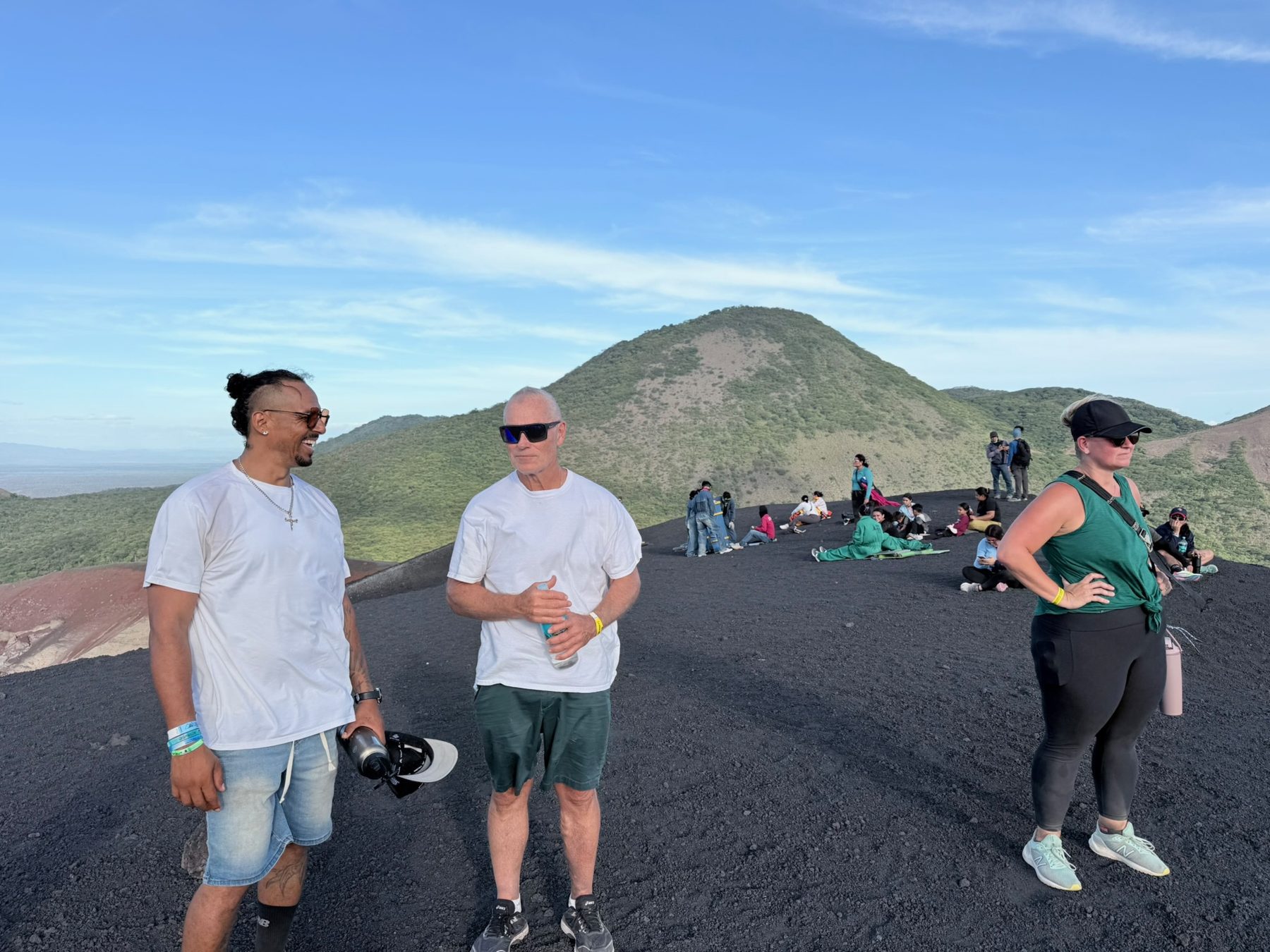
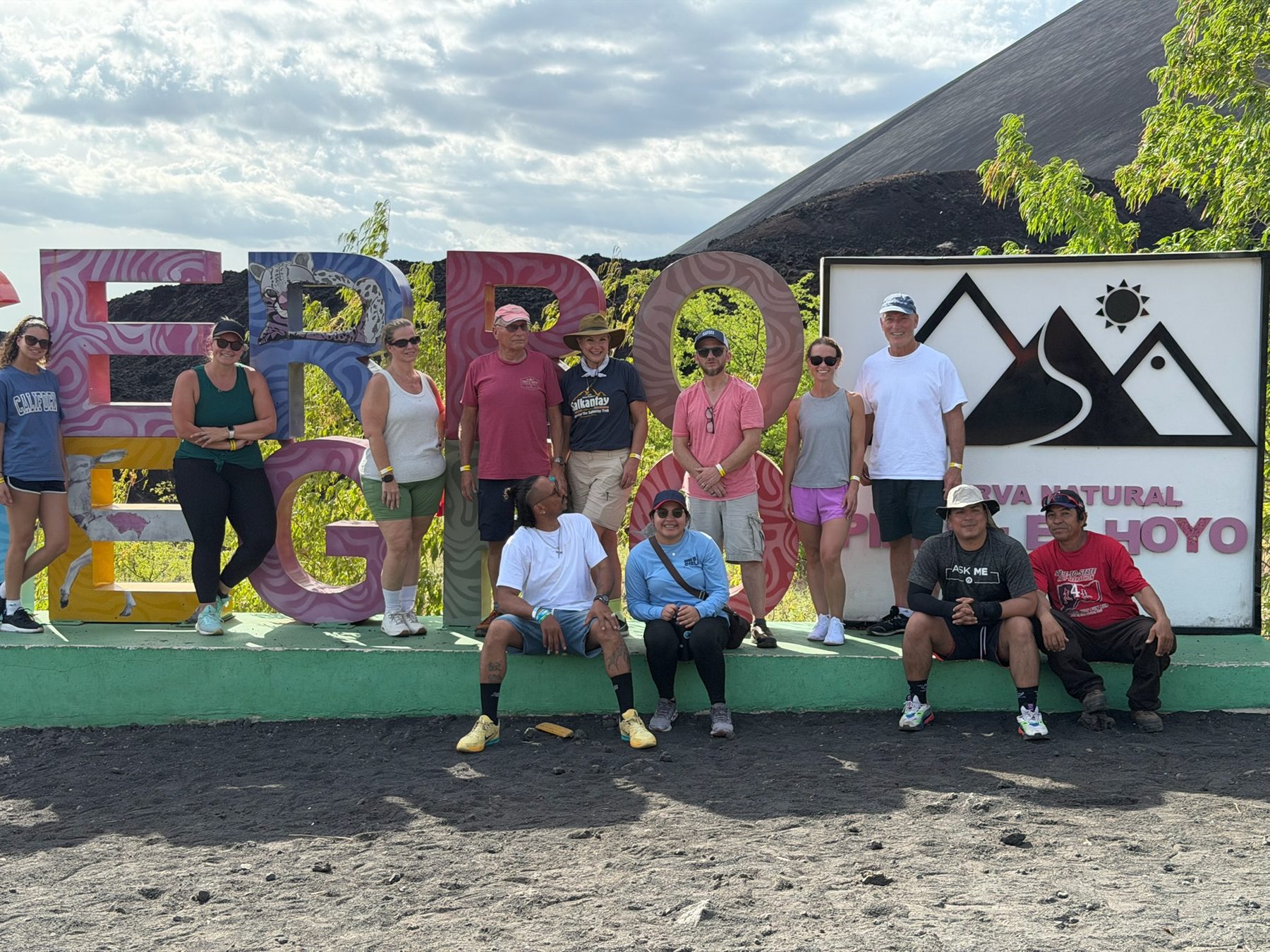
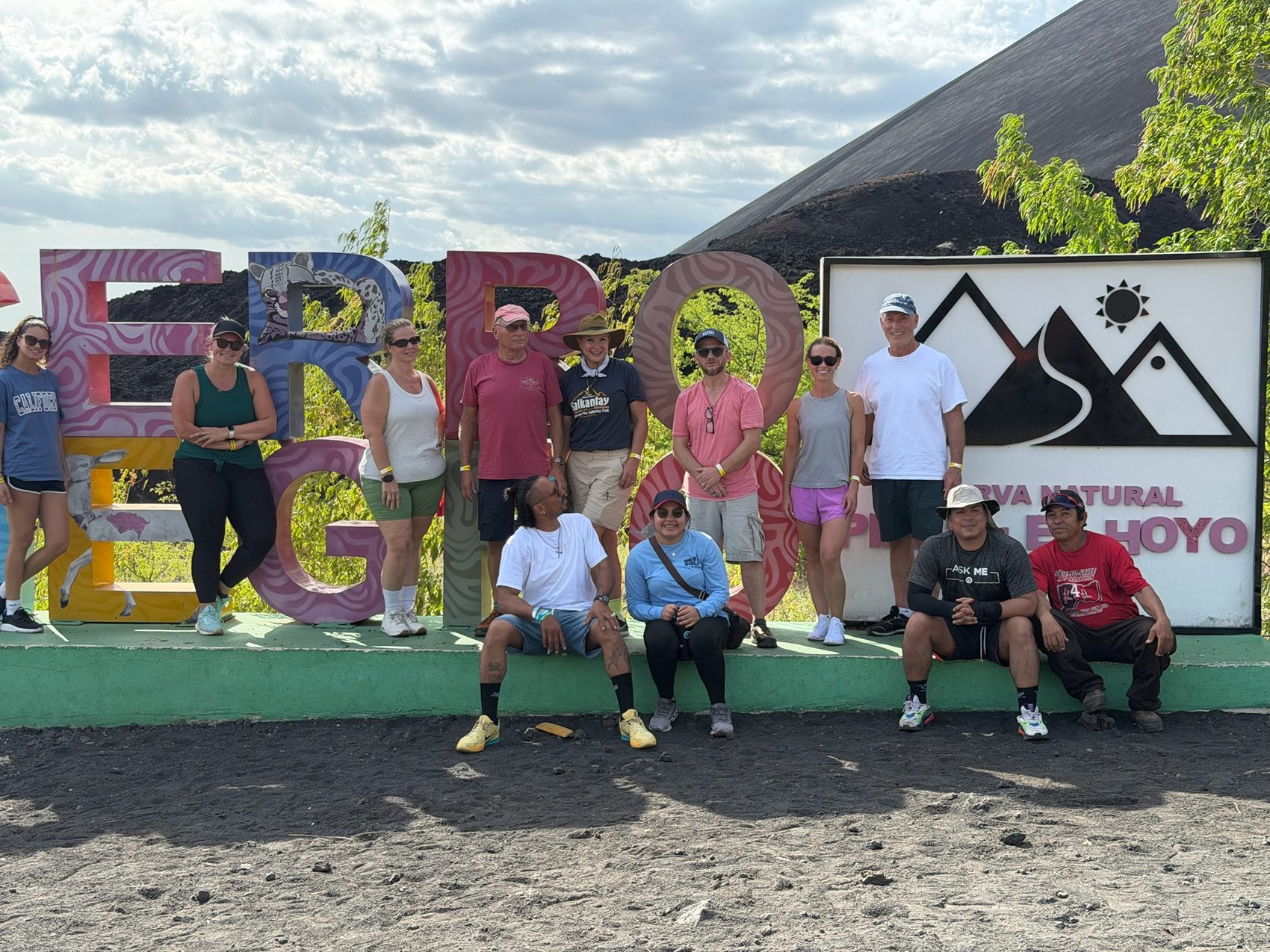
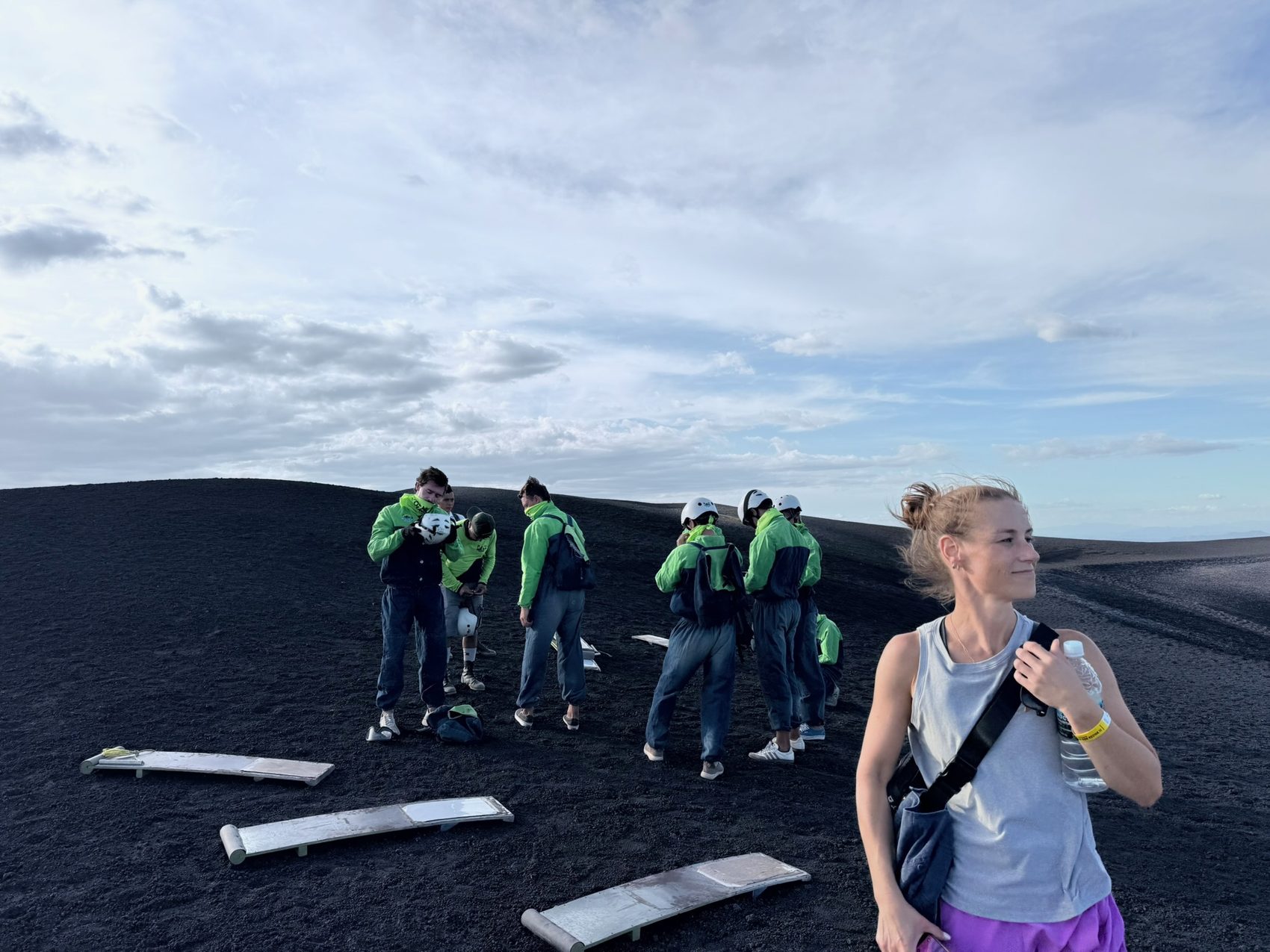
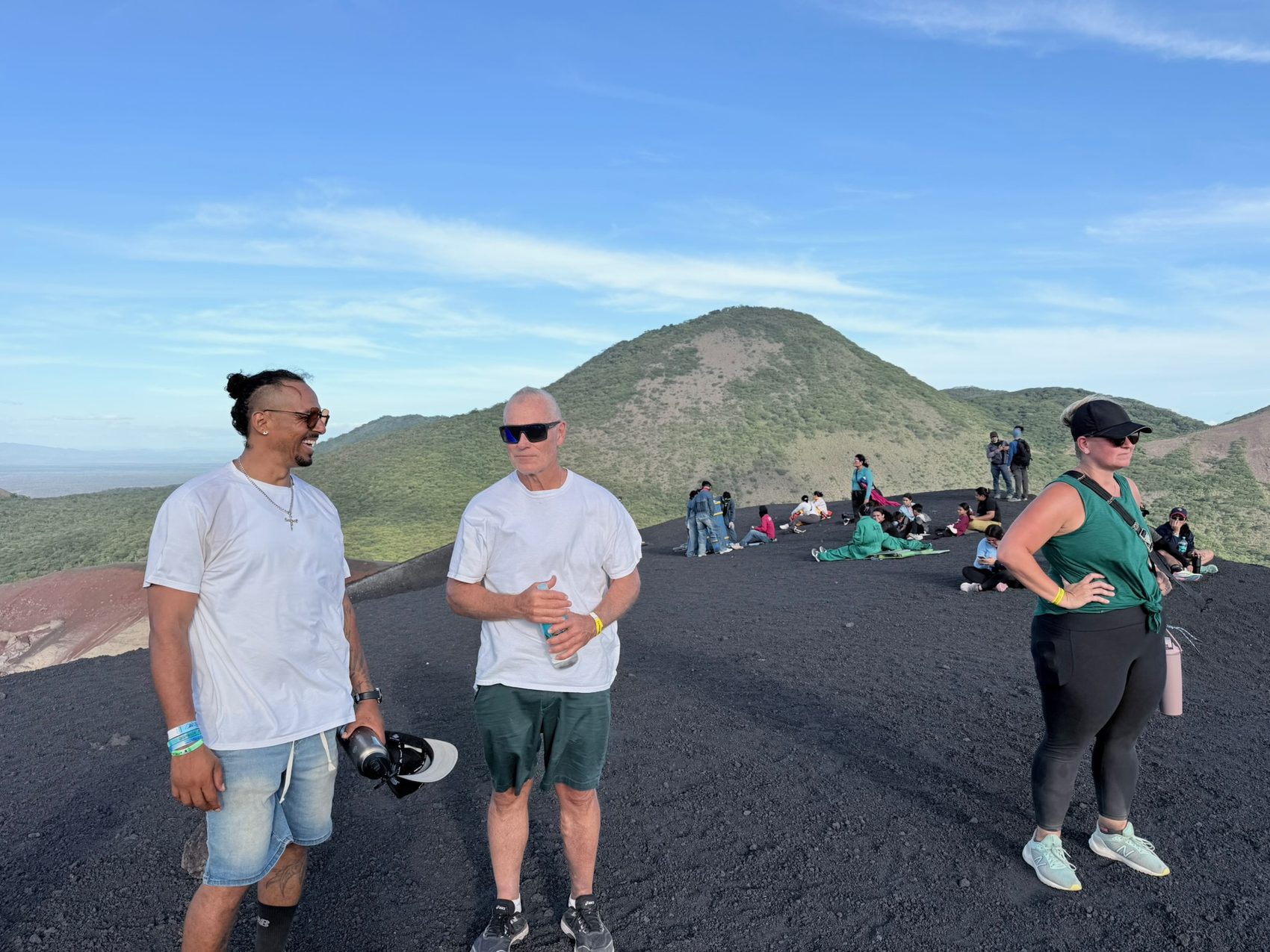
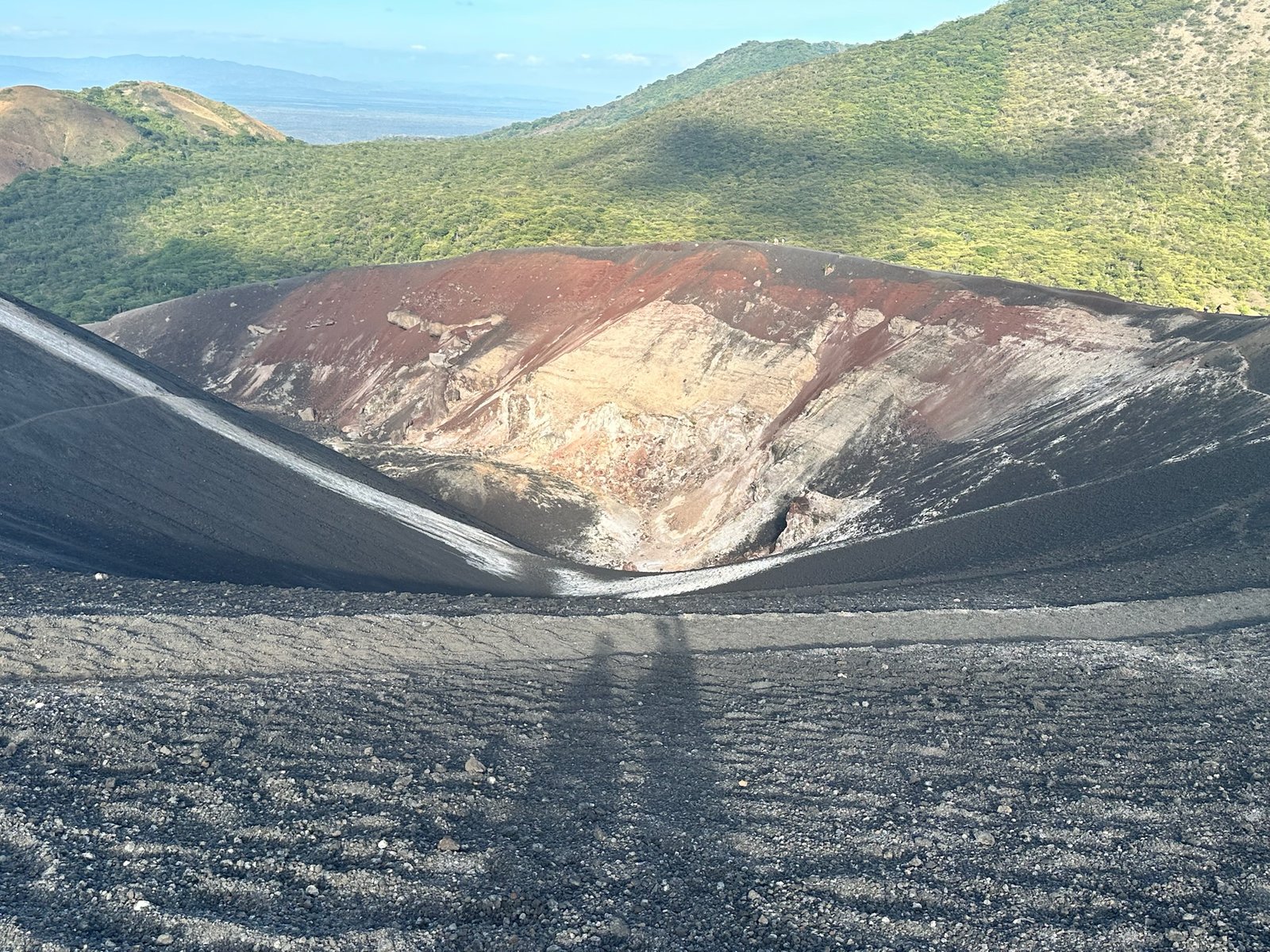
Team standing on the cinder-cone summit
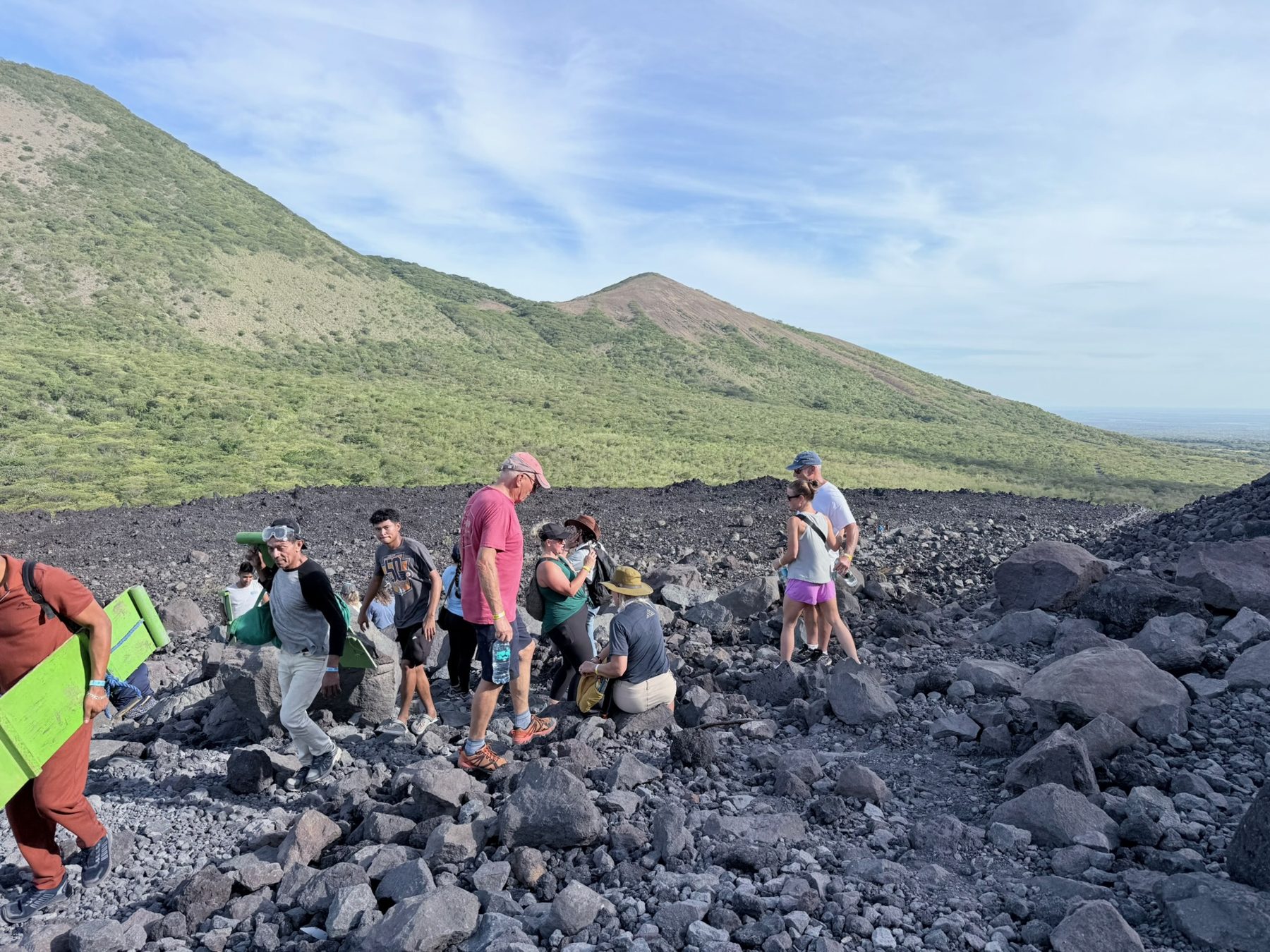
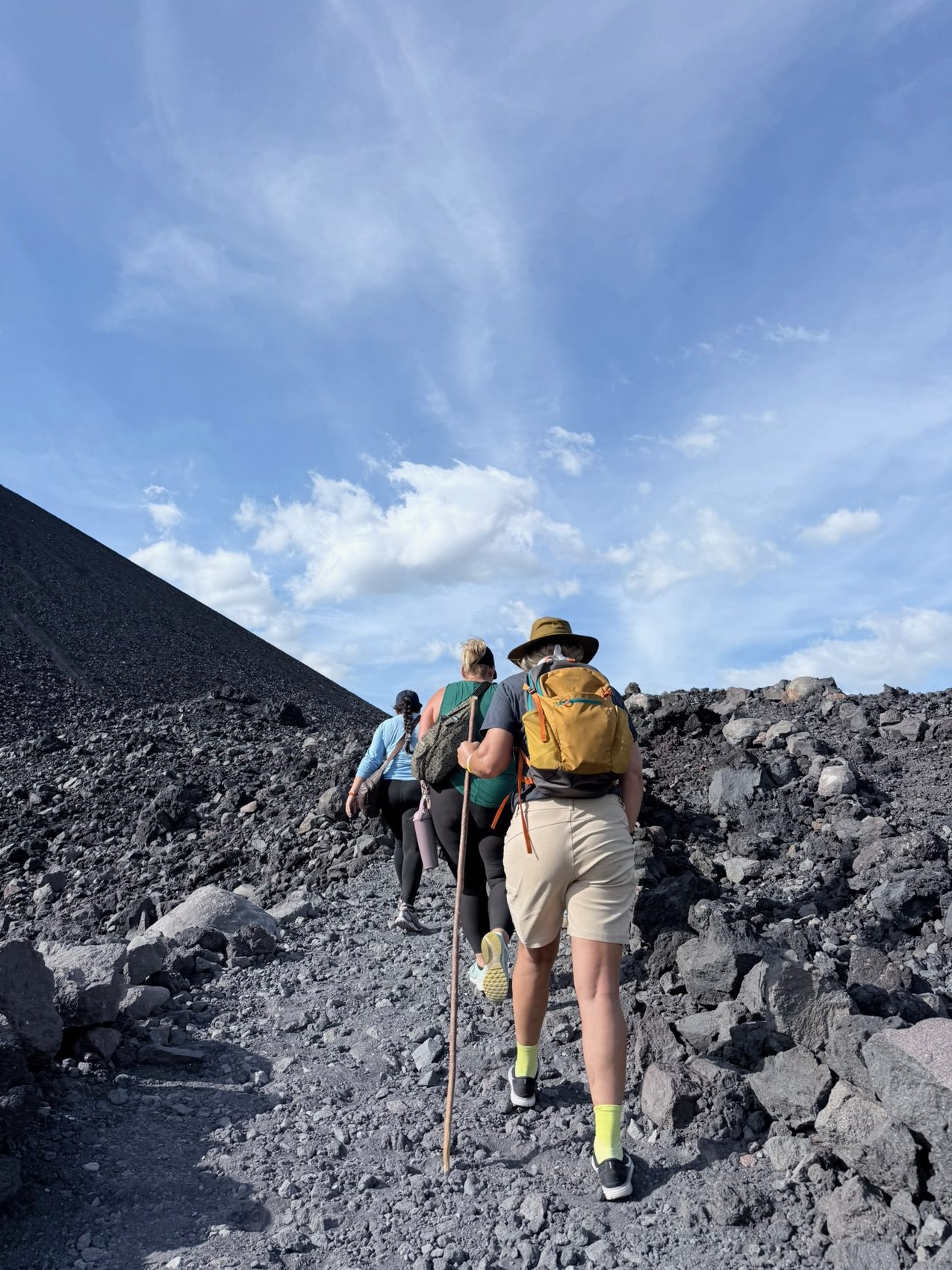
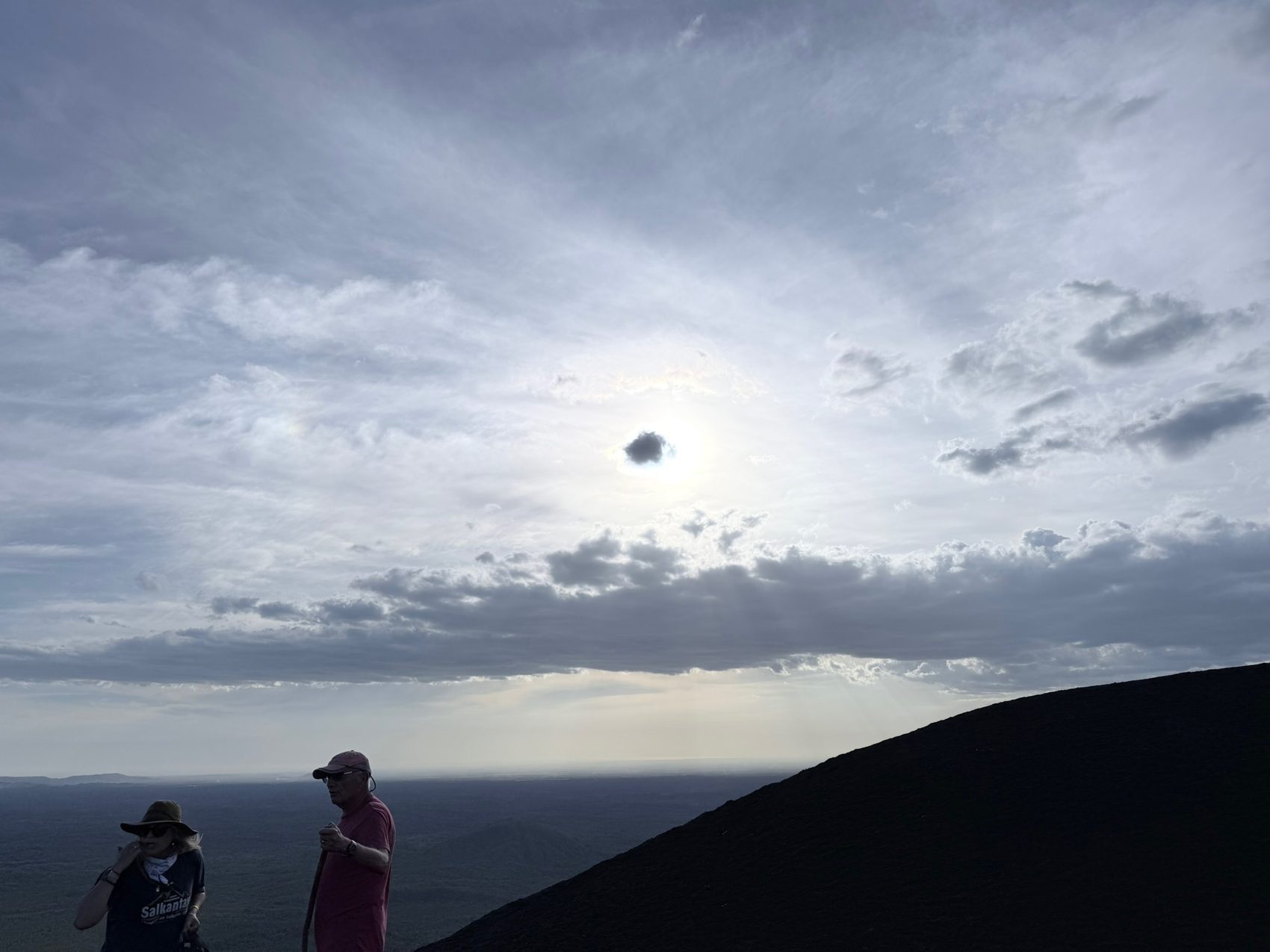
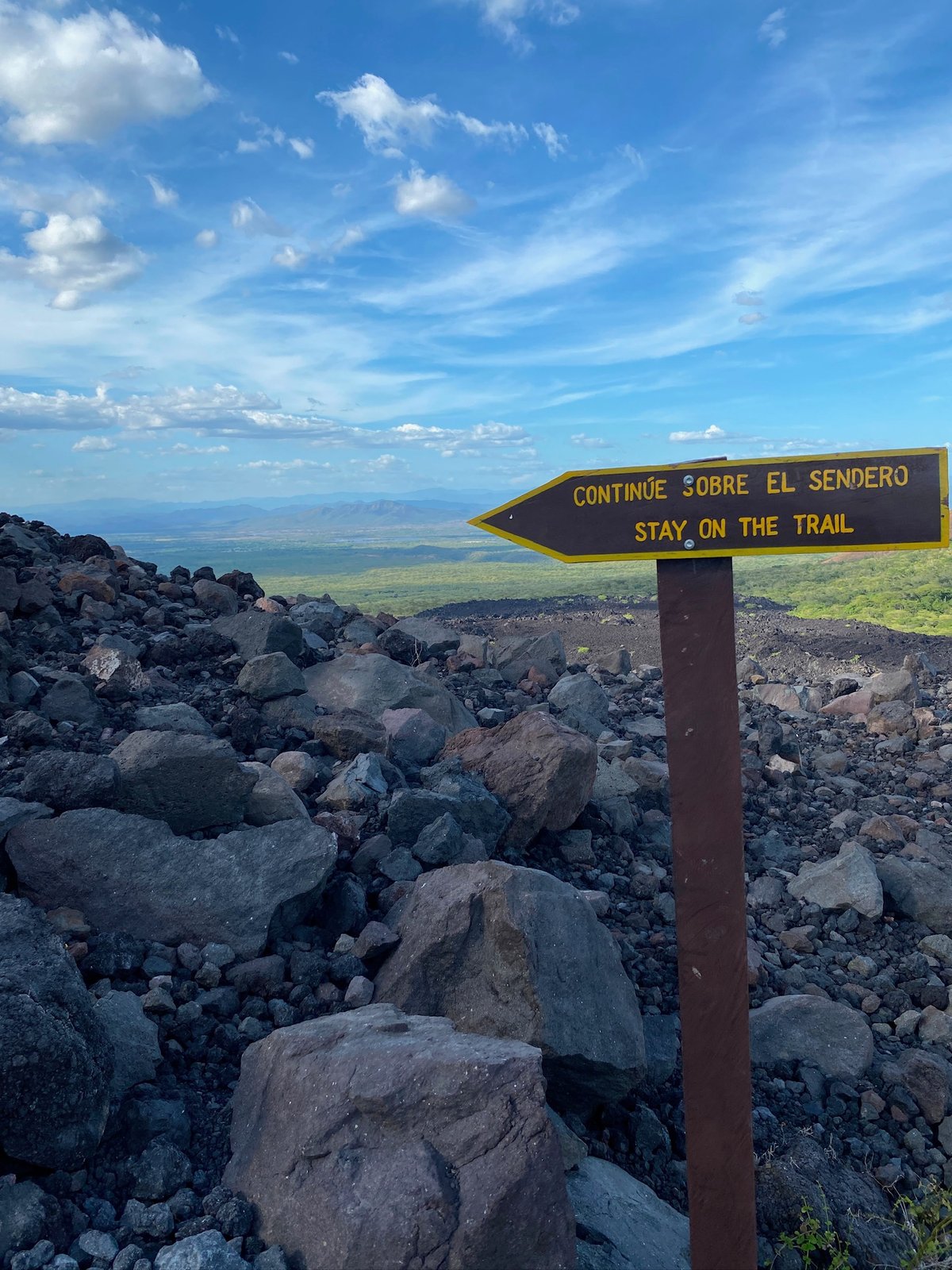
On the cinder cone. Heat, ash, and the Pacific-side sky — the same climate that shapes work in the cane fields below.

06

Inside the operation

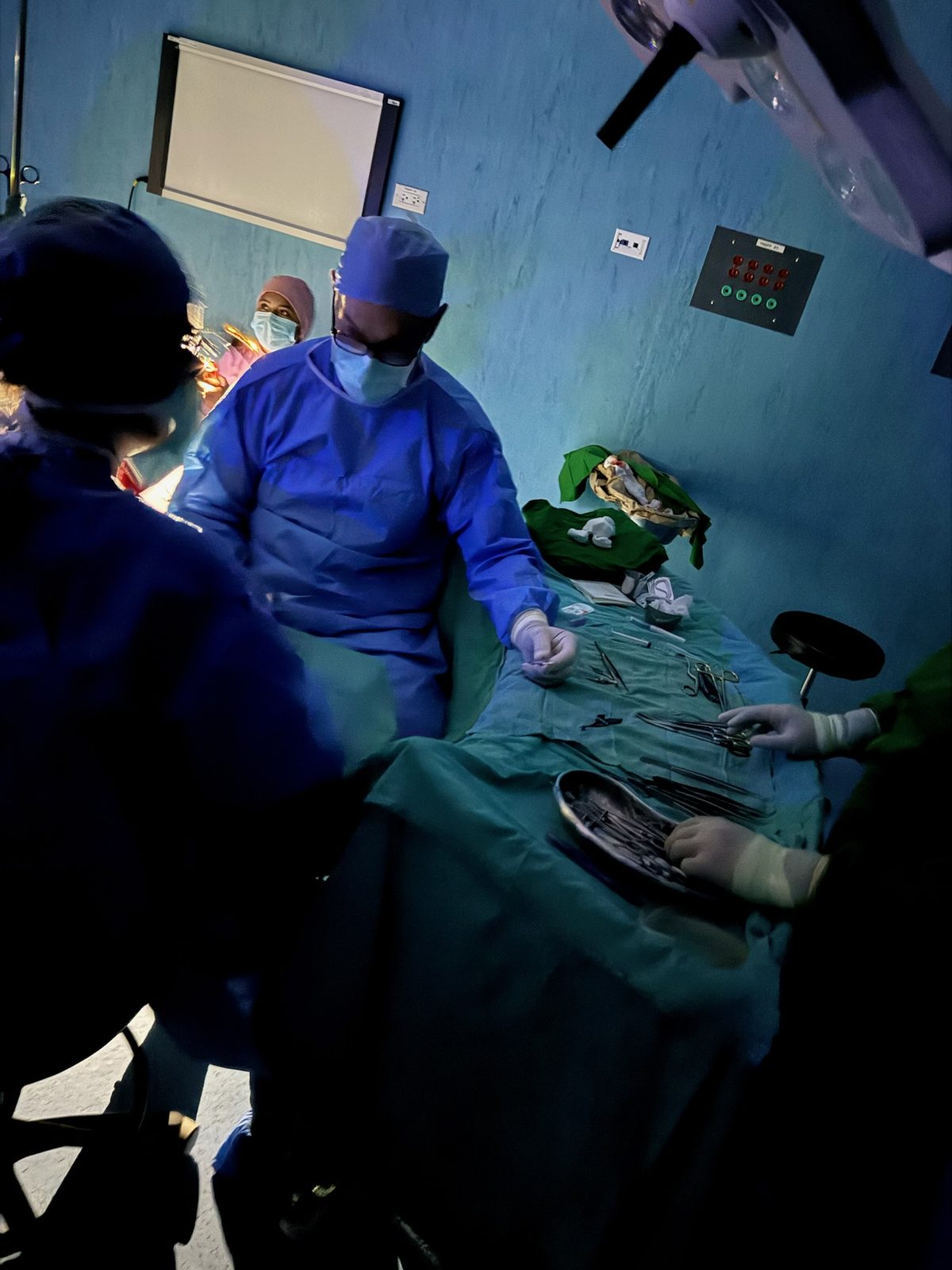
The first step is mapping the vessels so the best artery and vein can be chosen. Once those are isolated, vessel loops and bulldog clamps keep the field dry and controlled. The anastomosis itself is fine work—usually 6-0 or 7-0 polypropylene—done under loupes with Castroviejo or Potts scissors, microvascular forceps, needle drivers, rubber shods, and heparinized saline. Success is immediate and unmistakable: a palpable thrill in the vein, the low hum you can feel with two fingers.

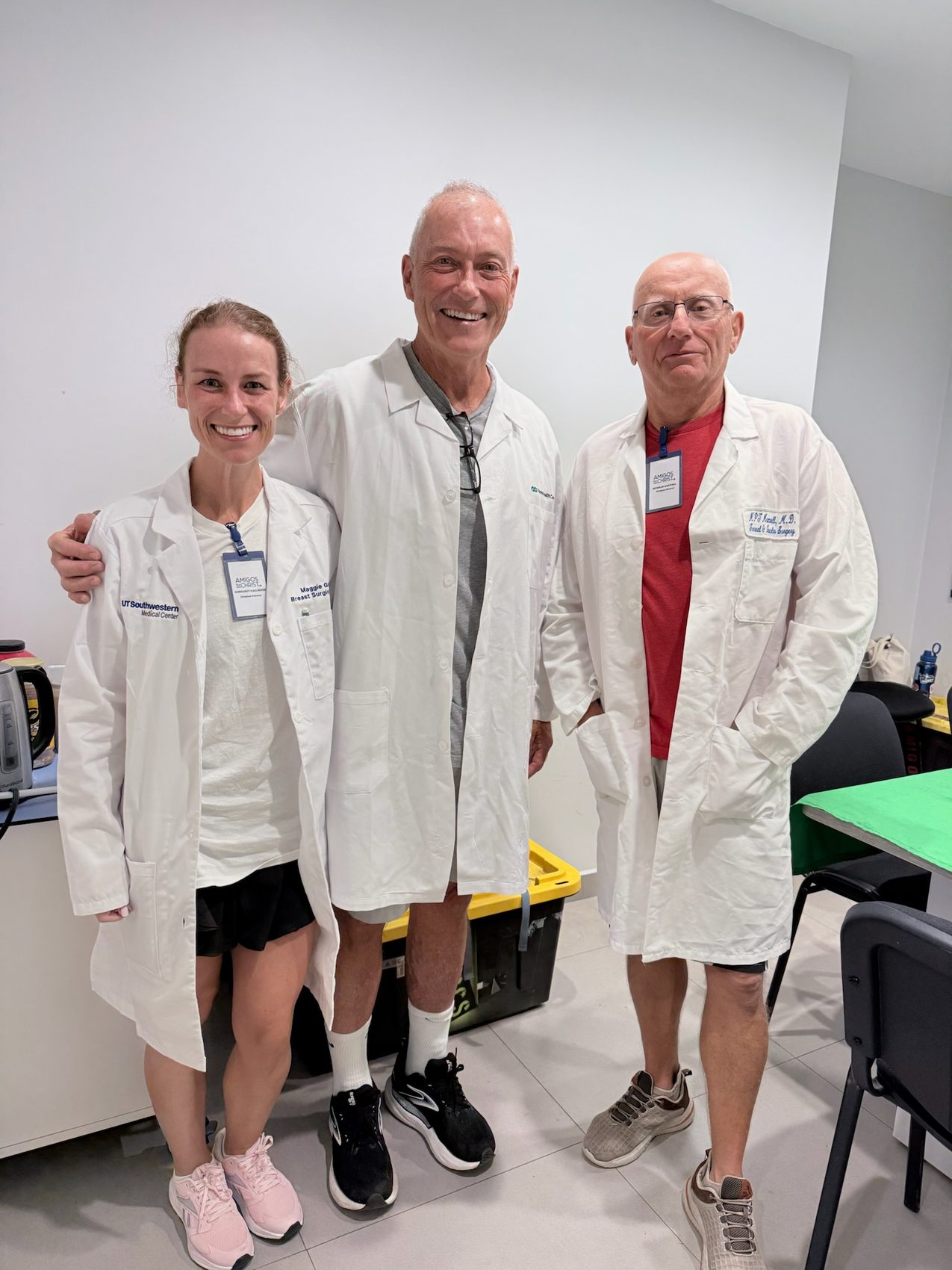
This is delicate vascular surgery. Experienced general surgeons perform it here, working shoulder to shoulder with Nicaraguan colleagues in the same rooms. Nicholas Peter Maxwell and Margaret Eileen Gallagher operate as the primary fistula surgeons. Thomas James Gallagher assists—extra hands at the table, not the lead unless asked.

  • Vessel mapping
  • Vessel loops
  • Bulldog clamps
  • 6-0 / 7-0 polypropylene
  • Surgical loupes
  • Castroviejo / Potts
  • Microvascular forceps
  • Needle drivers, shods
  • Heparinized saline
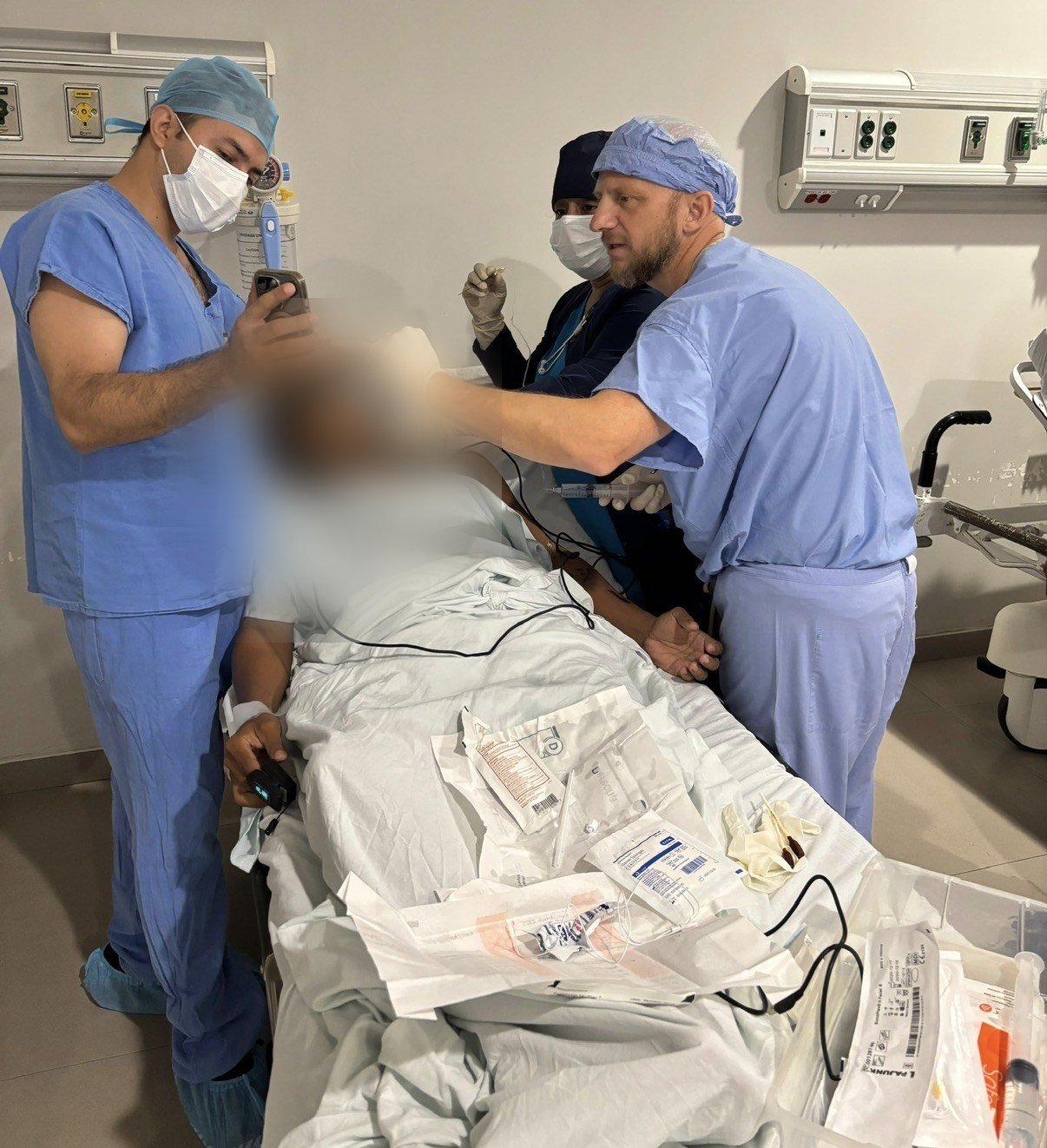
Ultrasound-guided brachial plexus block with Butterfly probe; patient face blurred
Brachial-plexus block guided by handheld ultrasound. Patient face blurred.

07

Awake

Most of these operations are done awake. Jared E. Boyd, the anesthesiologist, places a brachial-plexus block (axillary, supraclavicular, or similar) and local anesthetic at the field. We avoid general anesthesia when we can. Kidney failure already taxes the heart, potassium, and fluid balance. A quiet, numb arm is often enough, and the block helps with pain afterward.

The block is guided with a Butterfly iQ+ handheld ultrasound, a probe that plugs into a phone, so the image travels with the team instead of a cart.
butterflynetwork.com

Two surgeons wearing loupes operating on an arm; patient face not shown
Two surgeons, loupes on, over an arm. No patient face.
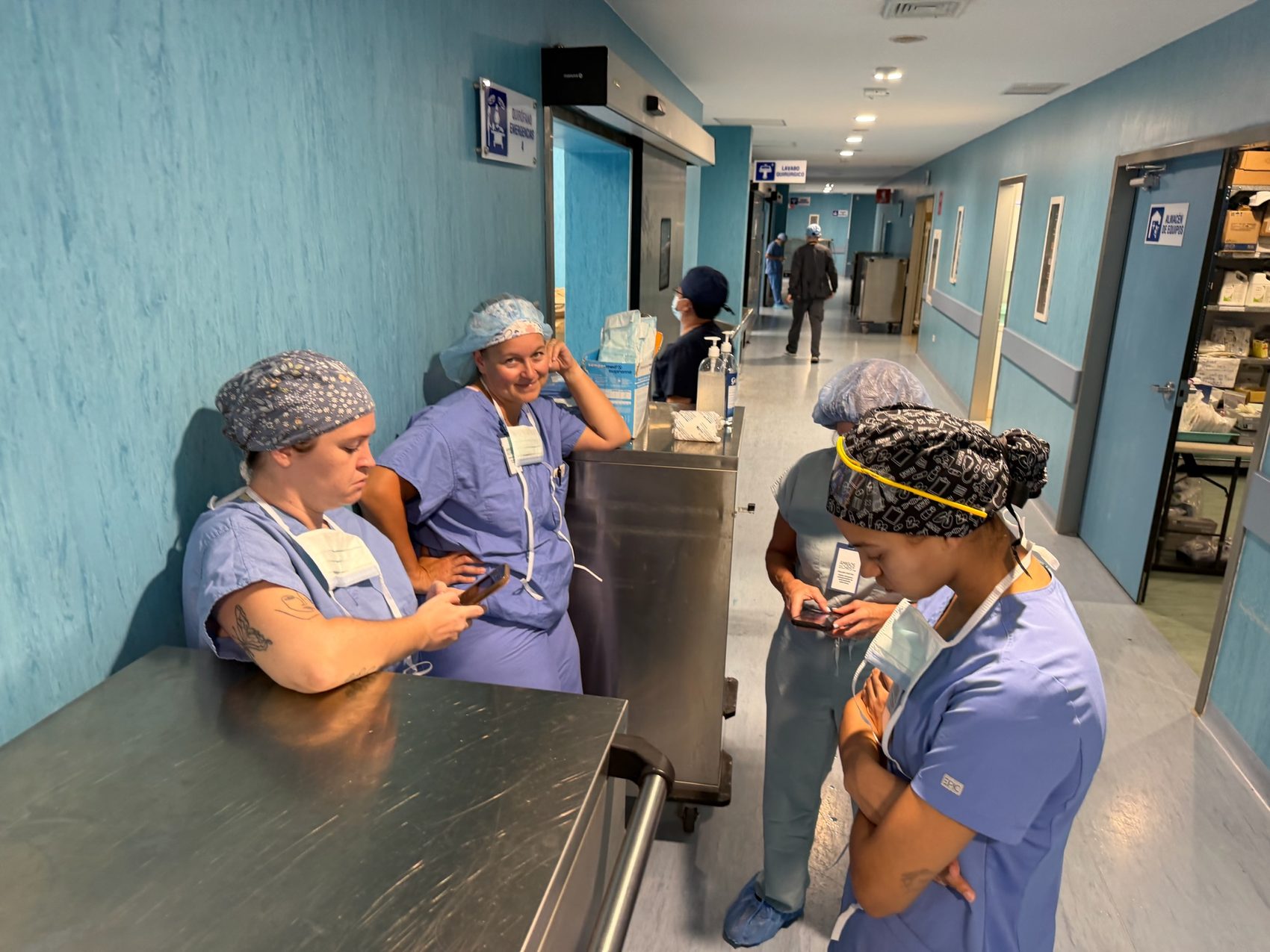
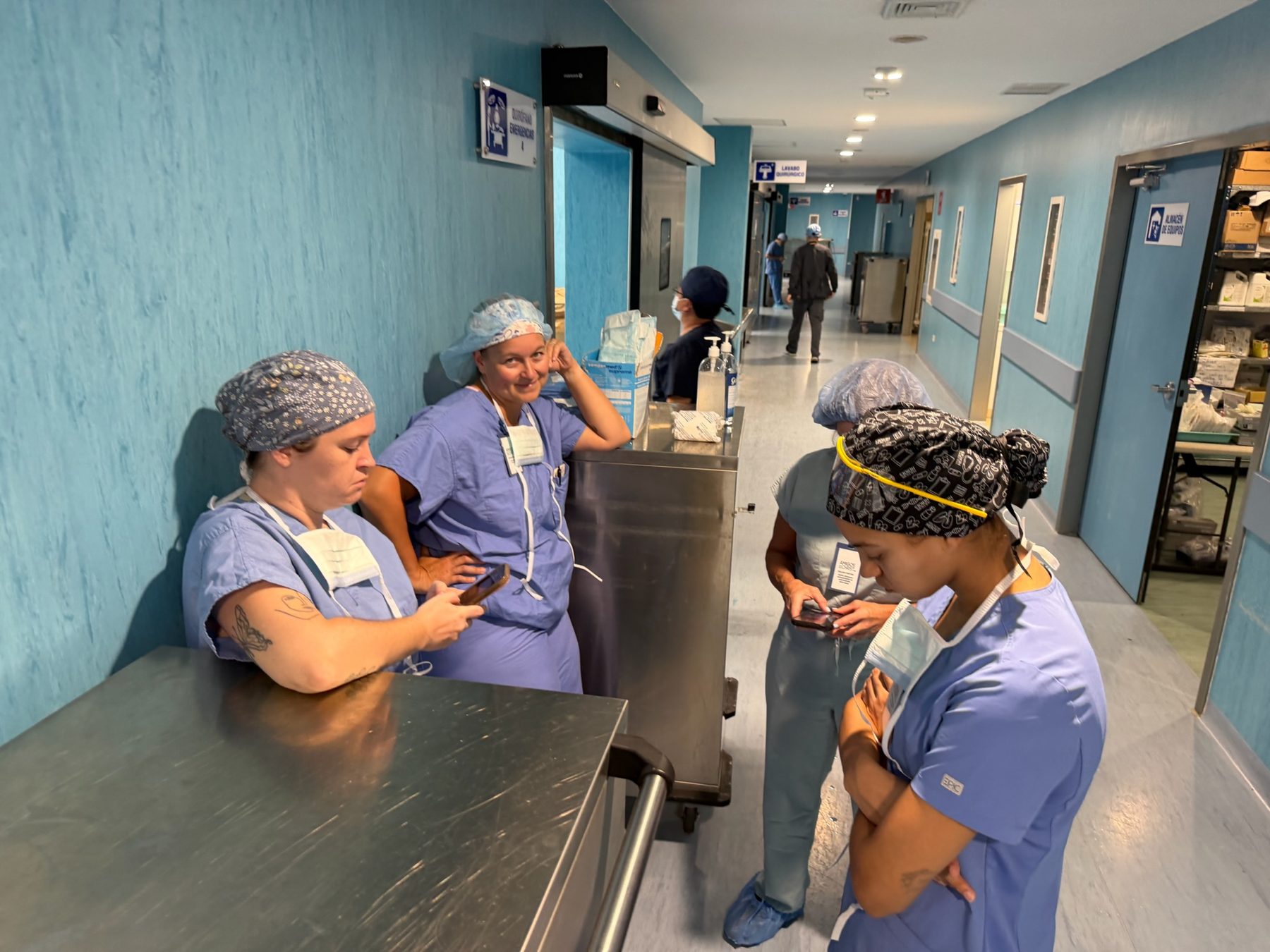
Hospital surgical corridor with signs for emergency operating rooms and surgical scrub
The OR corridor at Hospital Dr. Mauricio Abdalah: QUIRÓFANOS EMERGENCIAS, LAVADO QUIRÚRGICO.

08

How the week ran

Hospital protocol here is not the U.S. same-day fistula. Patients come in the night before and go home the day after: two nights in a bed, families in the hallway. Across those operating days, we created 25 arteriovenous fistulas.

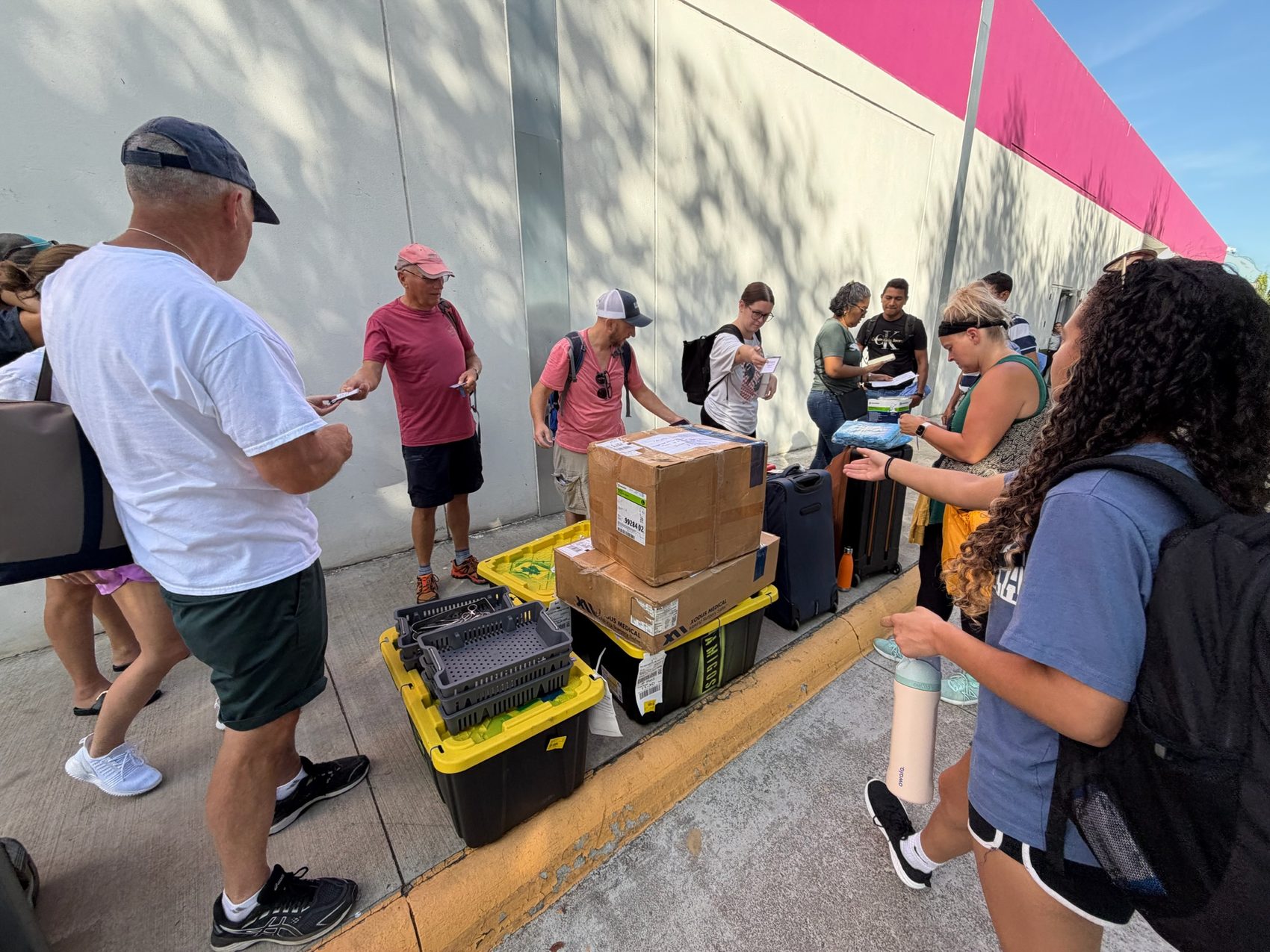
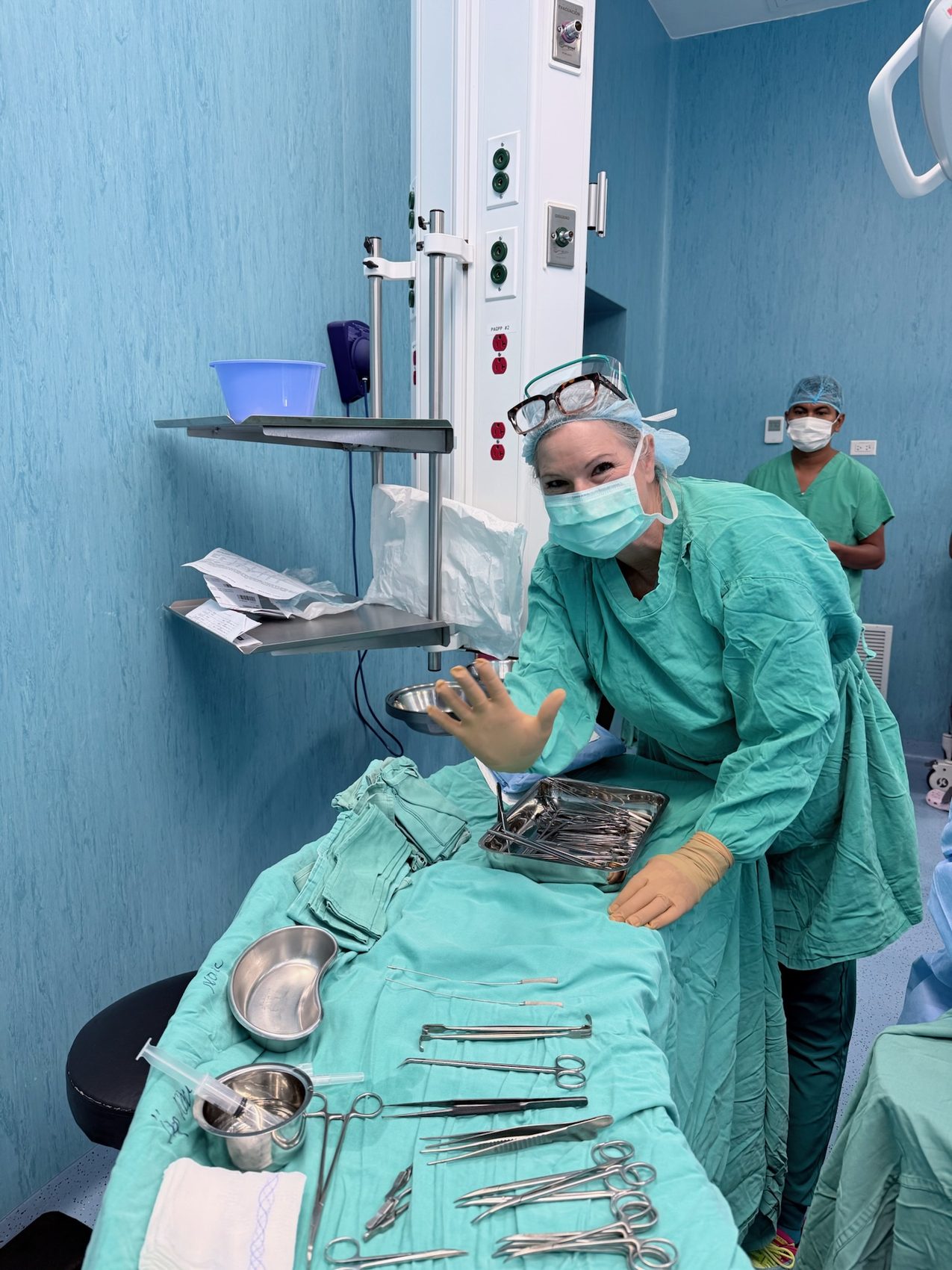
  1. Sunday · setup Pre-screening in two consult rooms. OR setup. Instruments to sterilize. Materials to the hospital at 8:00 a.m.
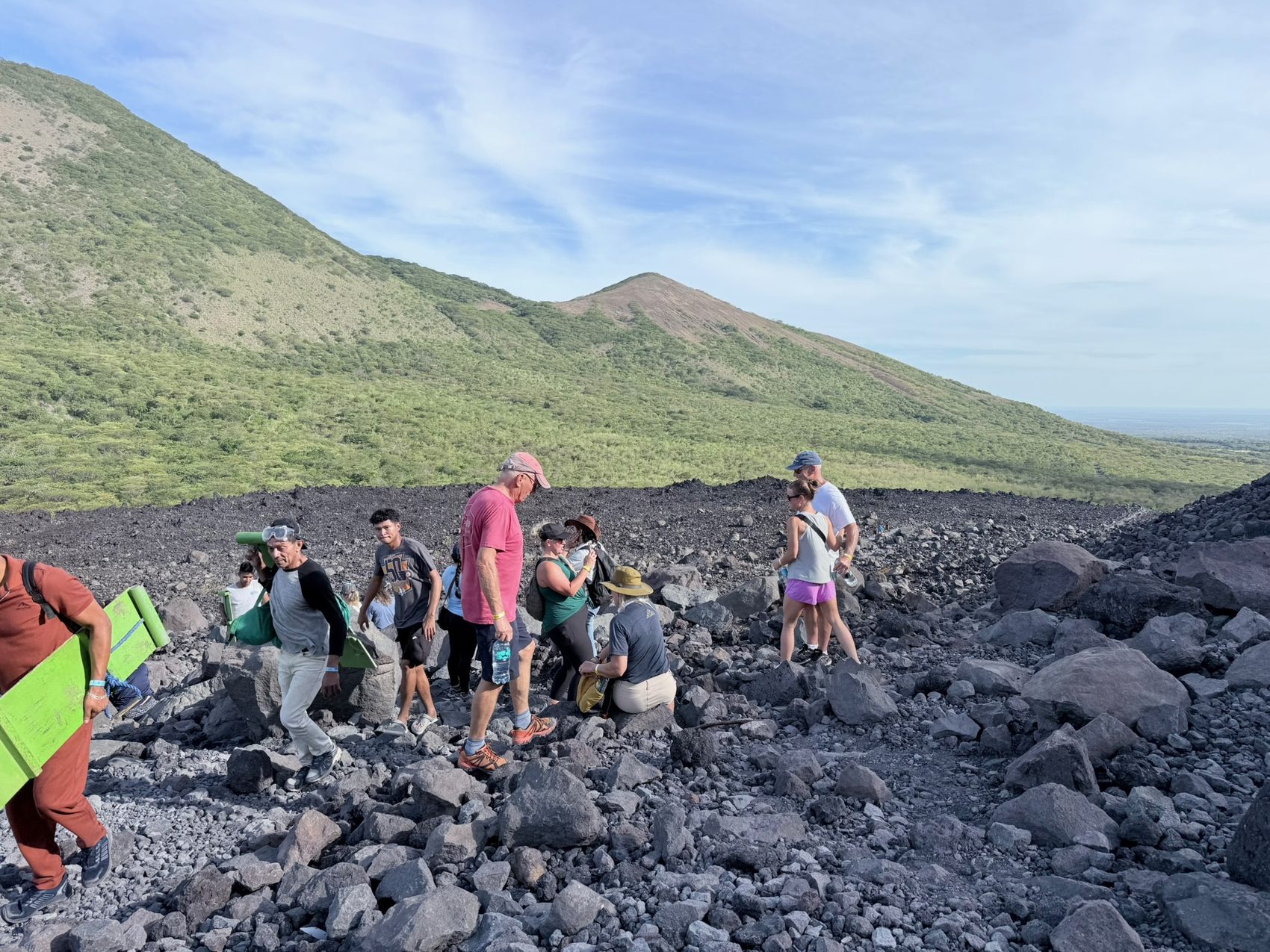
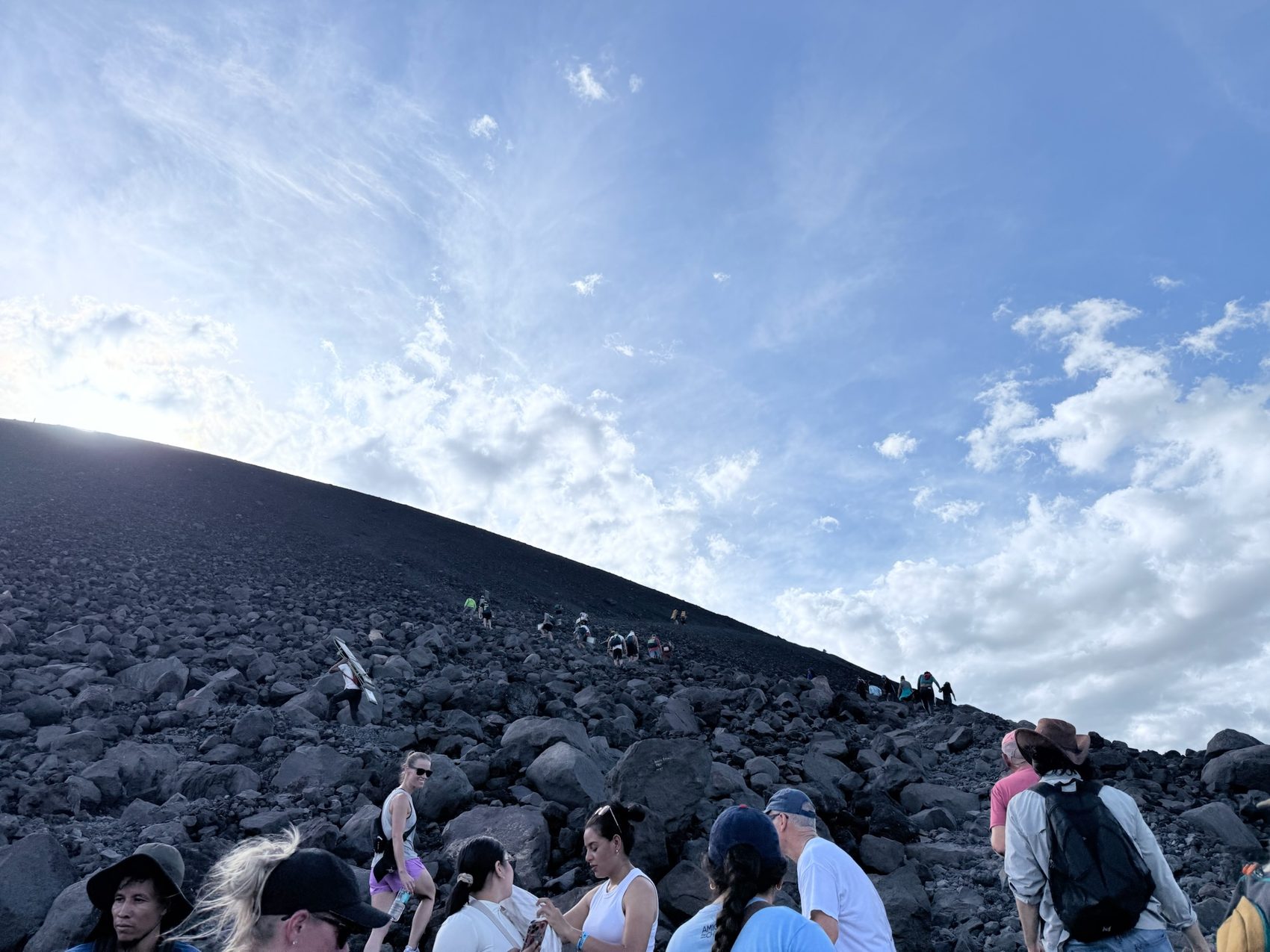
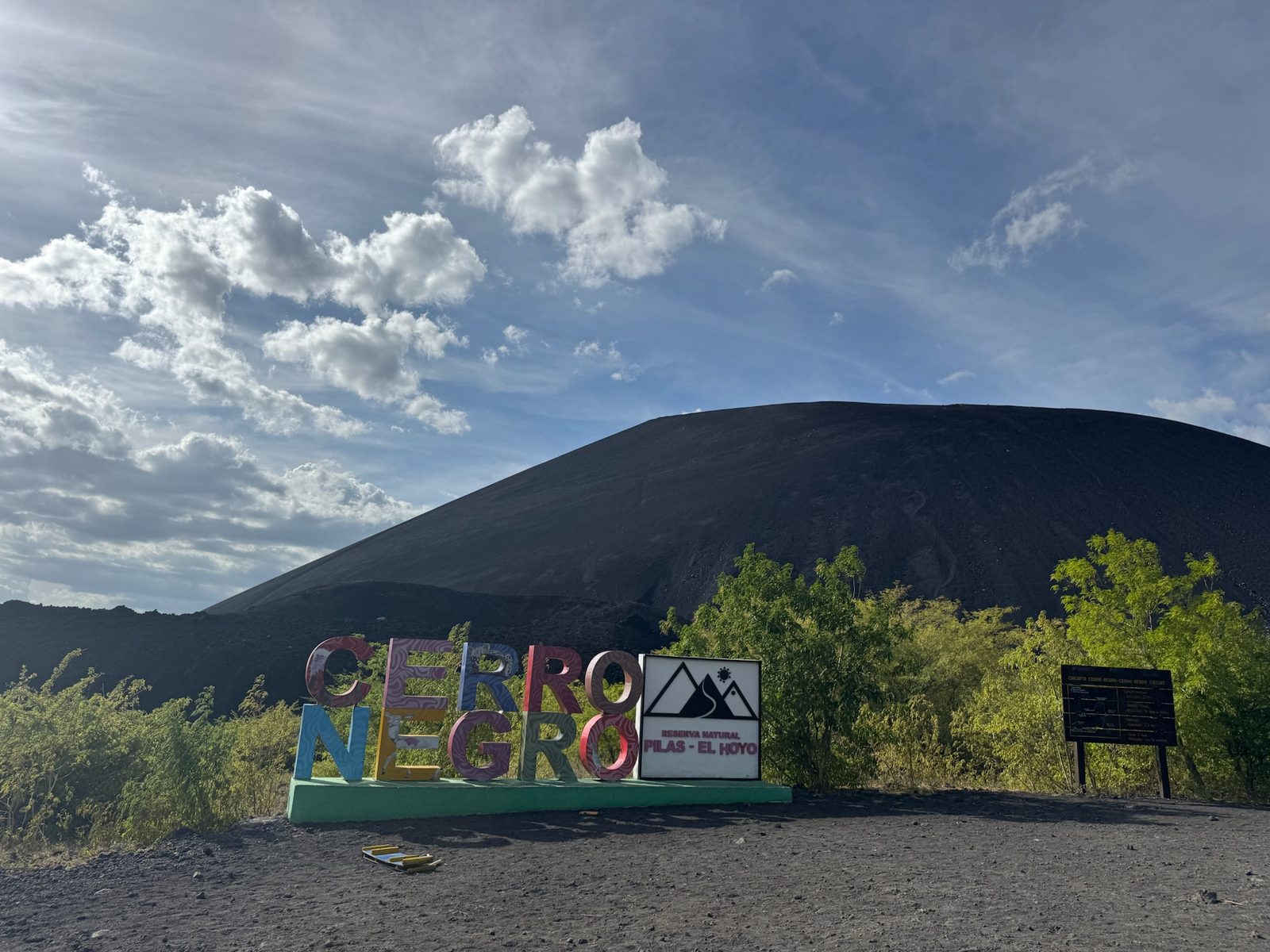
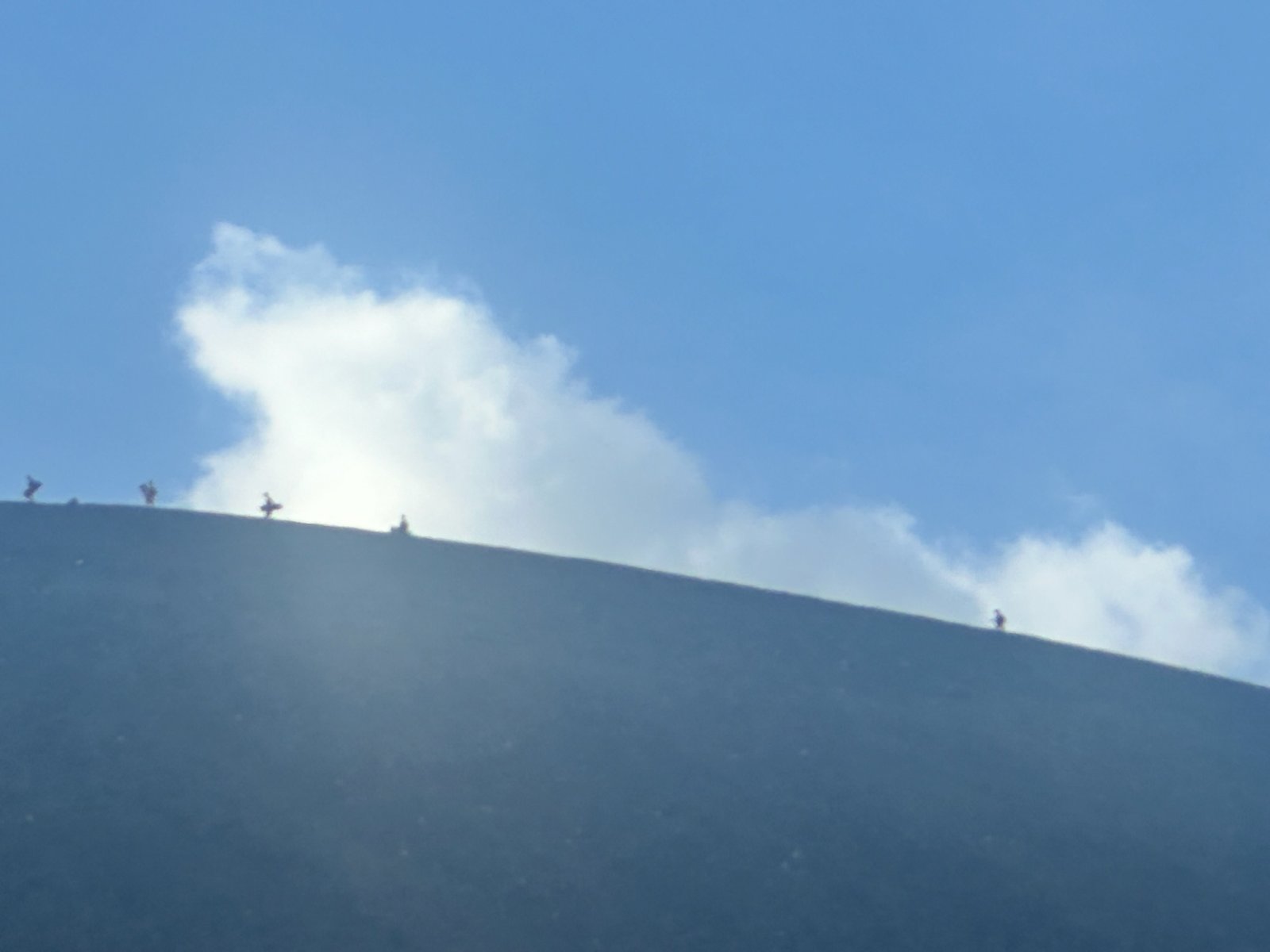
  2. Sunday · after the rooms are ready A climb at Cerro Negro, Reserva Natural Complejo Volcánico Pilas–El Hoyo. Ash underfoot, boards on shoulders, the week still ahead.
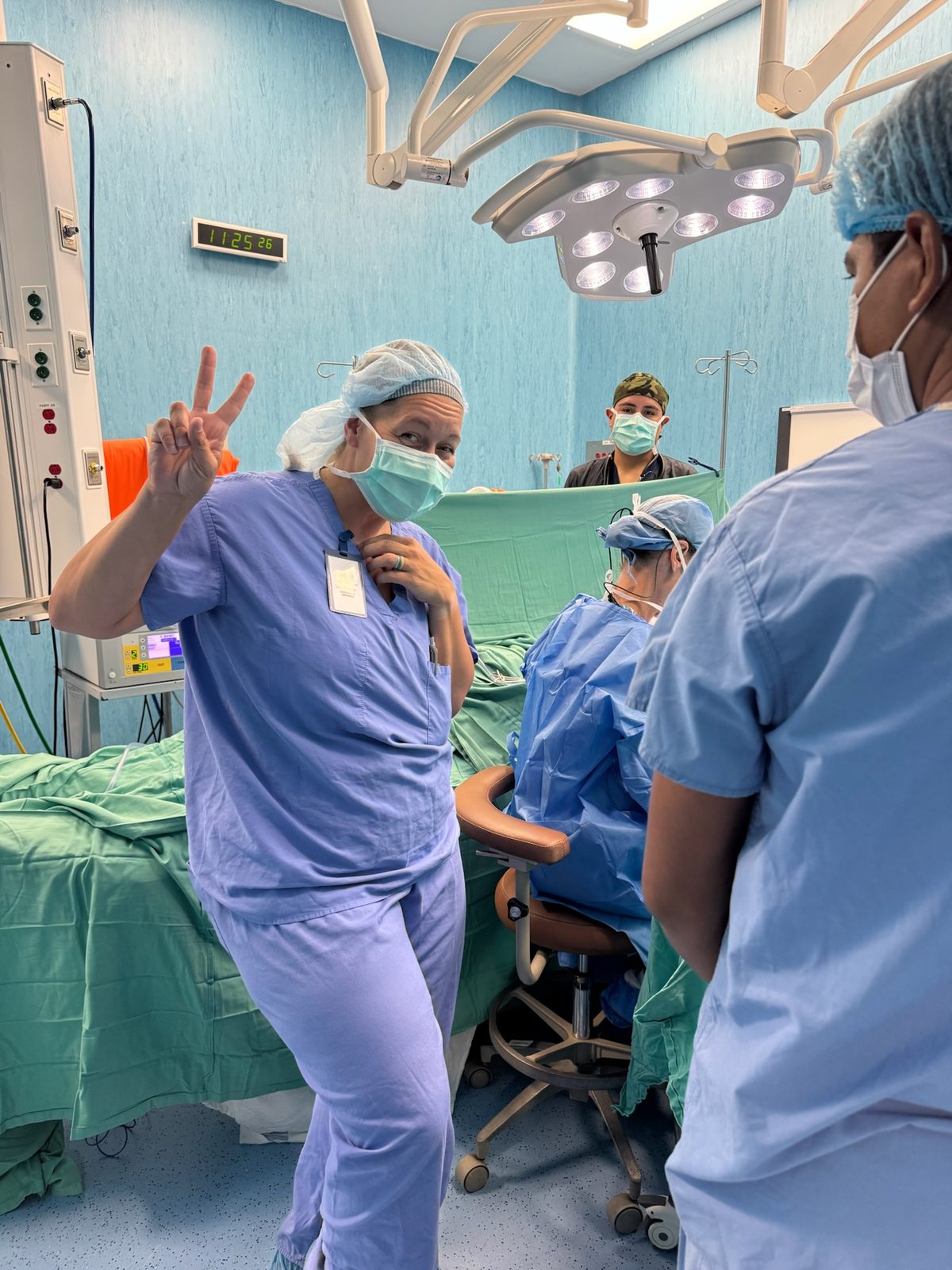
  3. Monday–Friday · operating days We left the compound about 6:30 a.m. after breakfast and worked until the list was done. Evening devotionals under the palapa when we could.
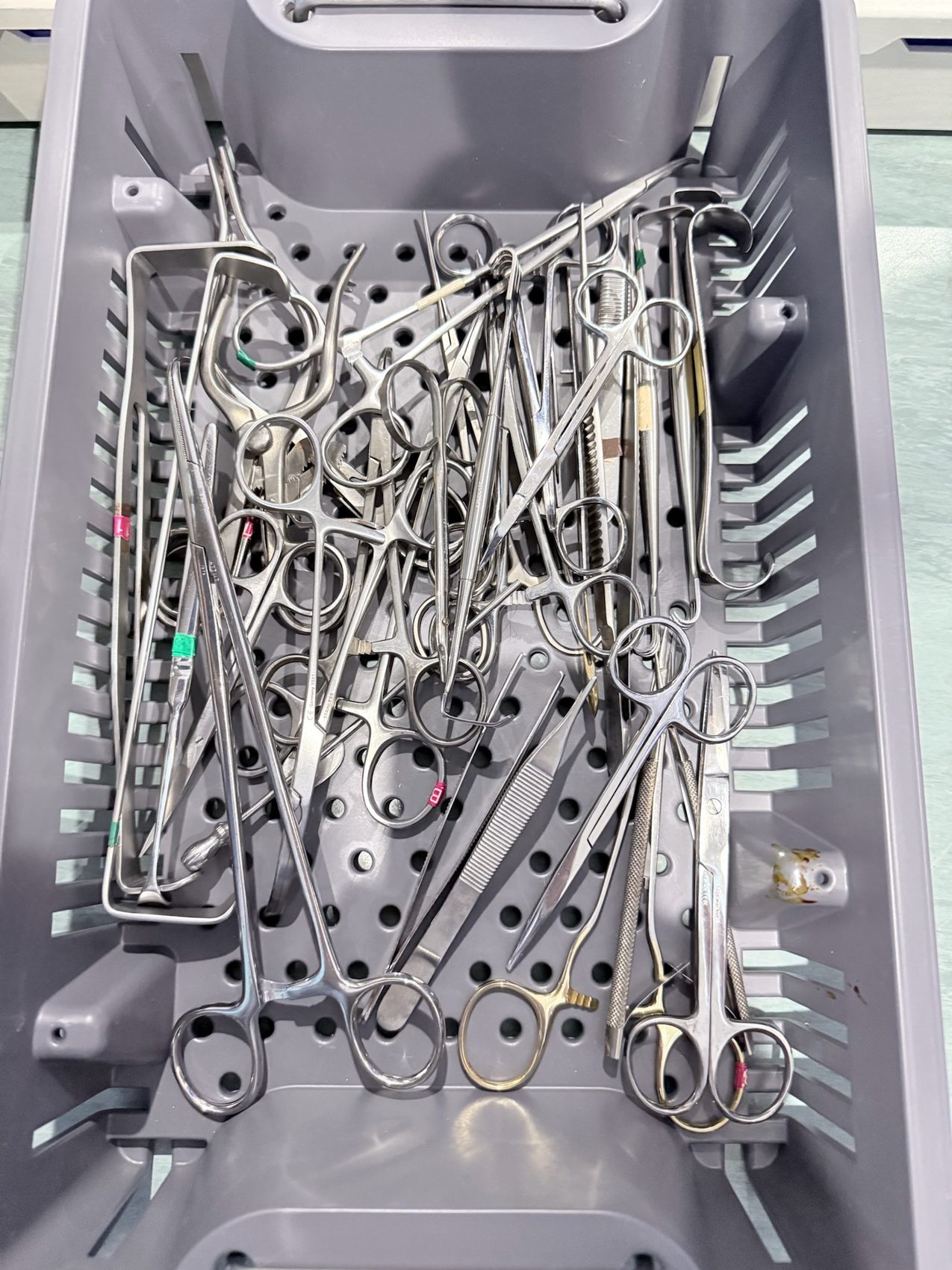
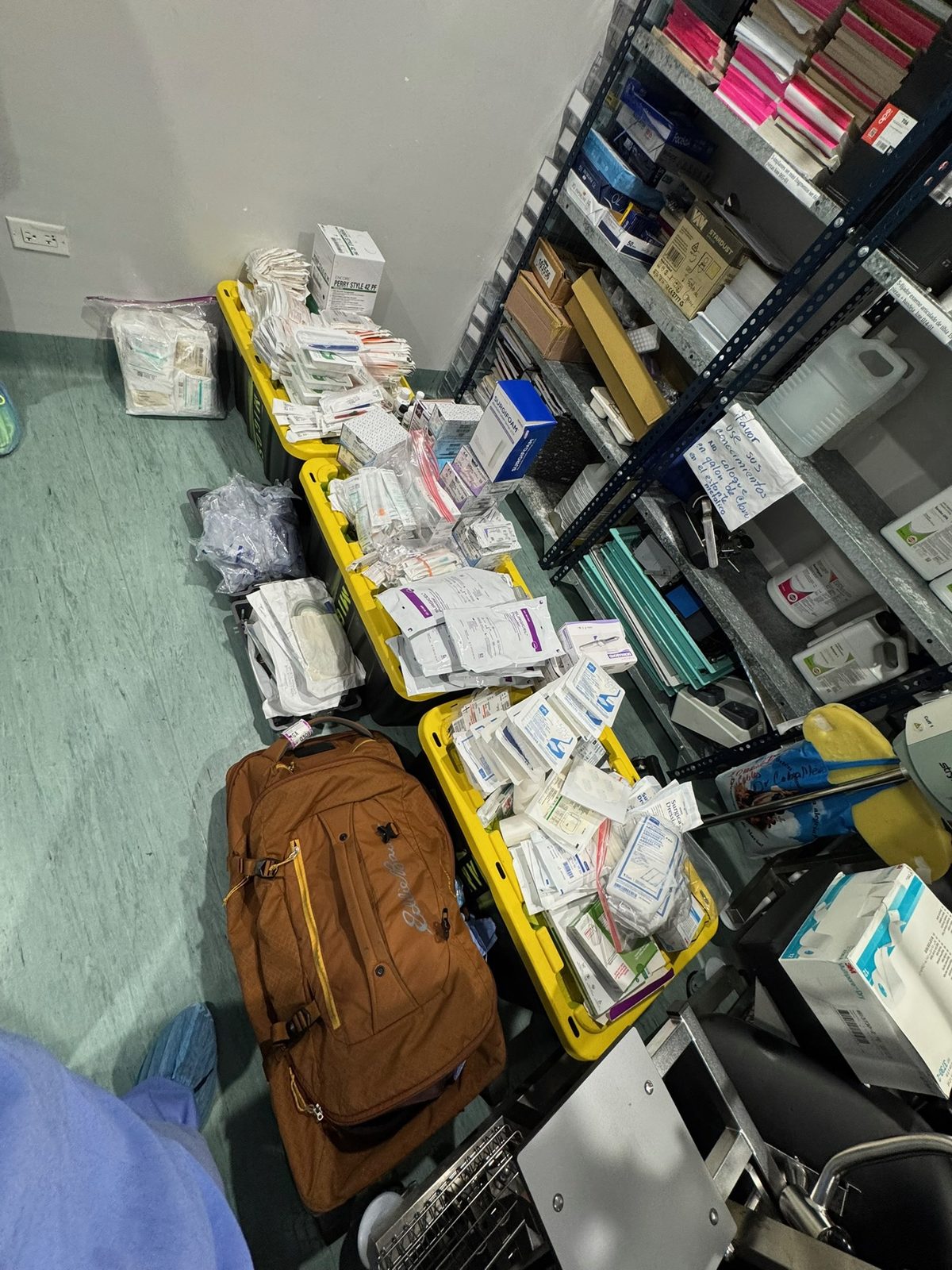
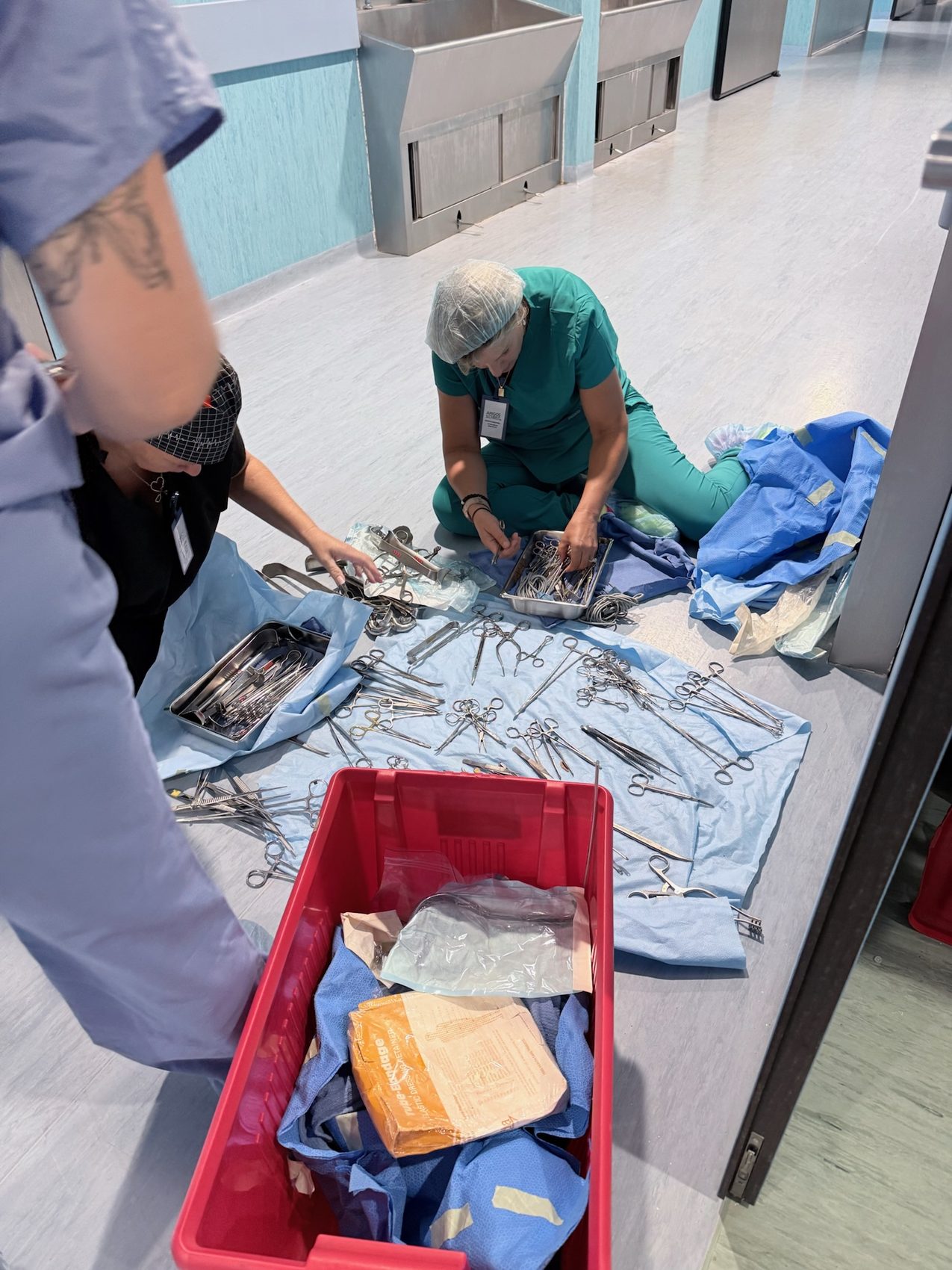
  4. The list, honestly The day-one target was six cases, not eight. We packed supplies with about 24 operations in mind. We created 25.
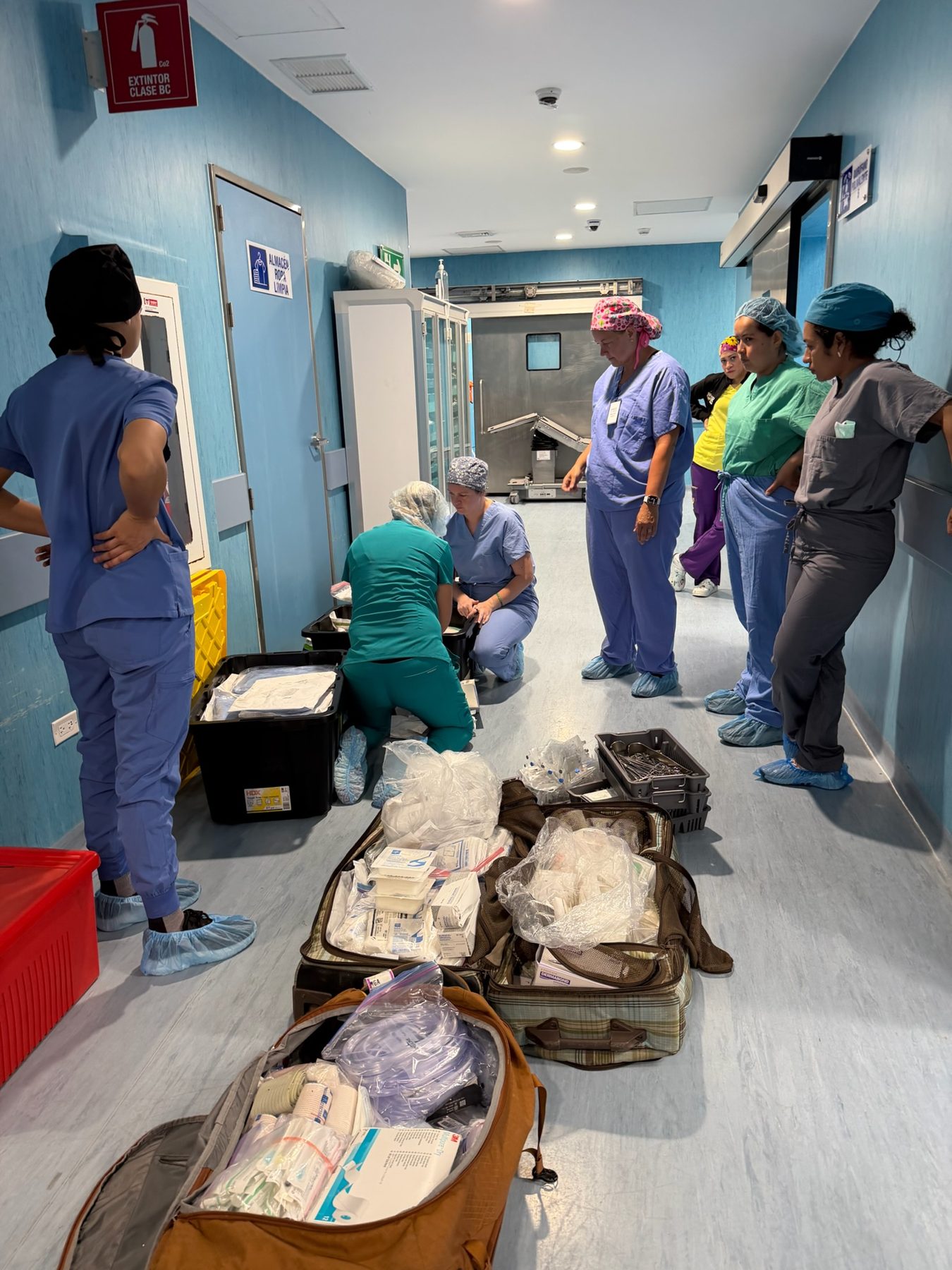
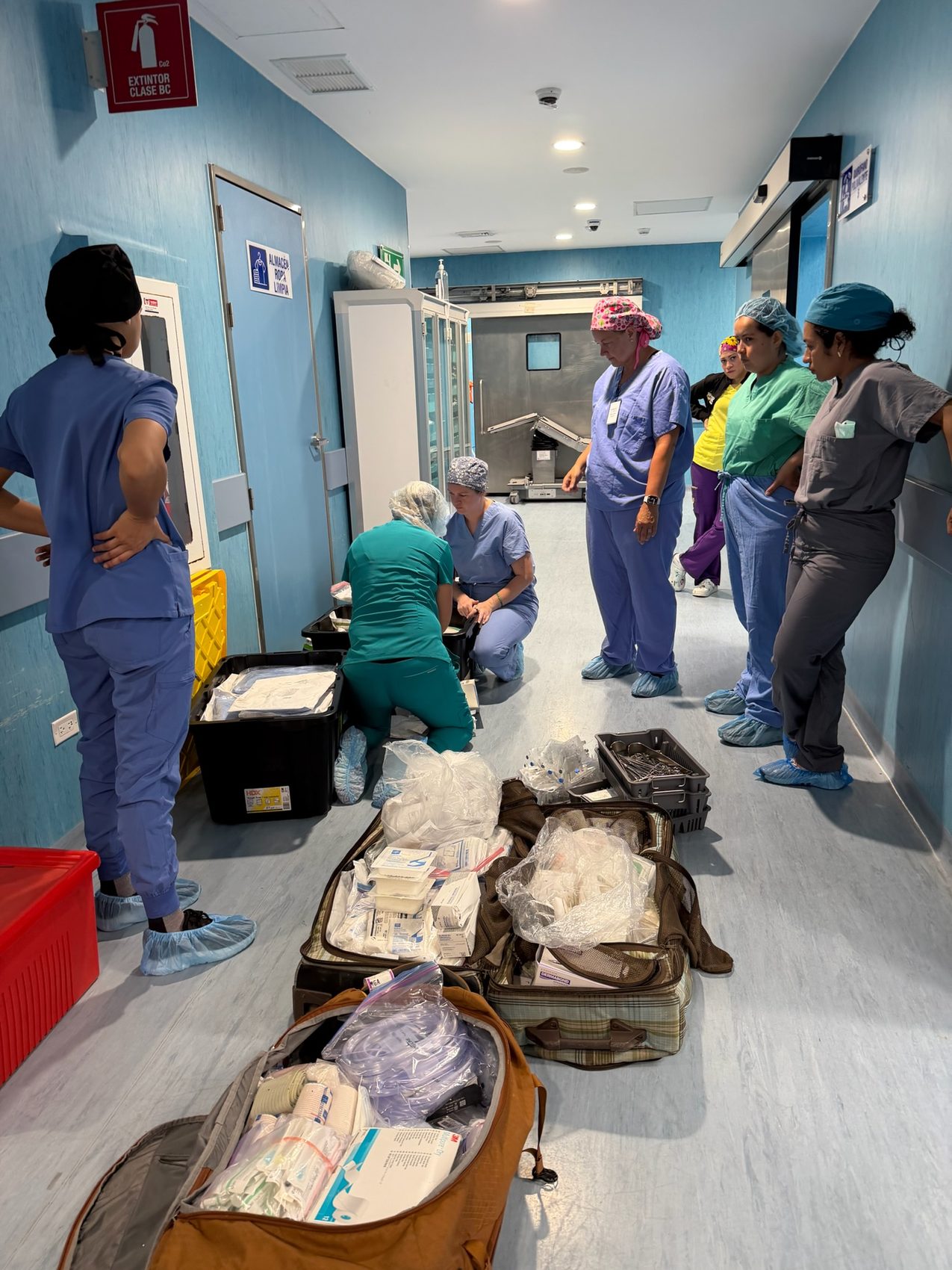
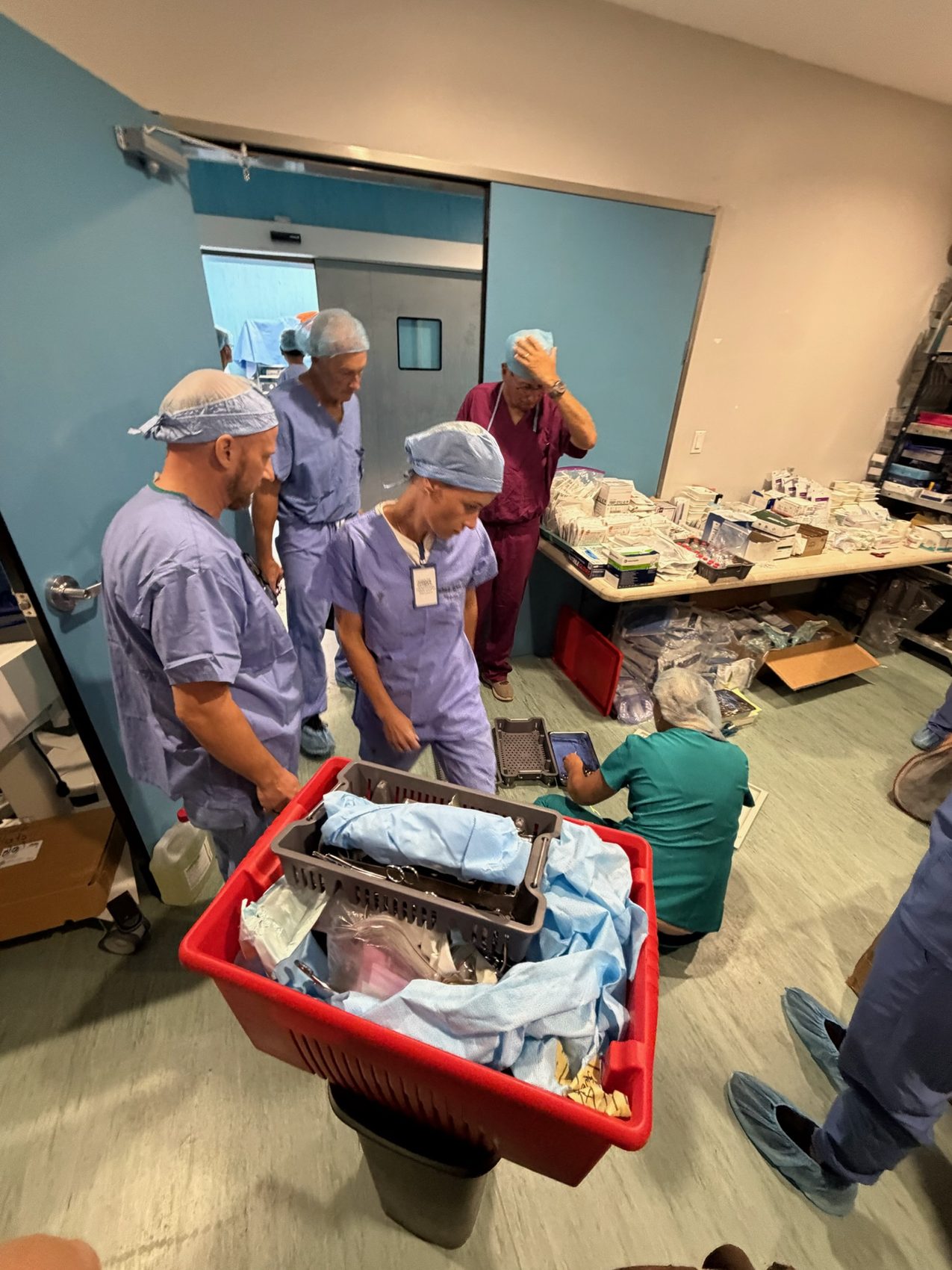
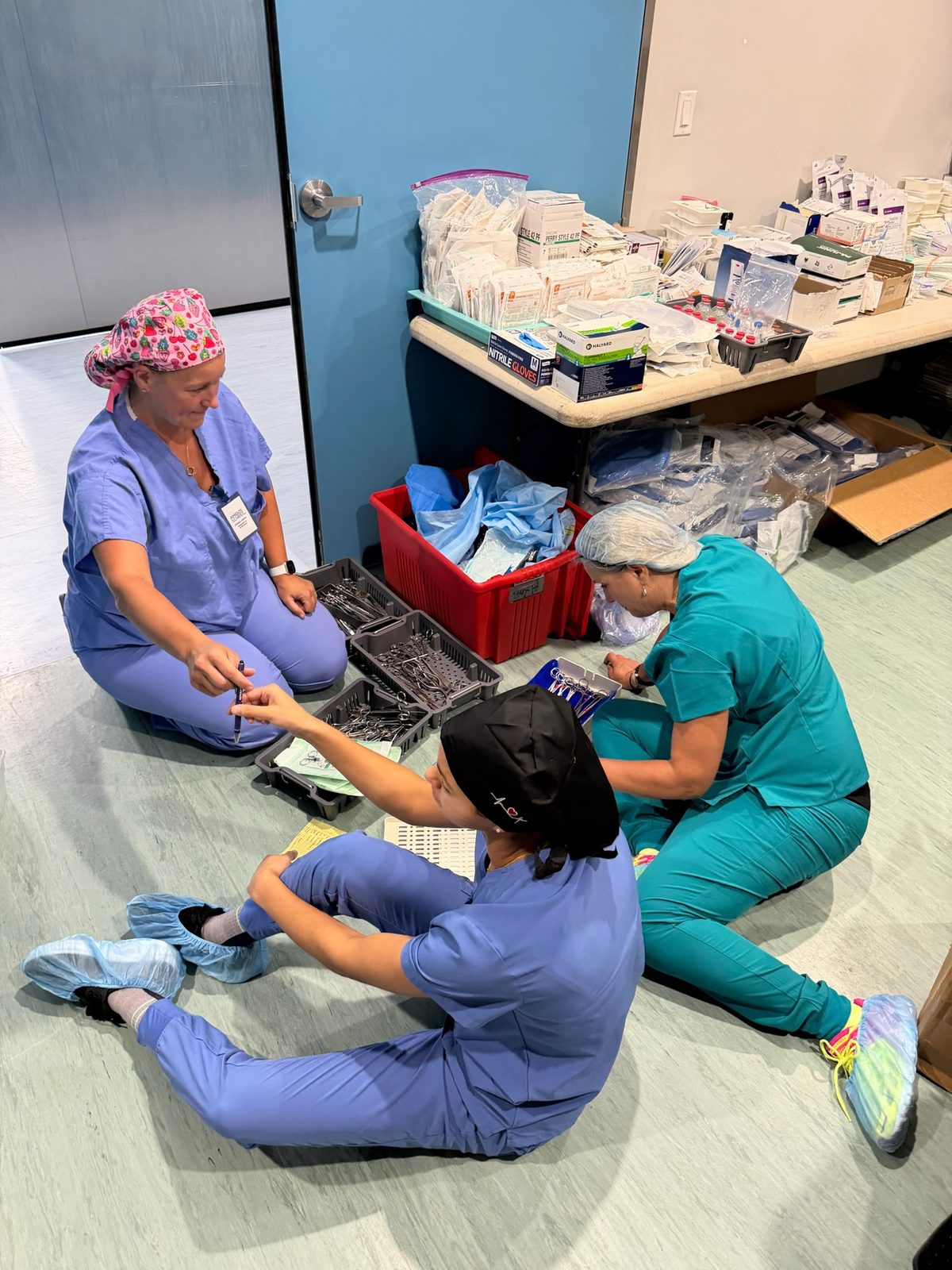
Team sorting surgical instruments and supplies from suitcases in a hospital hallway marked ALMACEN ROPA LIMPIA
Sorting instruments and sterile supplies from suitcases in the hospital hallway — ALMACÉN ROPA LIMPIA — before the first cases.

09

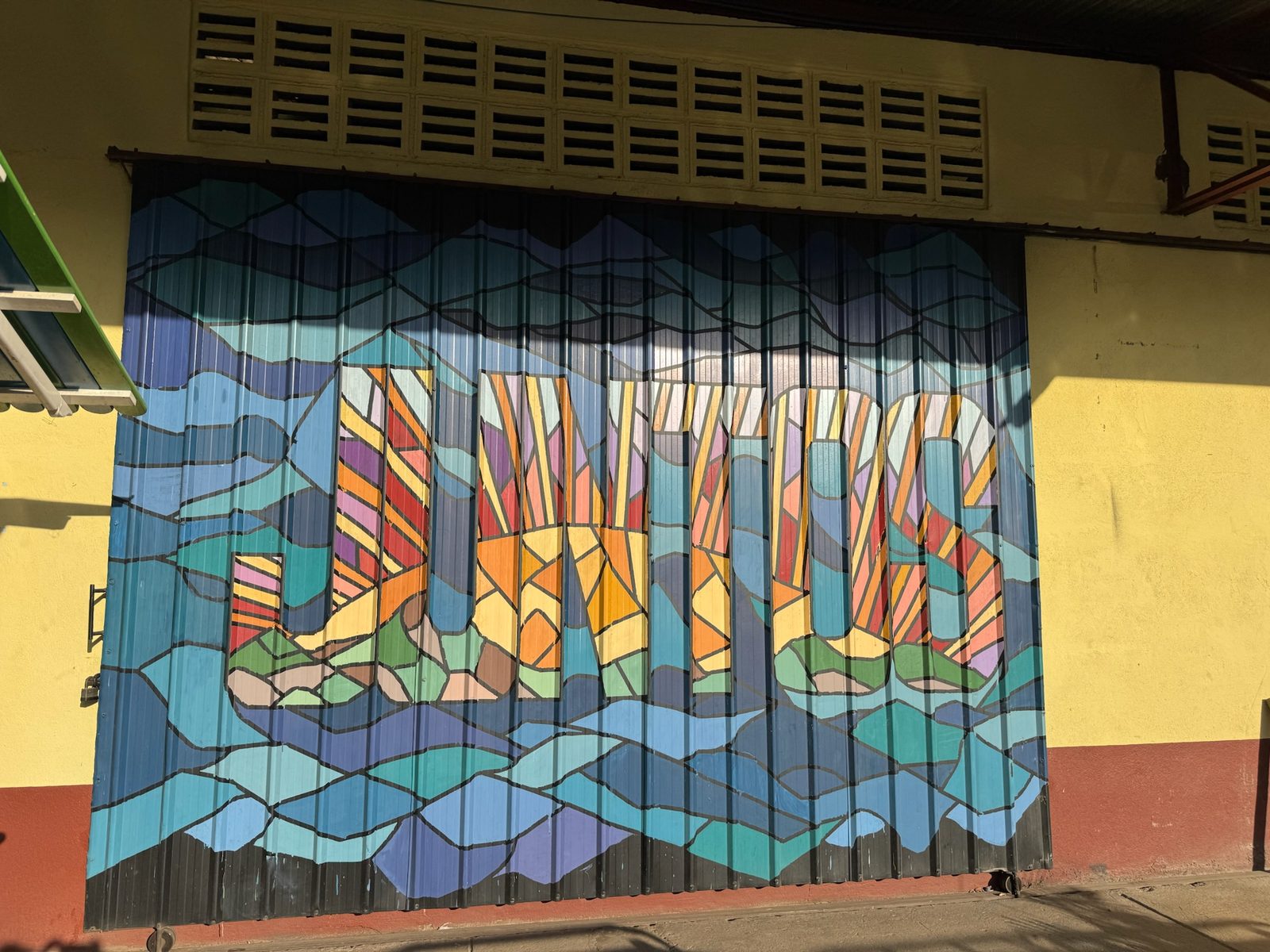
The team, juntos

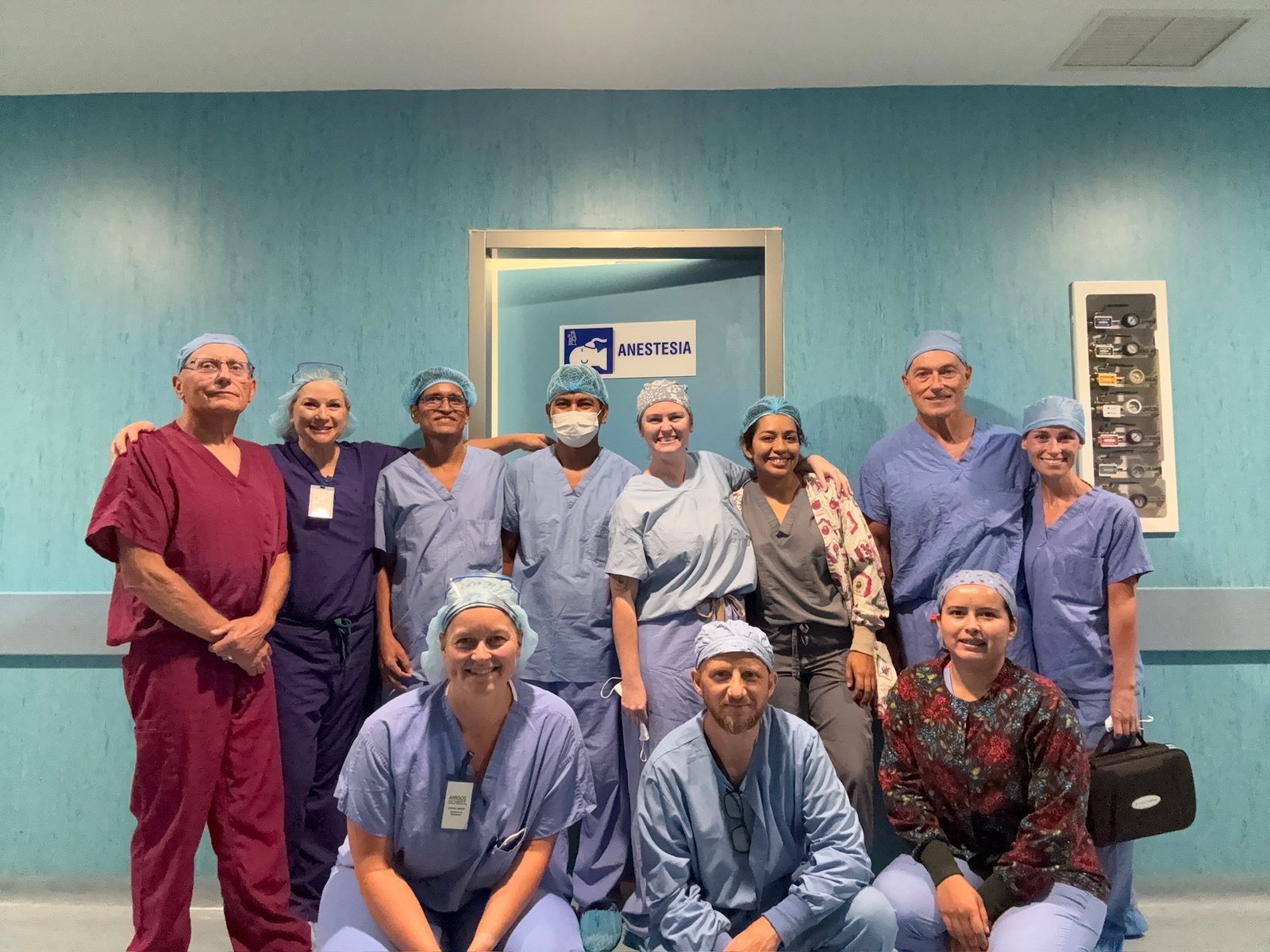
These are the names from the brigade authorization and from the rooms. Nicaraguan hospital staff worked alongside us every day. Not all of their names are on the traveler list, and they are not a footnote.

  • Nicholas Peter Maxwell General surgeon. Operates.
  • Margaret Eileen Gallagher General surgeon. Operates.
  • Thomas James Gallagher Obstetrics & gynecology. Extra hands; not the primary AVF surgeon unless asked.
  • Jared E. Boyd Anesthesiologist. Brachial-plexus blocks.
  • Christa Leah Maxwell Nursing. OR, packs, instruments.
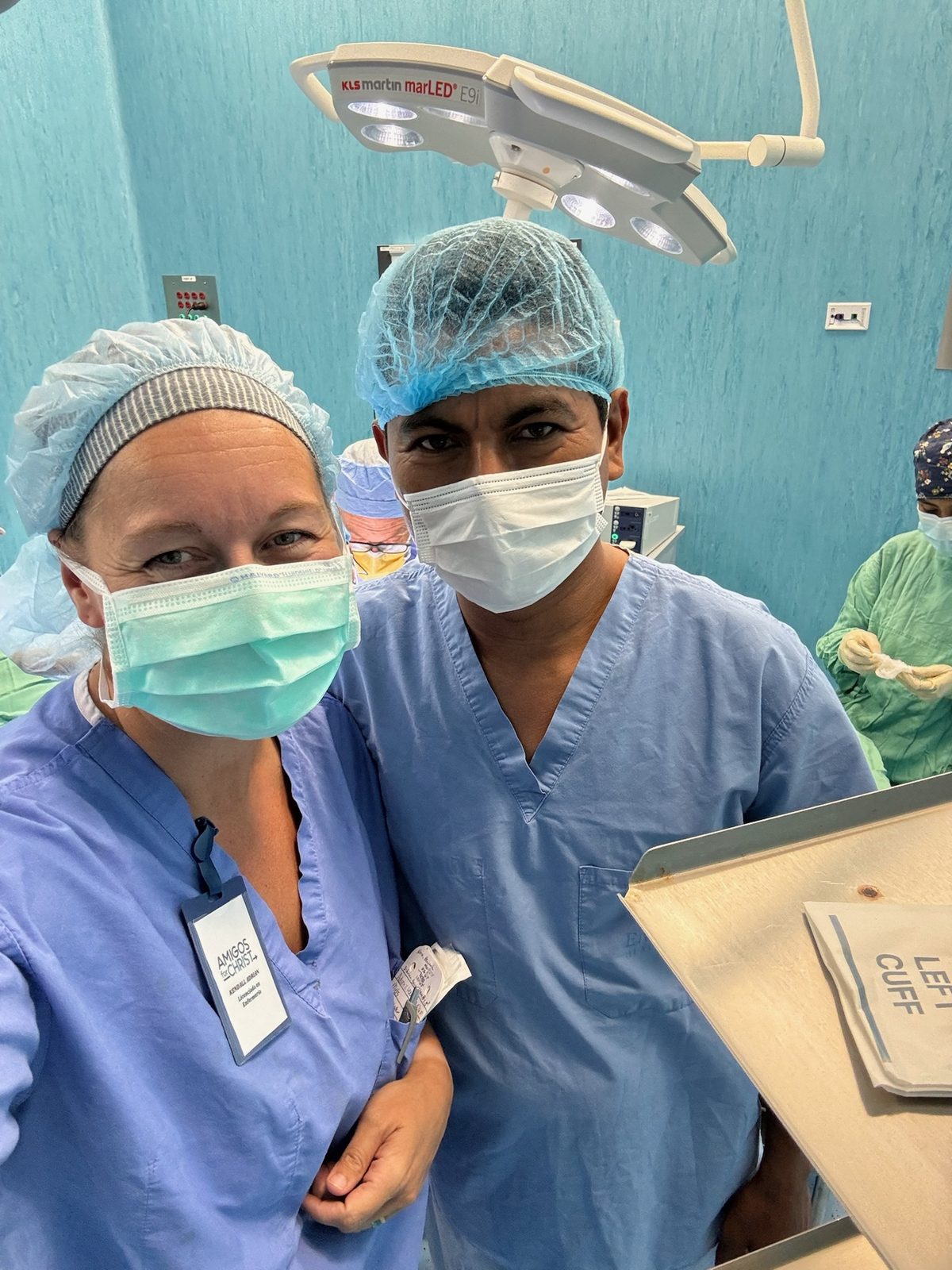
  • Kendall Clare Adrian, RN BSN Board and flow; Spanish.
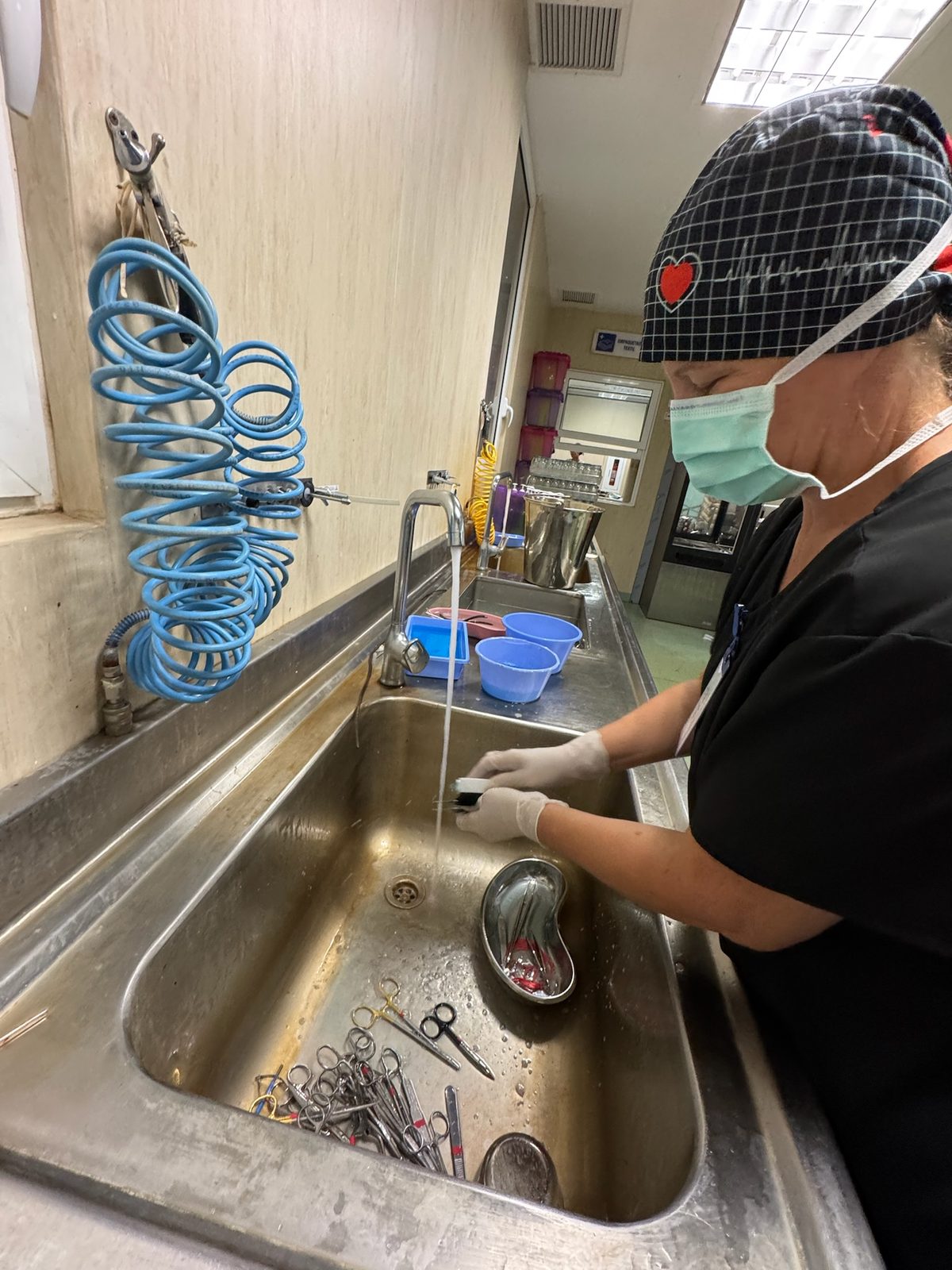
  • Morgan Michele Solomon Nurse. Circulating, cleaning instruments, and logistics.
  • Colleen Weston Board-certified infectious disease physician. Circulating, cleaning instruments, and logistics.
  • Crystal Dawn Mitchell Hemodialysis technician. Circulating, cleaning instruments, and logistics.
  • Andrew Rebock Non-medical. Field work bringing water to Nicaraguan communities.
  • Maggie Dunne, RN U.S. on-ground coordinator.
  • Lic. Reyna María Silva Cabrera Local coordinator, Chinandega.
  • Tessa Sulimirski U.S. Director of Missions, Buford office.

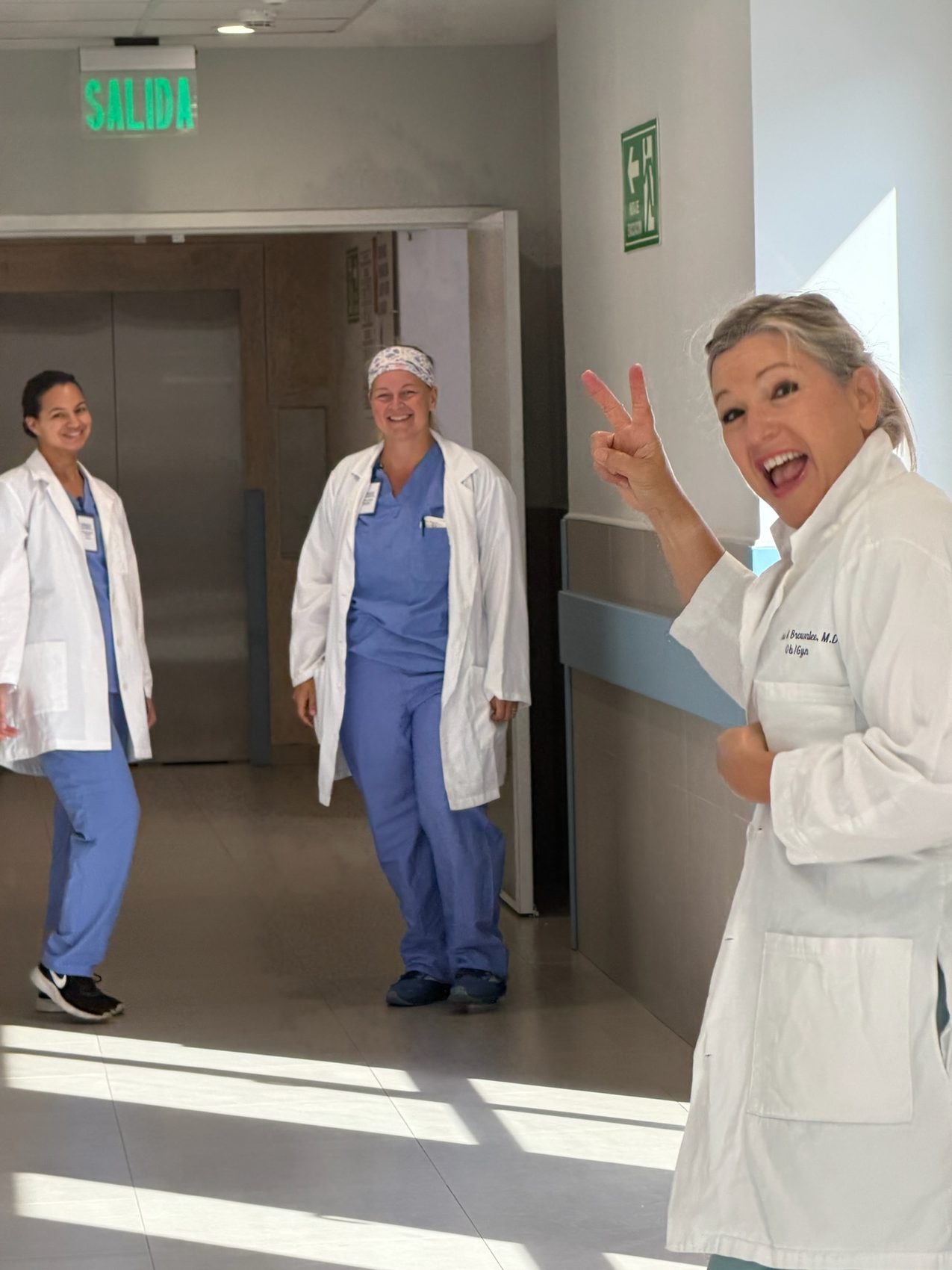
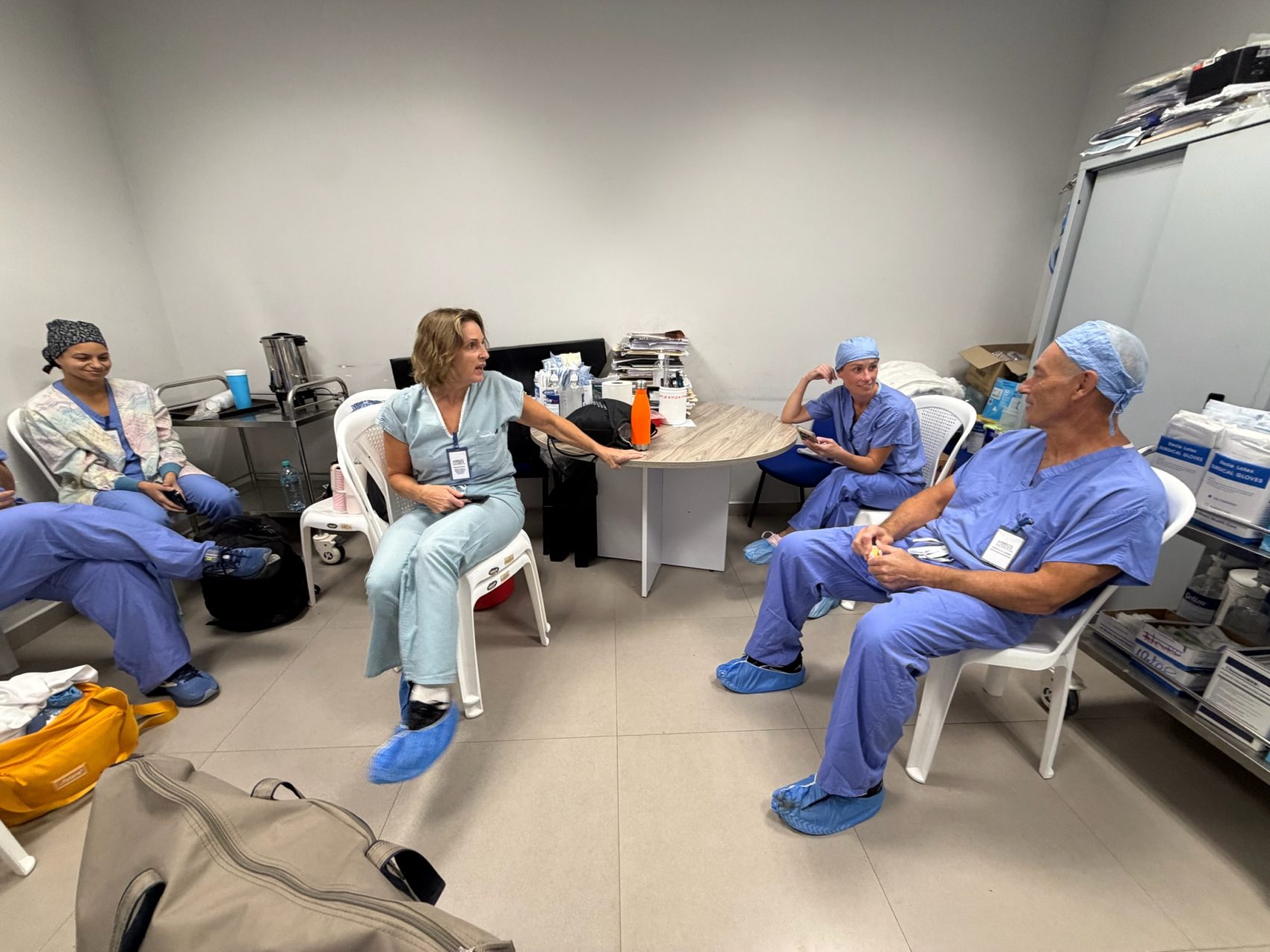
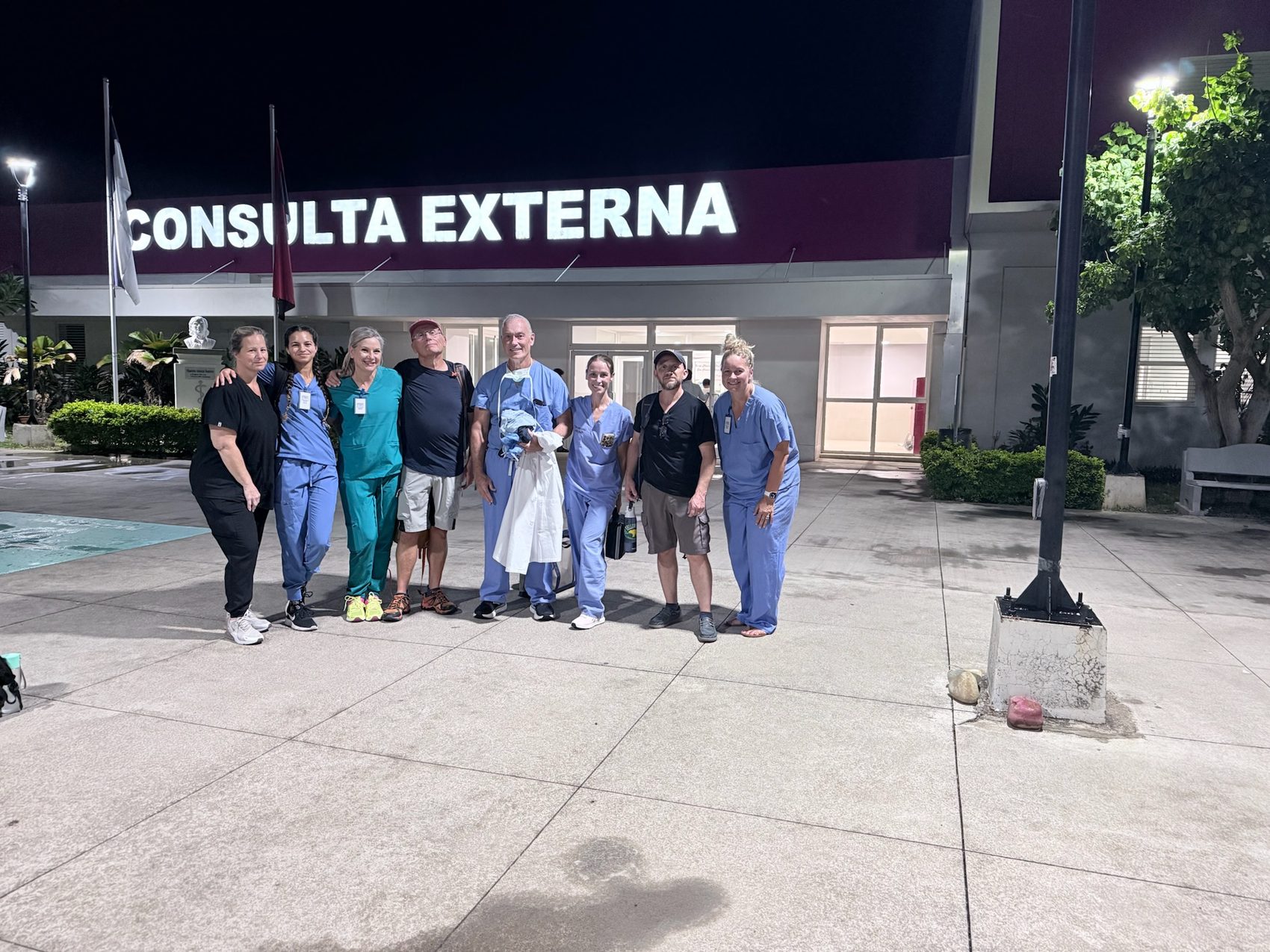
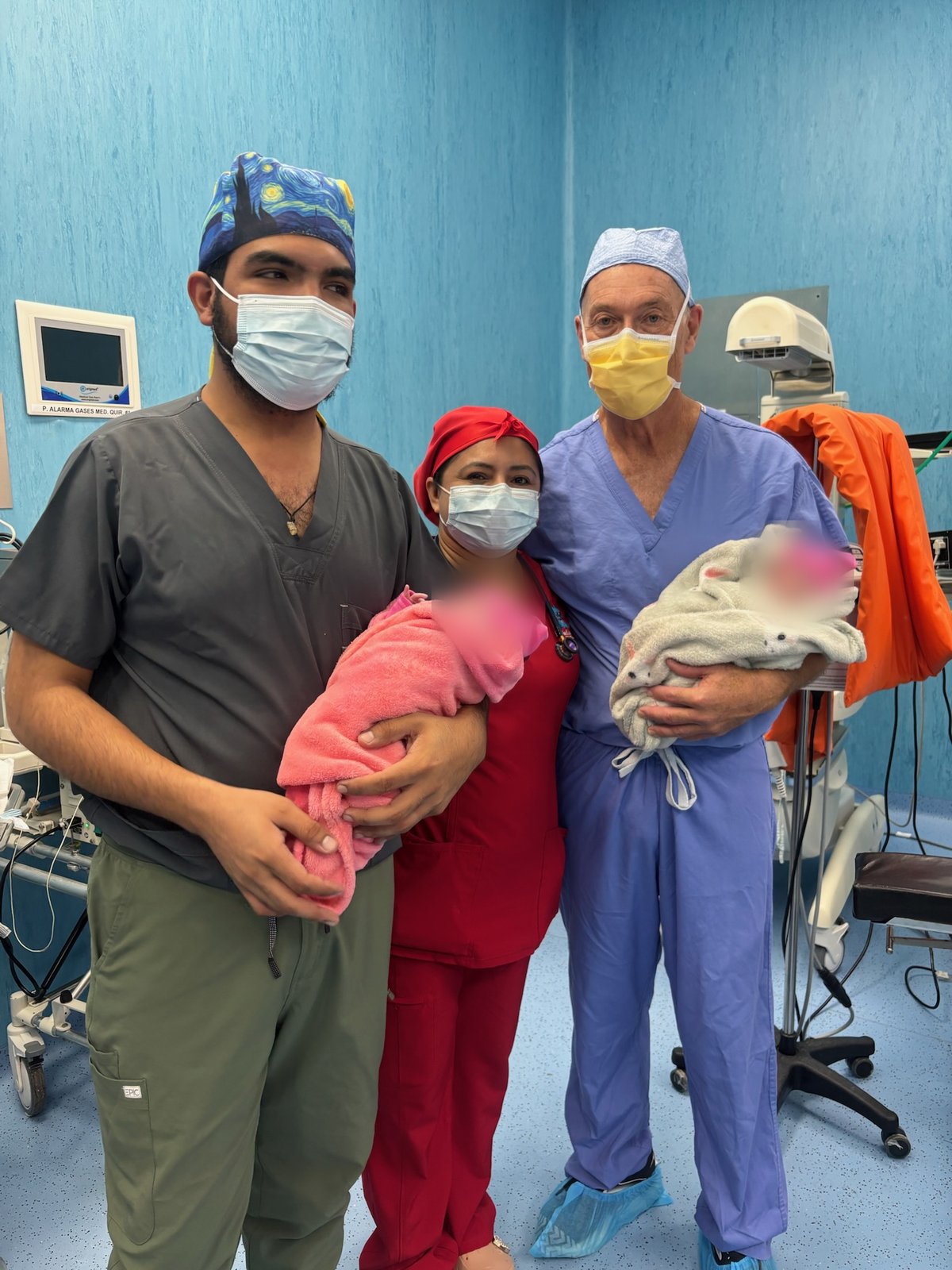
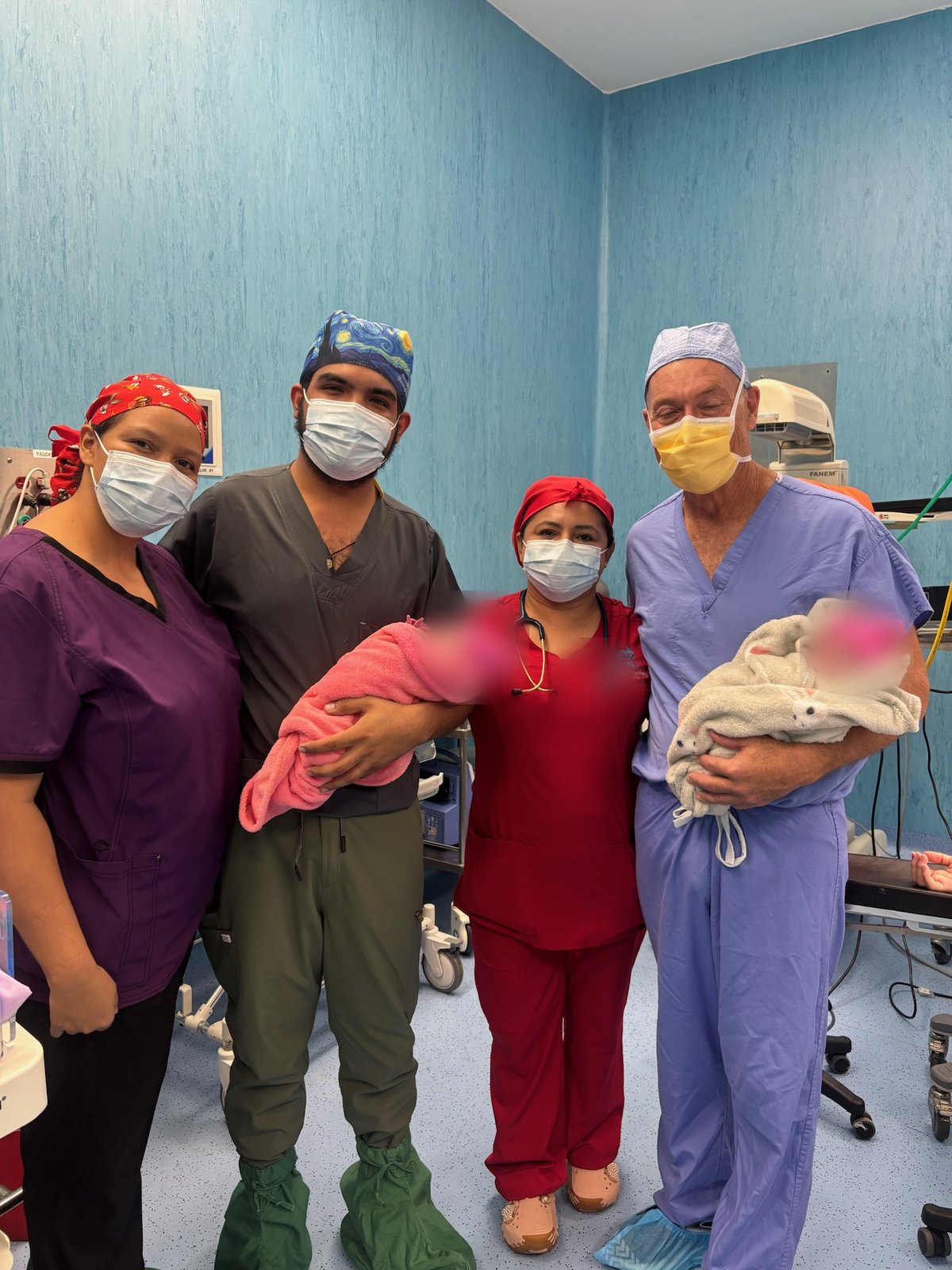
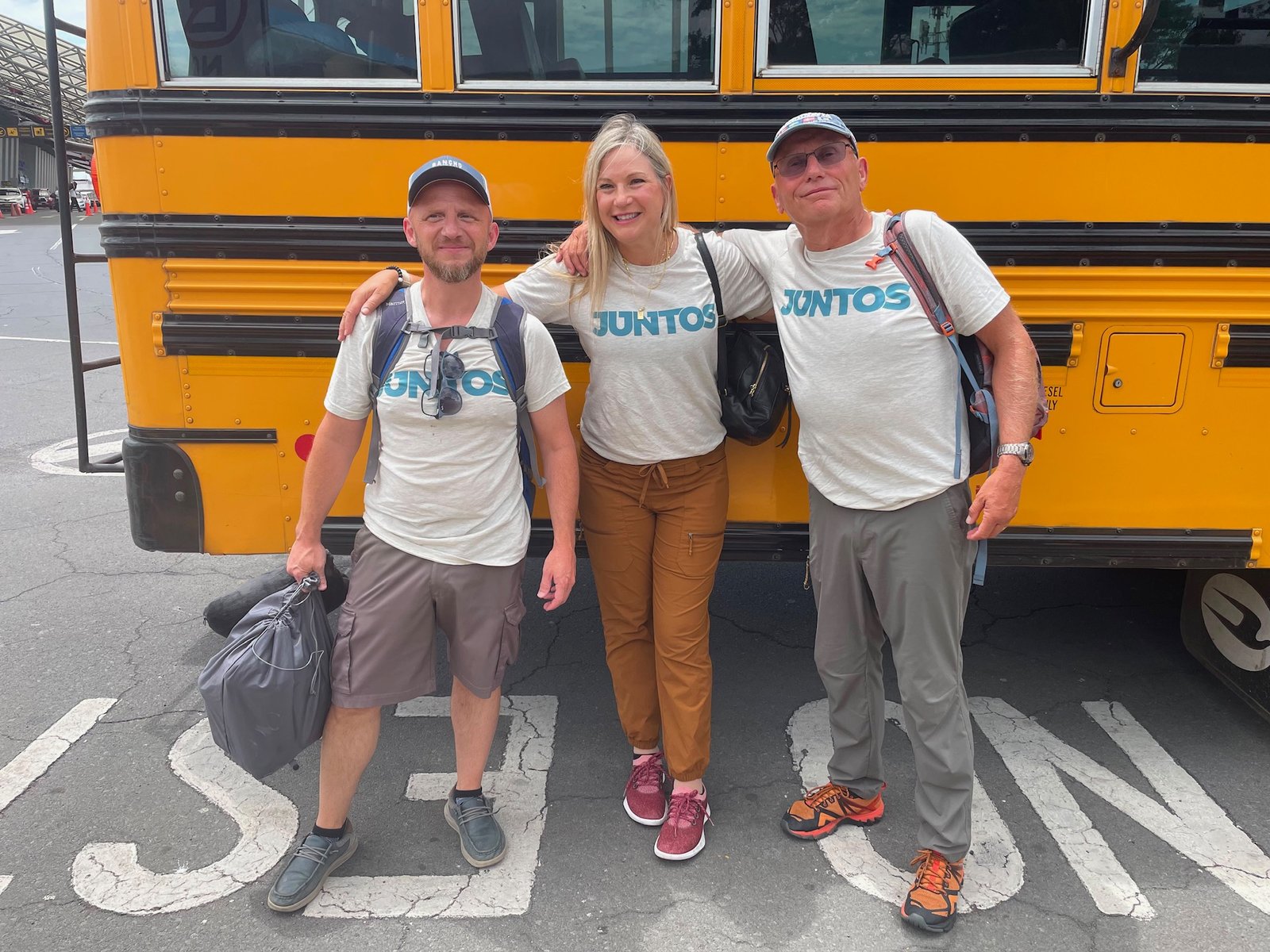
Juntos. We sat next to Nicaraguan surgeons, circulators, and scrub techs in the same corridor. The week only works that way.

10

In the news

On 31 August 2026, Nicaraguan media covered the week: a medical brigade from Georgia, United States, working with Nicaraguan health professionals at Hospital Dr. Mauricio Abdalah in Chinandega. Co-President Rosario Murillo announced the visit. Canal 6 and Radio La Primerísima both reported on it.

Amigos for Christ, based in Buford, Georgia, has hosted medical brigades in Chinandega for years. This week we and our Nicaraguan colleagues created arteriovenous fistulas so people on hemodialysis can use their own vessel instead of a neck catheter.

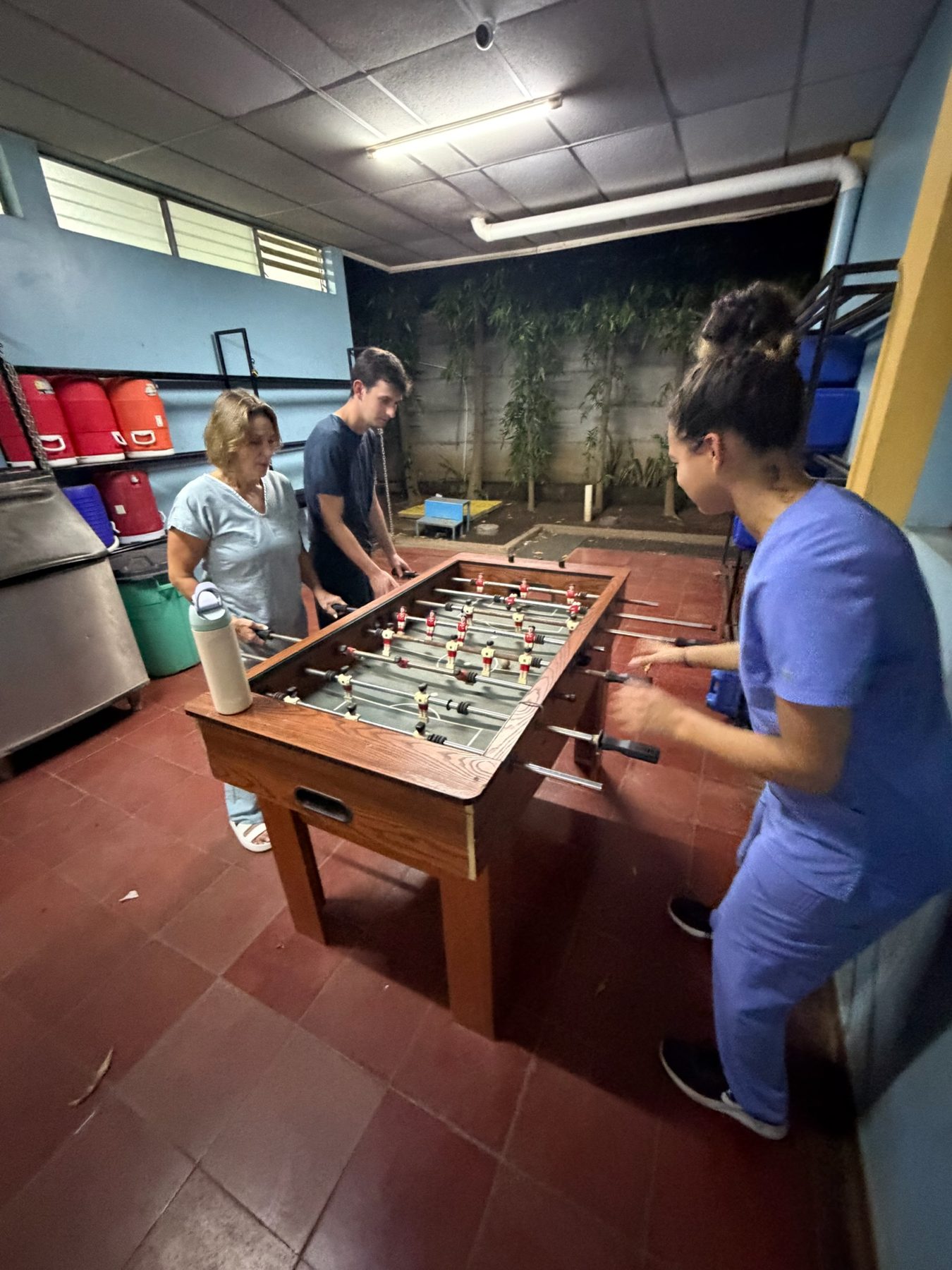
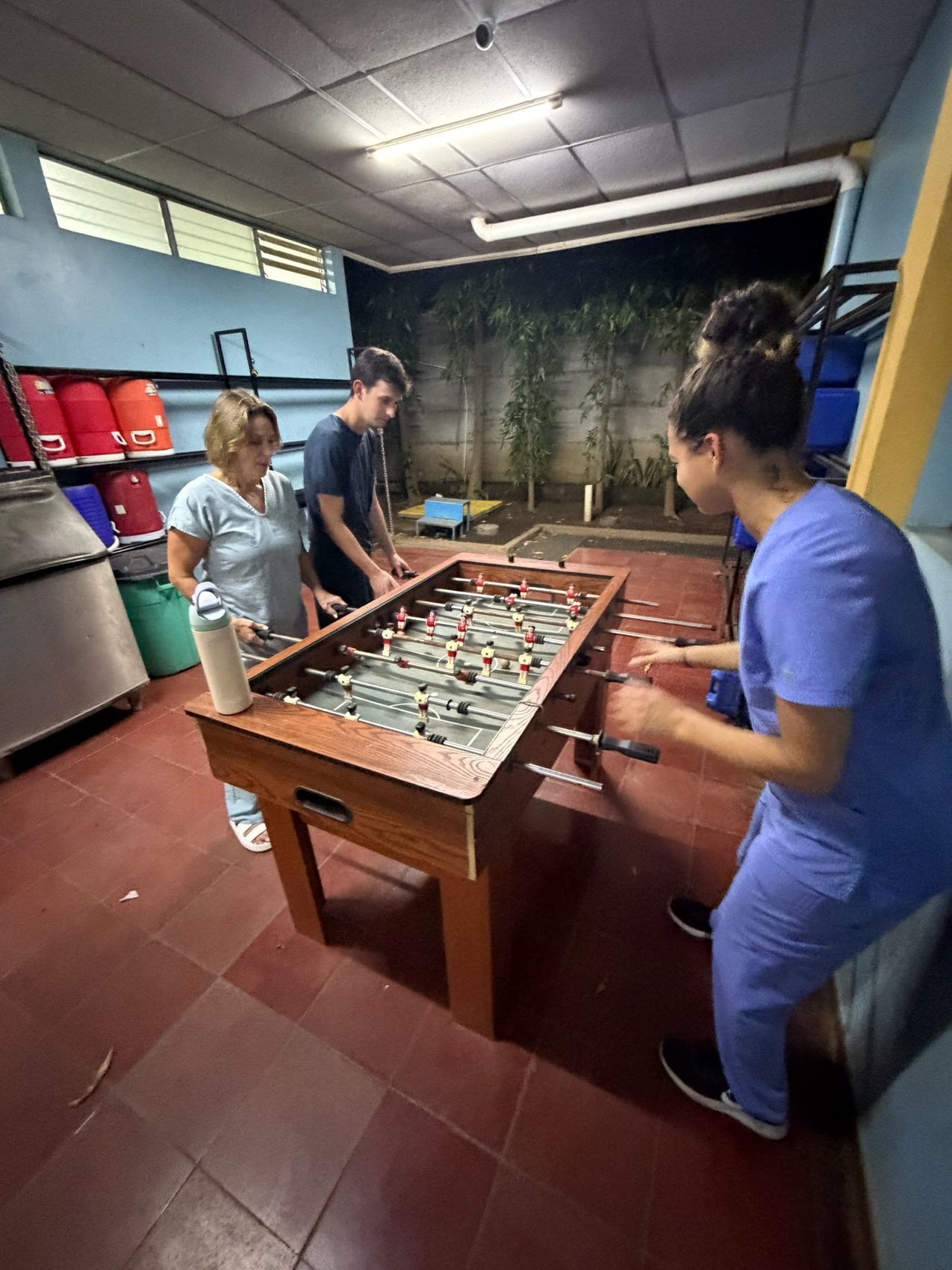
Team playing foosball at the compound, some still in scrubs
After the rooms: a foosball table at the compound, some still in scrubs.

End of the 2026 mission.
Partners & thanks

The people who make it possible

FAVNica works through a host organization, a public hospital, and Nicaragua’s Ministry of Health, with a lot of help from home.

11

Amigos for Christ

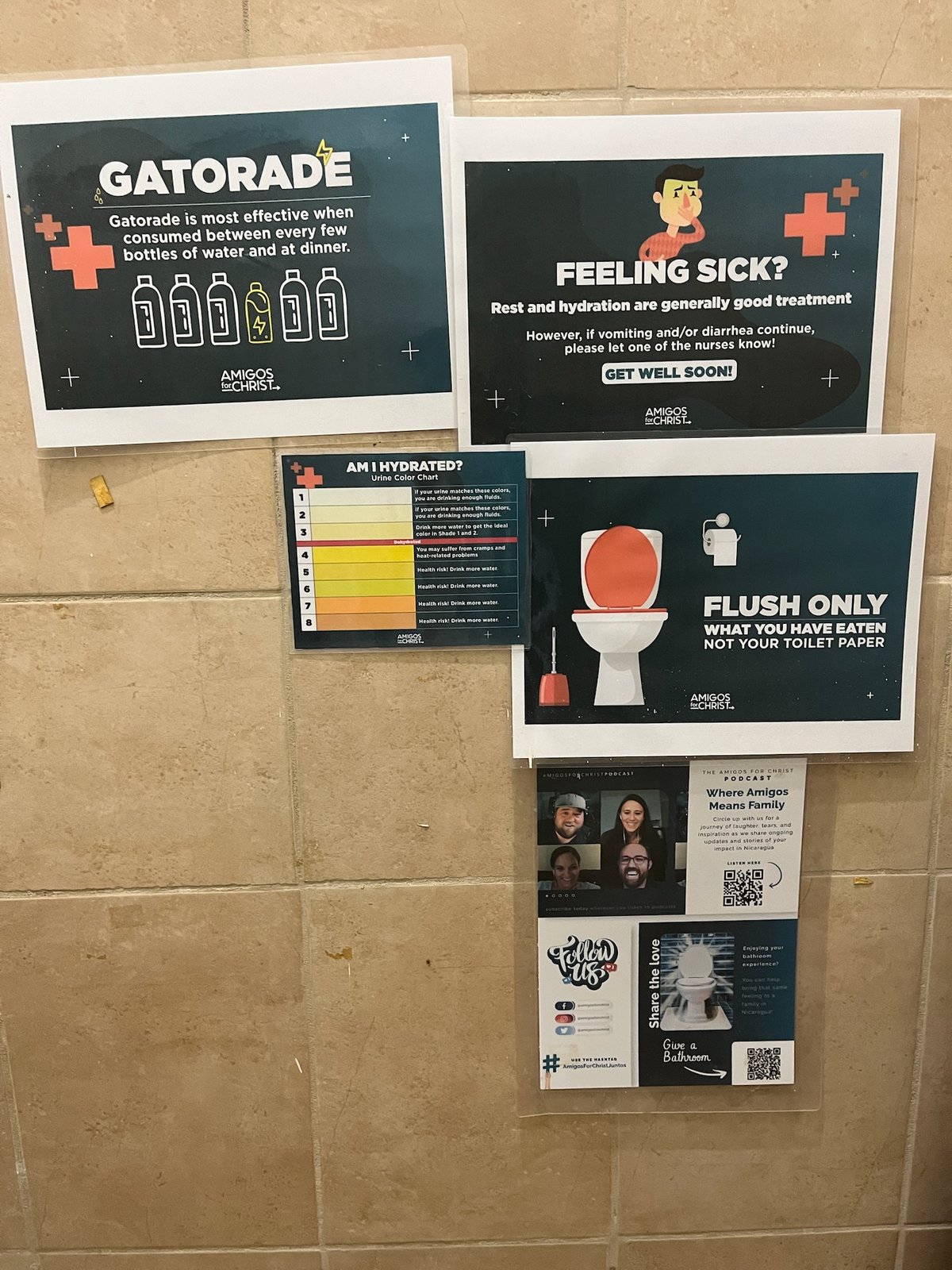
Amigos for Christ is a Christ-centered nonprofit based in Buford, Georgia. The work in Chinandega began after a 1997 visit, then a 1999 housing trip after Hurricane Mitch. The organization was formed that June as an independent charity.

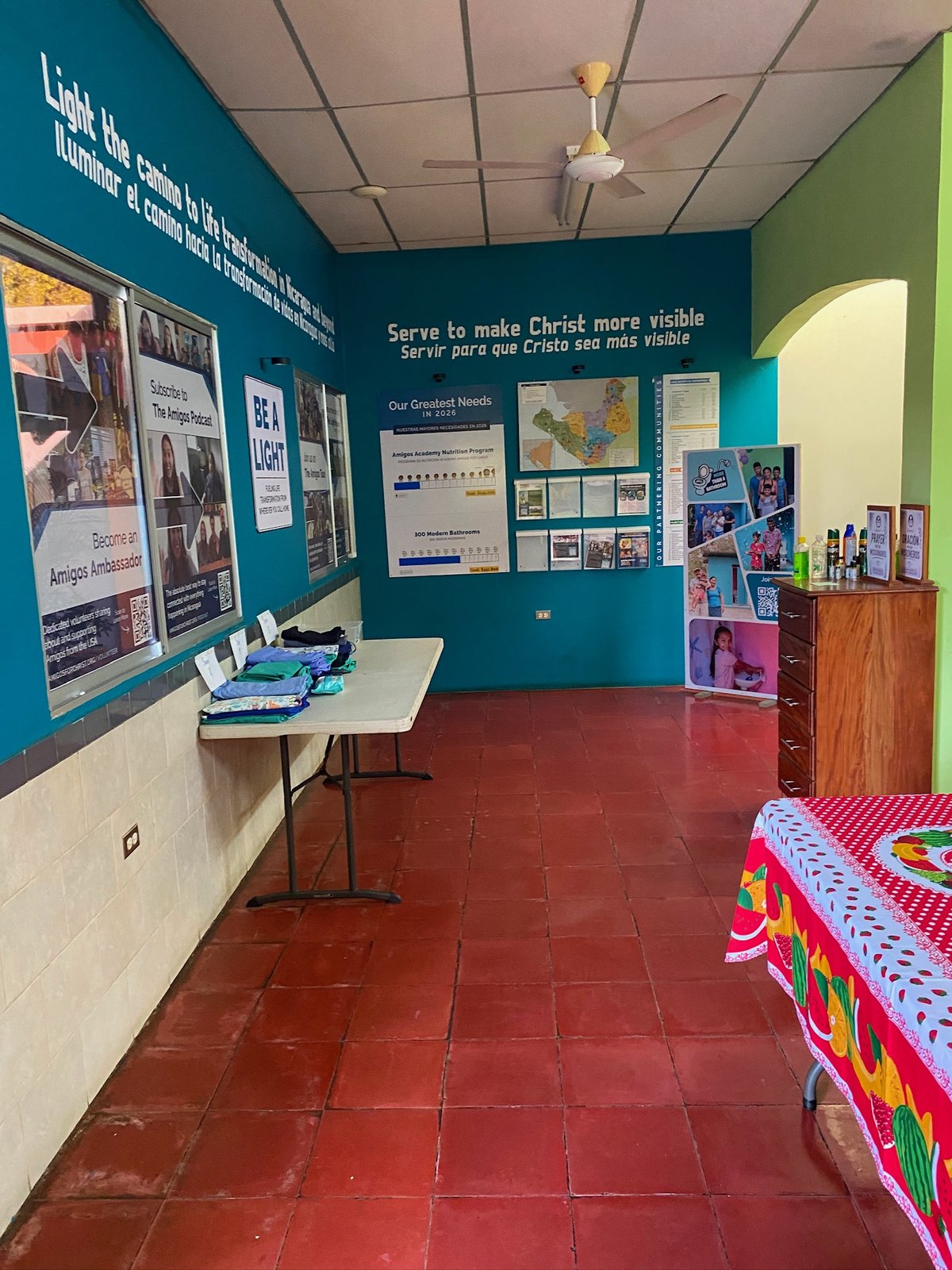
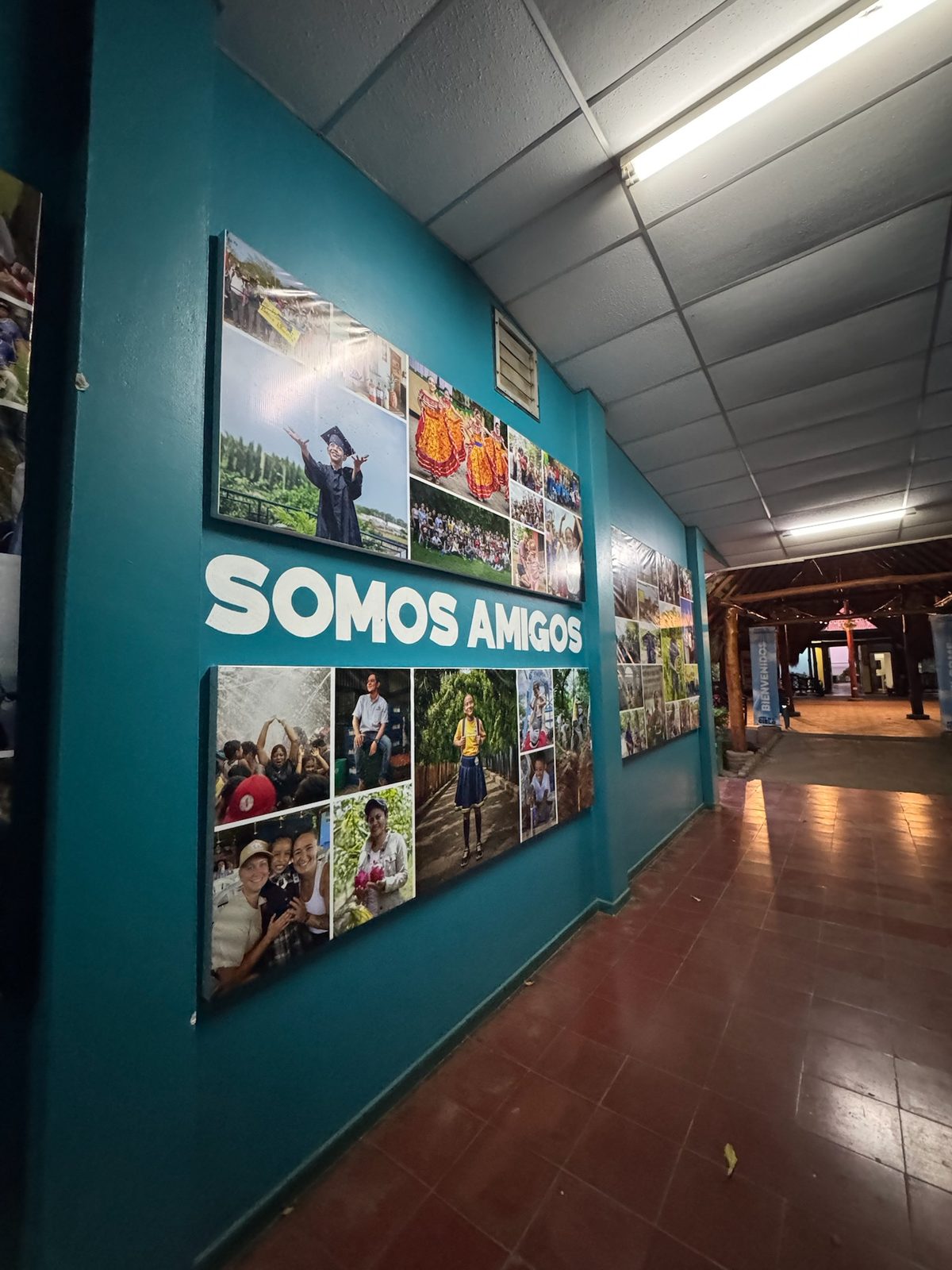
They work in rural communities around Chinandega: clean water, health and sanitation, housing, education, and economic development. Visiting teams stay at the Amigos Complex (meals in the comedor, evenings under the palapa), and surgical teams operate in local hospitals alongside Nicaraguan colleagues, in partnership with MINSA.

amigosforchrist.org

12

The hospital and MINSA

Hospital Dr. Mauricio Abdalah is Chinandega’s departmental public hospital. It belongs to MINSA, the Ministerio de Salud de Nicaragua, and it is where we operated.

It opened in 2022 to serve families across the department of Chinandega, in western Nicaragua. Emergency care, outpatient consultation, hospitalization, surgery, hemodialysis: the usual work of a departmental public hospital.

MINSA is Nicaragua’s ministry of health. It runs the public hospital network and health centers, and it authorizes visiting medical brigades that work alongside Nicaraguan professionals. Care in the public hospitals is free for the patient.

minsa.gob.ni

13

Nicaraguan colleagues and residents

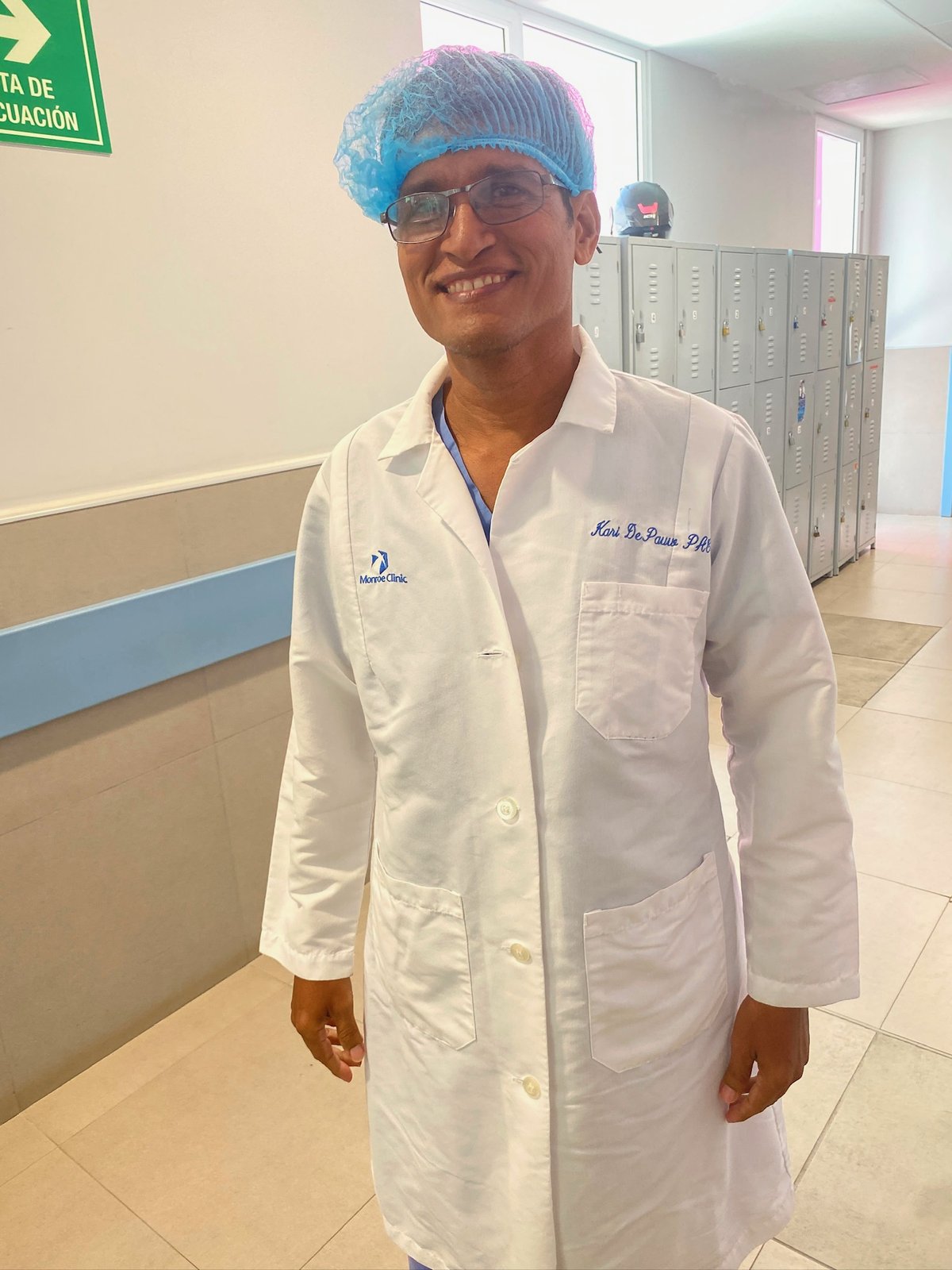
Nicaraguan surgeons, circulators, scrub techs, and residents worked in the same rooms with us every day. Dr. Tellez and Dr. Martinez, anesthesia and general surgery residents, were super helpful in getting the cases done. Teaching the operation to Nicaraguan colleagues is part of why FAVNica exists.

14

Special thanks

A very special thanks to our patients, who put their lives and their trust in strangers.

A week like this only happens because other people open doors, pack boxes, and keep things running at home. Thank you to all of them.

Get involved

Join the next team

The next mission is possibly fall 2027; dates are not set. We are building the team now. These are the roles we need.

  • Surgeons

    General or vascular surgeons experienced in AV fistula creation, radiocephalic and upper-arm. You operate shoulder to shoulder with Nicaraguan surgeons and help teach the operation.
  • Anesthesia

    Anesthesiologists and nurse anesthetists comfortable with ultrasound-guided brachial-plexus blocks. Most cases are done awake with a block and local anesthetic.

  • Nurses

    OR and circulating nurses to run the rooms: timeouts, packs, instrument cleaning and sterile flow, and recovery. Spanish is a big plus.

  • Translators

    Spanish–English interpreters for pre-screening consults, the operating rooms, recovery, and teaching. Medical vocabulary helps, but clear, calm interpreting matters most.

  • Non-medical volunteers

    Packing and hauling supplies, sorting and cleaning instruments, logistics, and community work with Amigos for Christ. Hemodialysis techs and other clinicians are welcome too.

Interested? Email us with your role, experience, and Spanish level. Travel logistics and lodging go through Amigos for Christ.

jeboyd1016@hotmail.com

Supplies & donate

Standing wish list

Every mission runs on what we can carry in. These are the things we always need.
  • Vascular instrument trays for AV fistulas: complete, sterilizable sets that can stay in Chinandega
  • Microvascular forceps, Castroviejo and Potts scissors, fine needle drivers
  • Bulldog clamps and vessel loops
  • 6-0 and 7-0 polypropylene suture
  • Surgical loupes
  • Nerve-block needles for ultrasound-guided blocks
  • Sterile drapes, gowns, and gloves

Please email us before sending any supplies or equipment. Sterile instruments have to be coordinated with Amigos for Christ and MINSA before they travel.

Outcomes

Results will be reported here

Making a fistula is only the first step. It has to mature and then work for dialysis. We will report results from each mission here, such as how many fistulas are working at 12 weeks, once follow-up is complete.

No outcome data has been posted yet.